



The Quantum Leap
A new public-private partnership positions Florida Atlantic to transform research and computer science

In the late 1970s, the computer industry was approaching a turning point. Microprocessors made it possible to pack more computing power into ever-smaller form factors, and startups such as Apple, Tandy, and Commodore began designing products for private use.
Still, computers remained out of reach for the average household.
Then, in 1981, a small team of engineers based in Boca Raton, Fla., took the technology mainstream. Their product, the IBM PC, was an instant success, generating $1 billion in its first year on the market. It proved that personal computing was practical and attainable; the industry would never be the same.
Today, Boca Raton once again finds itself at the center of a technological paradigm shift.
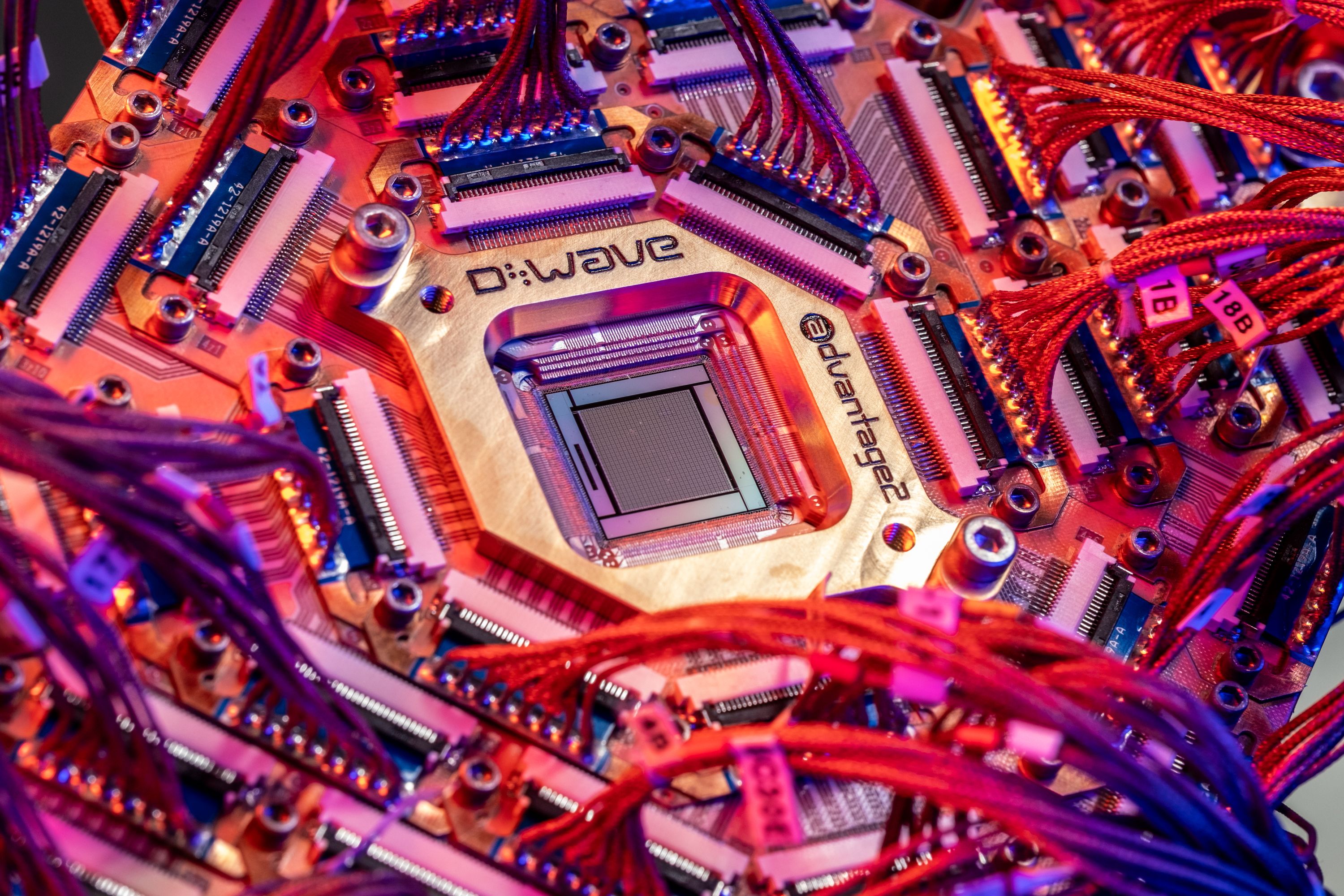
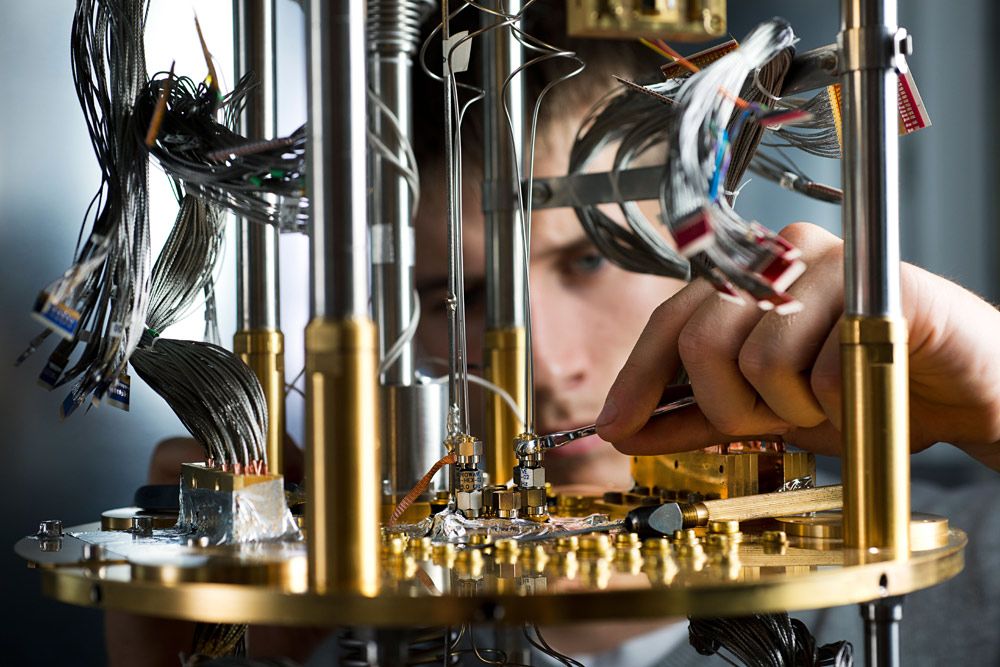
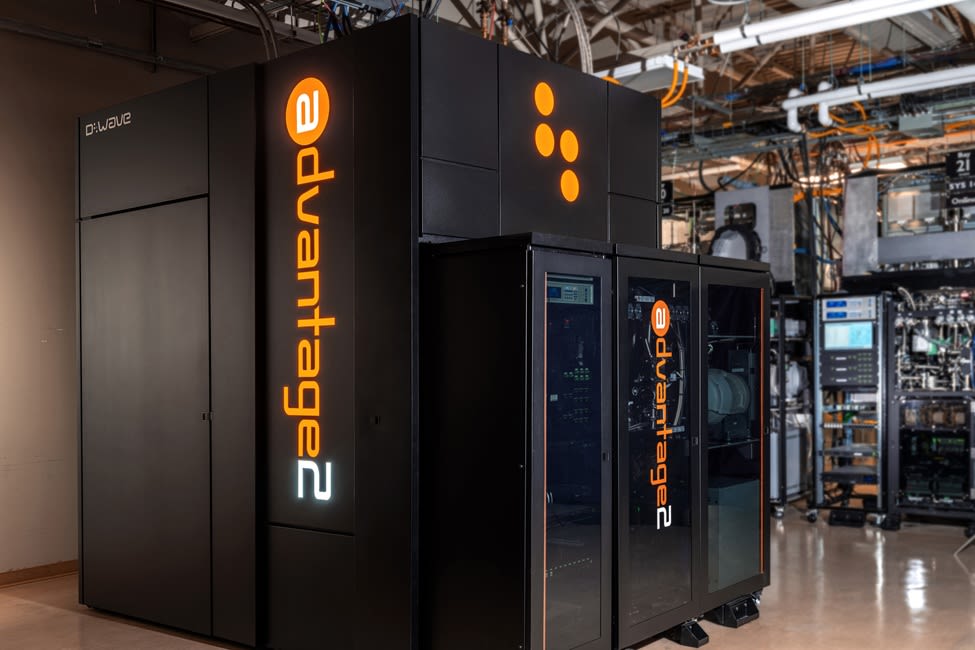
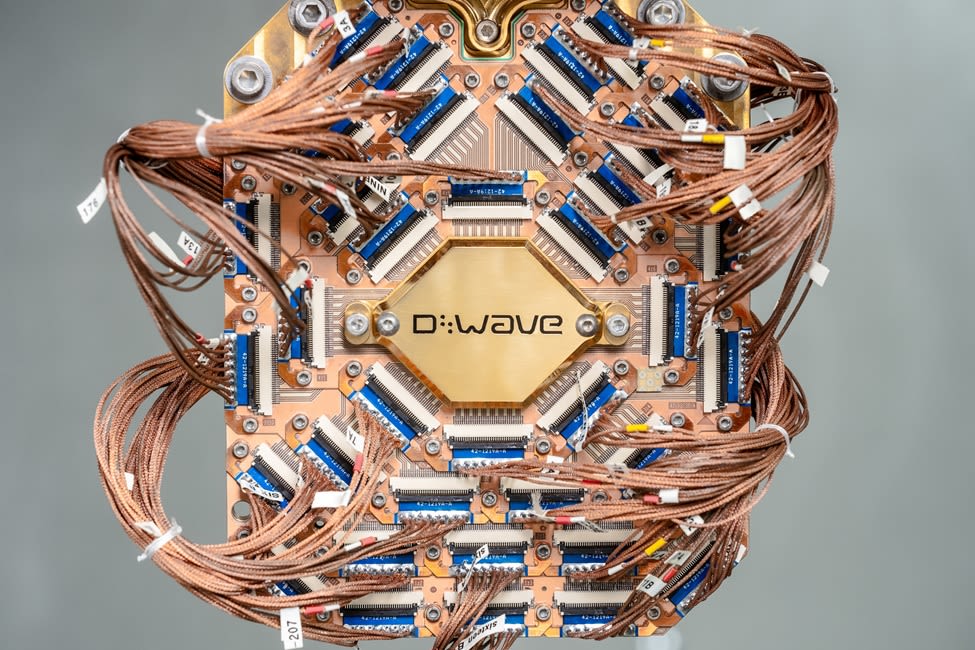
Less than two miles away from IBM’s historic former facility, Florida Atlantic University is installing a D-Wave Advantage2™ quantum computer on campus, becoming the first higher-education institution in Florida to host a dedicated quantum computer. D-Wave’s Advantage2 annealing quantum computer is one of the most advanced quantum computers currently available. When installed on campus later this year, it will enable faster experimentation and deeper collaboration, while providing hands-on experience with the underlying technology.
As a recently designated R1 institution, Florida Atlantic is known for making significant investments in research and awarding large numbers of research doctorates. The university is also committed to using research discoveries for real-world change. Its new agreement with D-Wave Quantum Inc., announced in January 2026, positions the university to leverage quantum computing to advance academic disciplines further than ever before.
But the partnership doesn’t end in the classroom. As D-Wave relocates its headquarters from Palo Alto to the very same site that once housed IBM’s computing pioneers in Boca Raton, it will also establish a research and development facility and work with Florida Atlantic leaders to launch joint programs to train students and faculty in emerging quantum technologies and to develop a skilled work force for the quantum industry in South Florida and beyond.

SEIZING THE MOMENT
“Florida Atlantic is willing to invest early and strategically in emerging technologies that will matter to the economy, to industry, and to society,” explains Stella Batalama, Ph.D., dean of the university’s College of Engineering and Computer Science.

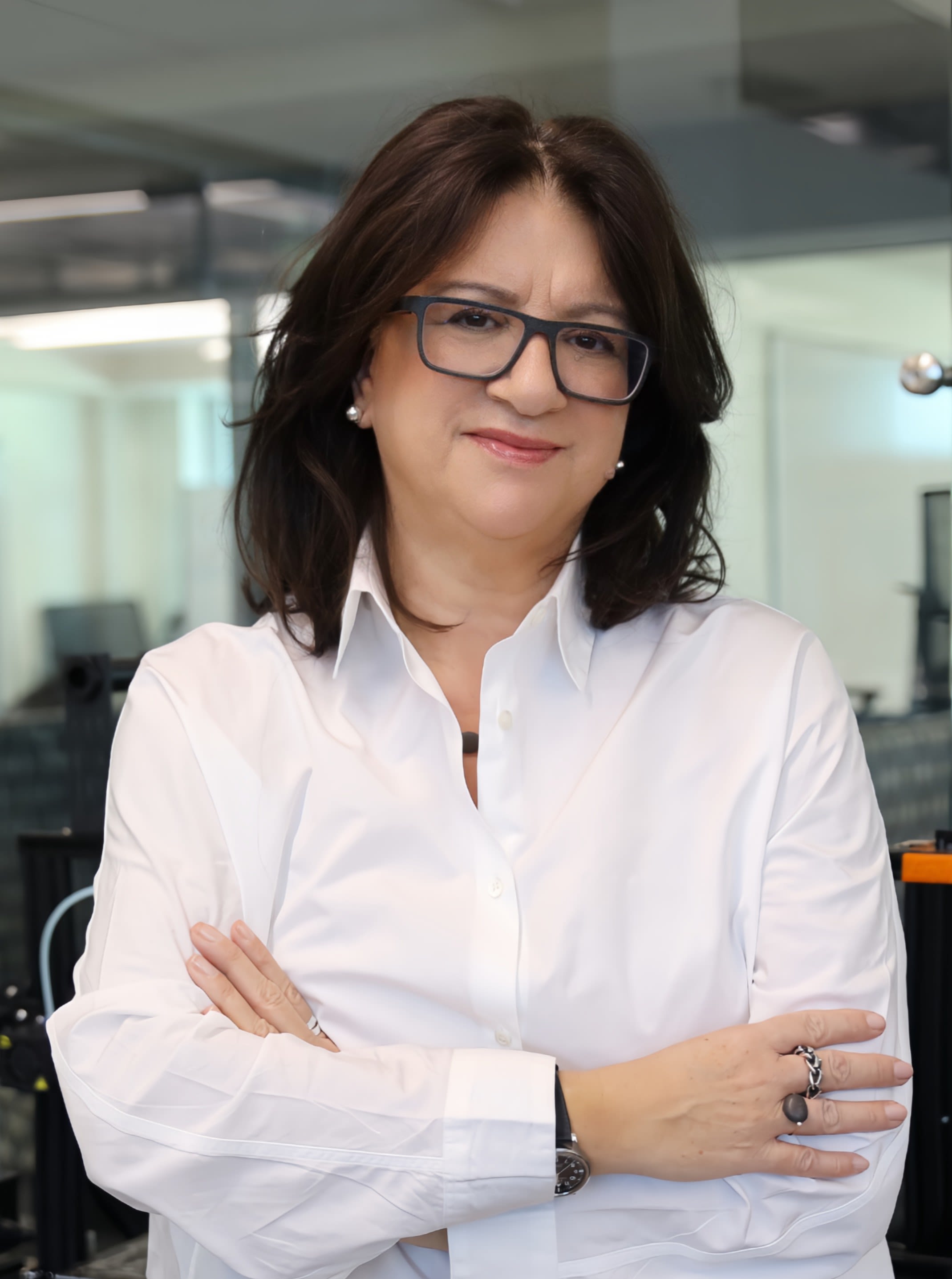
Stella Batalama, Ph.D., dean of FAU’s College of Engineering and Computer Science
Stella Batalama, Ph.D., dean of FAU’s College of Engineering and Computer Science
Academic and business leaders have long seen quantum technology as a theoretical research discipline. Today, that perspective is gradually becoming obsolete — with quantum computing evolving towards practical impact across different industries.
While many institutions are just catching up to the quantum trend, Florida Atlantic was quick to recognize its potential. Before the partnership with D-Wave, the university already had faculty working on quantum optimization, quantum machine learning, and quantum algorithm development, says Batalama. Access to on-site hardware will enable those researchers — and their students — to explore, test, and apply concepts faster than before.
“It is going to accelerate work that was already emerging in our university, and give that work a stronger platform to grow,” she says.
Florida Atlantic’s focus on quantum computing aligns with similar initiatives at the state and local levels.
Florida’s Department of Commerce recently launched a strategy to recruit quantum companies, coordinate with research universities, and strengthen Florida’s reputation as a leader in quantum technology. In October 2025, 14 Florida universities, including Florida Atlantic, signed a memorandum of understanding to form the Florida Alliance for Quantum Technology.
The Business Development Board of Palm Beach County, which includes Boca Raton, leads a parallel effort to attract quantum-focused companies to the region. Florida Atlantic first connected with D-Wave through this initiative.
When D-Wave executives met with Florida Atlantic president Adam Hasner, it became clear that the organizations shared priorities. Hasner wanted to make the university a hub for quantum talent and research in Florida, and D-Wave needed a university partner that could move quickly and advance the quantum industry.
Allison Schwartz, senior vice president for global government relations and public affairs at D-Wave, applauds Florida Atlantic’s sense of urgency.


Allison Schwartz, senior vice president for global government relations and public affairs at D-Wave
Allison Schwartz, senior vice president for global government relations and public affairs at D-Wave
“This is the exact time you need to get on the quantum journey,” she explains. “Universities have to engage with quantum companies, so their students and faculty can learn about quantum technology today.”

A FORCE MULTIPLIER FOR ADVANCED RESEARCH
Under Batalama, Florida Atlantic’s College of Engineering and Computer Science has grown its research expenditures by 230 percent over the past eight years, signaling its commitment to research innovation.
An on-site quantum computer will maintain this momentum while expanding the range of problems that researchers can take on.
Rather than processing tasks in a logical sequence, annealing quantum computers — like the D-Wave Advantage2 system acquired by Florida Atlantic — harness the principles of quantum mechanics to more efficiently evaluate a vast number of possibilities, making them a potentially transformative tool for solving complex problems. This technique makes quantum computers especially useful for challenges beyond the reach of classical computers.
“Personally, I’m excited about the potential of quantum computing to help solve extreme, complex optimization problems … energy systems, logistics, healthcare operations, and also infrastructure planning or emergency management,” Batalama says. “All of those are problems and areas where the combination of quantum computing and artificial intelligence can open entirely new possibilities.”
Annealing quantum computing is already generating results across the university.
A colleague recently told Batalama about a drone swarm simulation that used to take 4 to 5 days to complete. With quantum computing, “it now takes eight minutes,” she says.
At this year’s Biotech Bridge Hackathon, hosted by the university’s Center for Molecular Biology and Biotechnology, the winning team of students applied annealing quantum computing to improve techniques for brain tumor ablation.
“Most folks in the past saw quantum as sitting only in the physics departments,” Schwartz explains. “Yes, physics departments need to engage in it, but so do the mathematicians, the computer scientists, and the business optimization experts. All students and faculty looking at algorithm development can and should engage with quantum computing technologies.”
Annealing quantum computing easily ripples beyond the walls of an academic lab. It creates a measurable impact on people’s lives by finding efficiencies and opportunities in unexpected places. Schwartz cites two examples in other cities: The Port of Los Angeles increased deliveries per crane by more than 60 percent, while a waste management pilot program in Tokyo reduced carbon dioxide emissions by 57 percent. She expects similar results to emerge from the partnership with Florida Atlantic.
Ryan Britton, vice president for government relations and economic development at Florida Atlantic, helped coordinate the partnership with D-Wave. He notes that quantum computing is a force multiplier for work already underway on campus, including computational neuroscience, autonomous systems, and fintech/financial services.

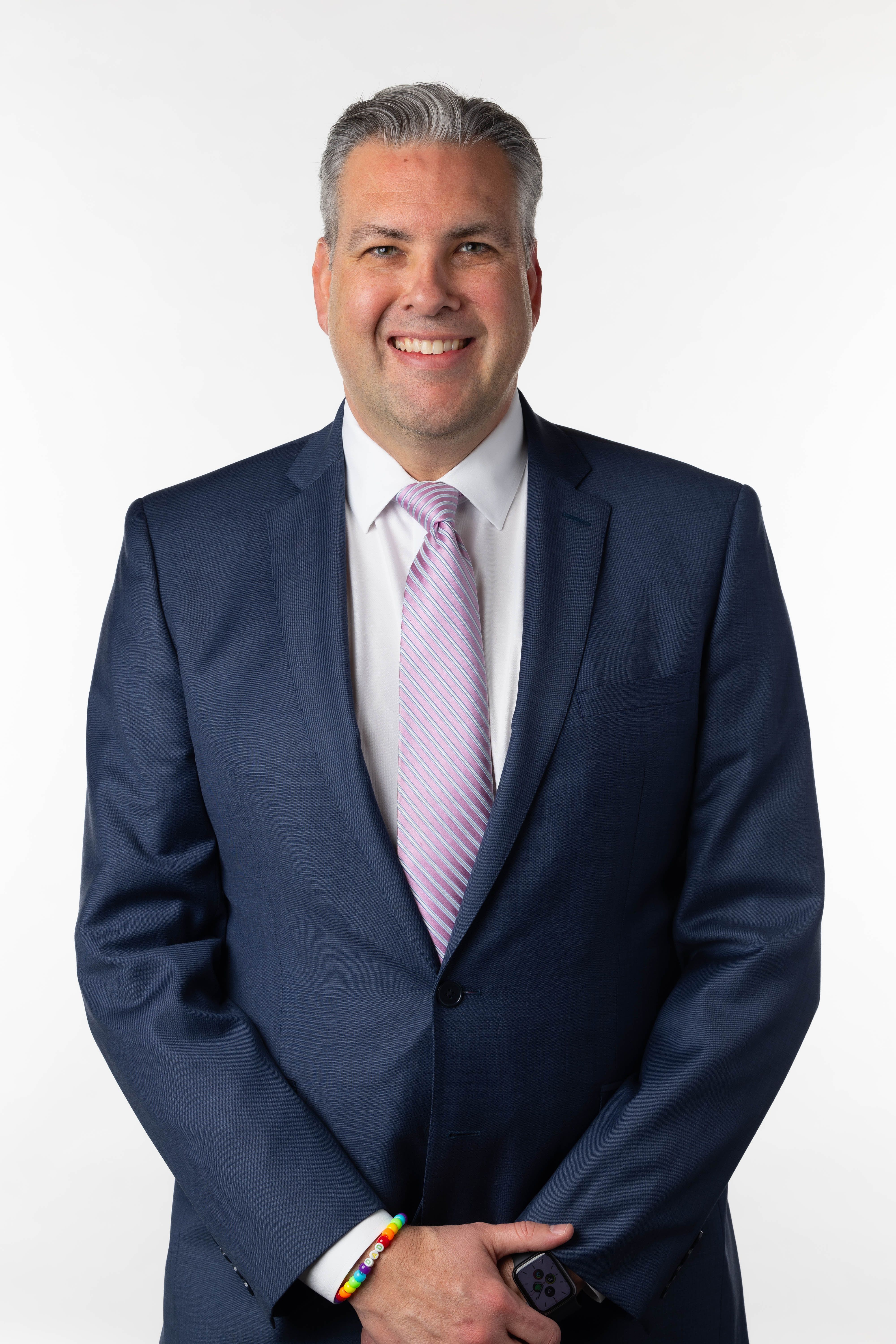
Ryan Britton, vice president for government relations and economic development at Florida Atlantic
Ryan Britton, vice president for government relations and economic development at Florida Atlantic
Britton also predicts that quantum capabilities will enhance the university’s competitive advantage in securing research grants and recruiting and retaining top-tier students and faculty.
“This is talent we’re going to keep here, and they’re going to want to continue to access the most cutting-edge technology,” he says. “We’ve given ourselves the runway to keep exploring the newest technologies so that we stay out front.”
PLANNING FOR TOMORROW’S WORKFORCE
While most university quantum hardware agreements focus primarily on research, Florida Atlantic took a broader view.
“We worked to establish strong connectivity to the private sector and a strong presence in the economic development community,” Britton recalls. He points out that South Florida is experiencing an economic surge as major companies move to the region. Florida Atlantic hopes to position itself as a trusted resource for technical and high-growth industries, like quantum computing.
“This investment is just as much about workforce development as it is about research,” says Batalama. “Our goal is to prepare students for the broader quantum ecosystem.”
Schwartz notes an acute need for skilled workers in the quantum industry and at public and private-sector organizations that utilize quantum technology.
“We can’t wait to hire the amount of talent we need,” she admits.
The proximity of D-Wave to Florida Atlantic is expected to facilitate the organizations’ creation of a mutually beneficial talent development program, known as the D-Wave Quantum Applications Academy. The Academy will focus on three priorities: integrating quantum computing into the university’s existing research initiatives, training faculty to support other Florida universities, and providing internships and experiential learning opportunities for students.
Britton adds that the academy will give Florida Atlantic students an advantage they can’t get on any other campus, borrowing an example from Malcolm Gladwell’s book, Outliers:
“Bill Gates had a computer that no one else at the time had in their high school,” he says. “Look at what exposure to that type of emerging technology does for someone. This type of exposure … is going to differentiate folks for many years to come.”
PUTTING A QUANTUM PARTNERSHIP TOGETHER
Florida Atlantic’s foray into quantum computing is not a template every university can copy. It’s unique to the institution’s geography, community relationships, strategic priorities, and academic expertise. But the underlying approach is readily transferable.
For university leaders considering what quantum opportunities will fit their campus, Schwartz has clear advice: Start by looking at the industries in your own backyard. Where Florida Atlantic leans into finance, defense, health care, and the environment, a university in Indiana might focus on agriculture, and one in Kentucky on advanced manufacturing.
Then she suggests evaluating other regional universities: Do they have their own quantum programs?
“Don’t follow their lead. Do something different,” Schwartz says. “FAU definitely did, because they wanted to look at the application side, they wanted to be an ecosystem provider, and they really wanted to be a partner and a collaborator.”
Britton advises peers at other institutions to take an honest look at their skills and strategic priorities before pursuing a major technology partnership.
“This wasn’t something that was totally out of left field,” he explains. “We already had quantum foundationally at the university. We also saw quantum as an opportunity to really expand on current research priorities.”
Florida Atlantic’s investment means Boca Raton is once again on the cusp of bringing emerging technology from the margins to the mainstream.
“Quantum computing allows us to build a distinctive research and education ecosystem at the intersection of quantum, AI, and advanced engineering,” says Batalama, “and it aligns perfectly with our vision for preparing students for the technologies that will define the next generation of innovation.”


This content was paid for and created by Florida Atlantic University. The editorial staff of The Chronicle had no role in its preparation. Find out more about paid content.
 Built with Shorthand