


Can the Teacher-Scholar Model Drive Research Impact?
A Provost’s Perspective
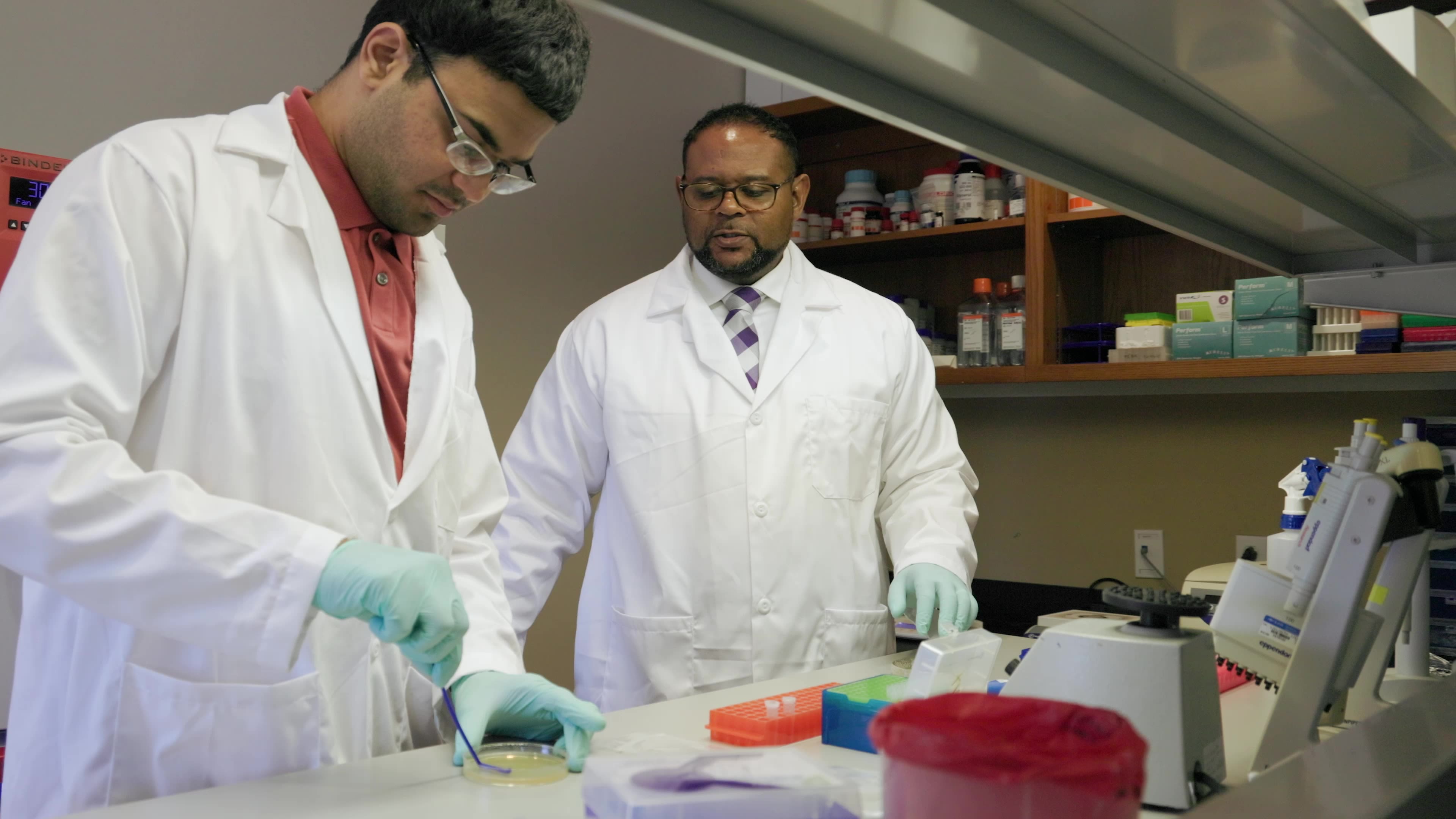

The teacher-scholar model has long been heralded as an ideal formula in higher education, fostering dynamic, collaborative environments where faculty members are just as passionate about teaching and about finding opportunities for students of all levels to participate in meaningful academic inquiry as they are about their research. However, amid “publish or perish” mindsets, a race for research funding, and ever-tightening time constraints, fully realizing that ideal scenario across campuses (or even departments) hasn’t always seemed possible.
But with the right strategies and support, the model works — and now, more than ever, it deserves a closer look, says Floyd L. Wormley Jr., the provost and vice chancellor for academic affairs at Texas Christian University. Wormley, a microbiologist by trade whose research focuses on medical mycology and immunology, previously served as the university's vice provost of research and dean of graduate studies.
Now, Wormley is driving TCU’s efforts to significantly expand research, scholarship, and creativity activity. And he's doing this while balancing the university’s 14:1 faculty-to-student ratio — a focus so vital that it is part of the newly launched strategic plan, LEAD ON: Values in Action.
As many higher-education institutions contend with budget, enrollment and student engagement issues, TCU enjoys a position of strength: The Fort Worth university is ranked the number 2 best-run college by the Princeton Review, enjoys an A+ rating from Forbes, boasts a 93-percent student retention rate and has more than tripled total research expenditures over the past five years.

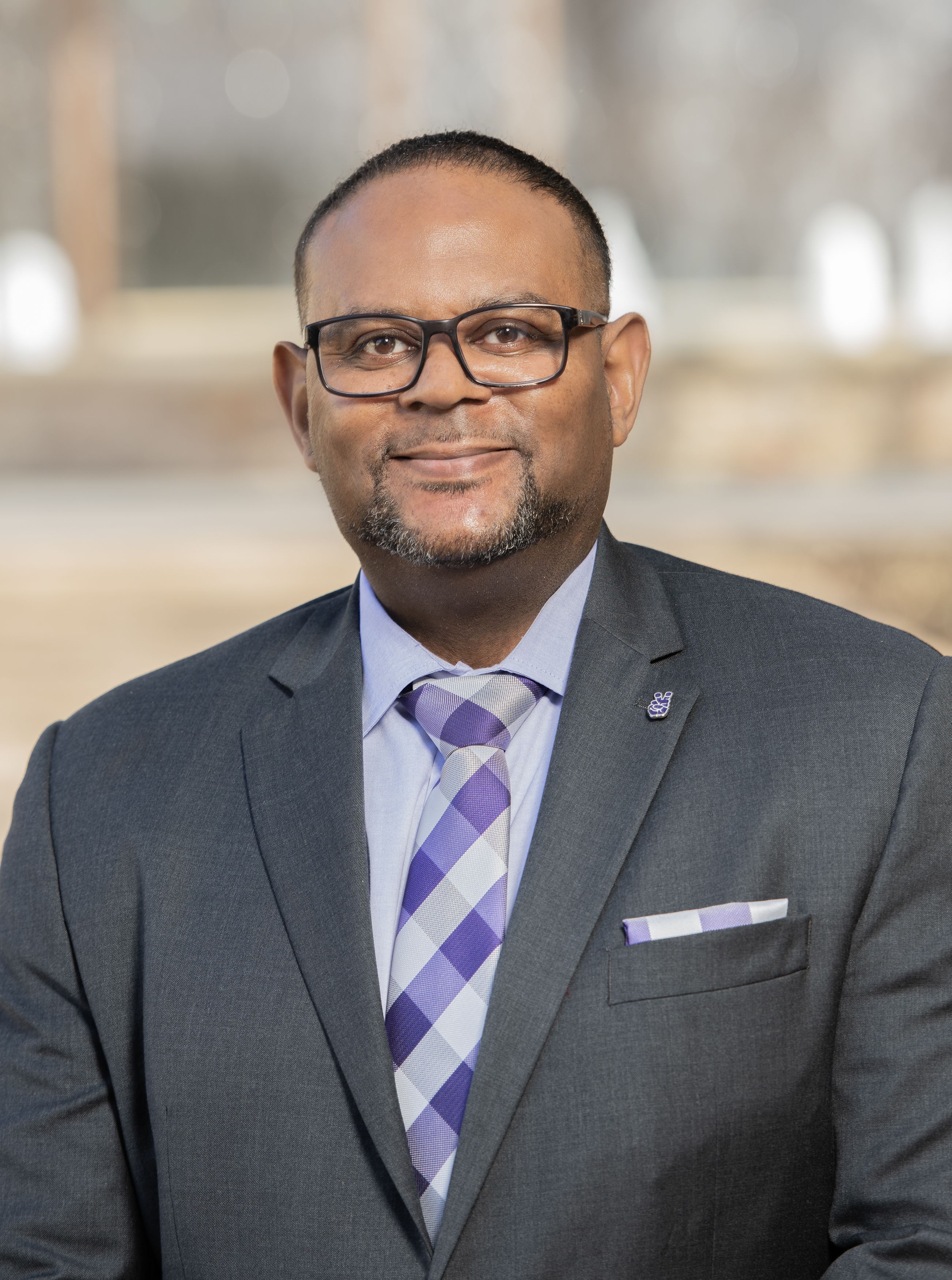
“At TCU, instruction and research are viewed as complementary, not competing, activities that enrich the academic experience and spark innovation. With our new strategic plan, we are making significant investments in research, faculty hires and campus facilities to support an expanded research agenda, but we also consider the teacher-scholar model to be integral to who we are and how we support student success.”
Floyd L. Wormley., Jr., provost and vice chancellor for academic affairs
“At TCU, instruction and research are viewed as complementary, not competing, activities that enrich the academic experience and spark innovation. With our new strategic plan, we are making significant investments in research, faculty hires and campus facilities to support an expanded research agenda, but we also consider the teacher-scholar model to be integral to who we are and how we support student success.”
Floyd L. Wormley., Jr., provost and vice chancellor for academic affairs
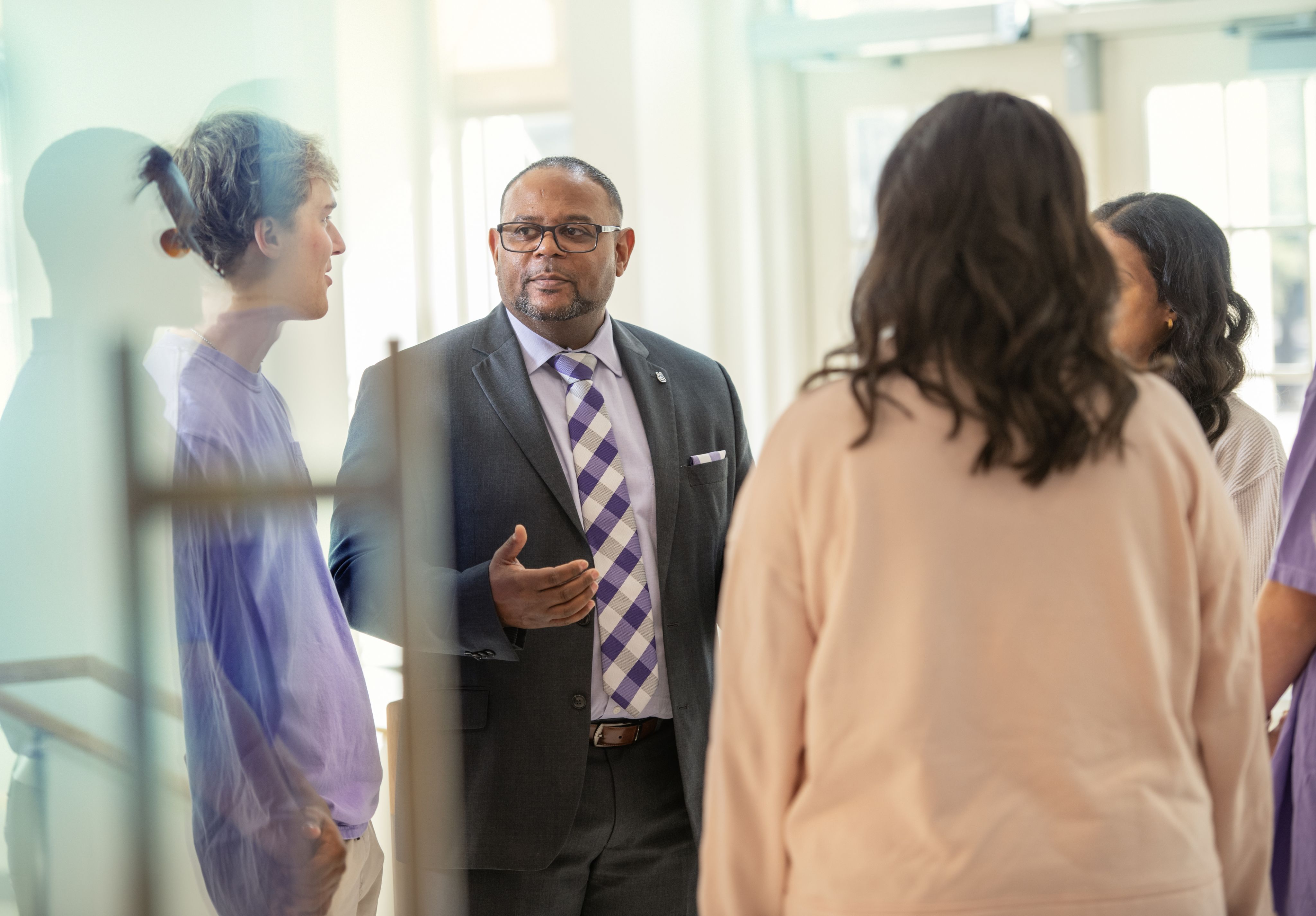
As a provost who actively participates in research, publishes, and operates a lab, Wormley is the epitome of a teacher-scholar who is leading the charge to significantly expand research, scholarship, and creative activity across all disciplines at TCU. Here, he shares five ways other institutions can build or improve their own teacher-scholar models.
1. Embed Student Research from the Beginning
“When you integrate experiential-learning opportunities into a program from the start, it underscores their vital role in the academic experience,” Wormley says. “Here, it’s baked into the culture, and it is expected.”
One example is the Anne Burnett Marion School of Medicine at TCU. While research is encouraged by many medical schools, it’s not usually a requirement for graduation. But when the university opened its medical school in 2019, leaders added a unique component — a required four-year research course to the curriculum. “From its inception, that's how it was designed,” Wormley says.
The Scholarly Pursuit and Thesis (SPT) course is integrated longitudinally throughout the School of Medicine’s four-year curriculum and is designed to develop physicians into life-long learners capable of critical inquiry and medical literacy, which enhances patient-centric care.
Students use evidence-based approaches for basic and clinical research, working closely with course directors, faculty, and mentors they choose.
Research topics are varied, spanning health sciences, social sciences, and creative endeavors. In recent years, students have considered the potential need for earlier colorectal cancer screening, created a barbershop talk therapy program, studied the impact of empathy training on scuba volunteers, and developed technologies to help reduce opioid overdose deaths.
By the end of the four-year SPT course, students have written a capstone thesis and presented their projects to the community at a research symposium.
Those projects give the university's medical students a competitive edge, Wormley says. “When our students interview for residency positions, they can converse about research projects they pursued, not as an afterthought or only for a semester, but the entire four years.”
As a result, 100 percent of students in TCU’s Burnett School of Medicine Class of 2025 were matched to residency programs across the nation.

2. Engage Students as Scholars
Before students start their first day of classes at TCU, they learn about opportunities for undergraduate research, as well as other creative and experiential learning endeavors. The teacher-scholar model is promoted in marketing materials to prospective students and at first-year orientation. When they arrive on campus, students learn about the many research and professional development opportunities and career counseling services that are available throughout our campus.
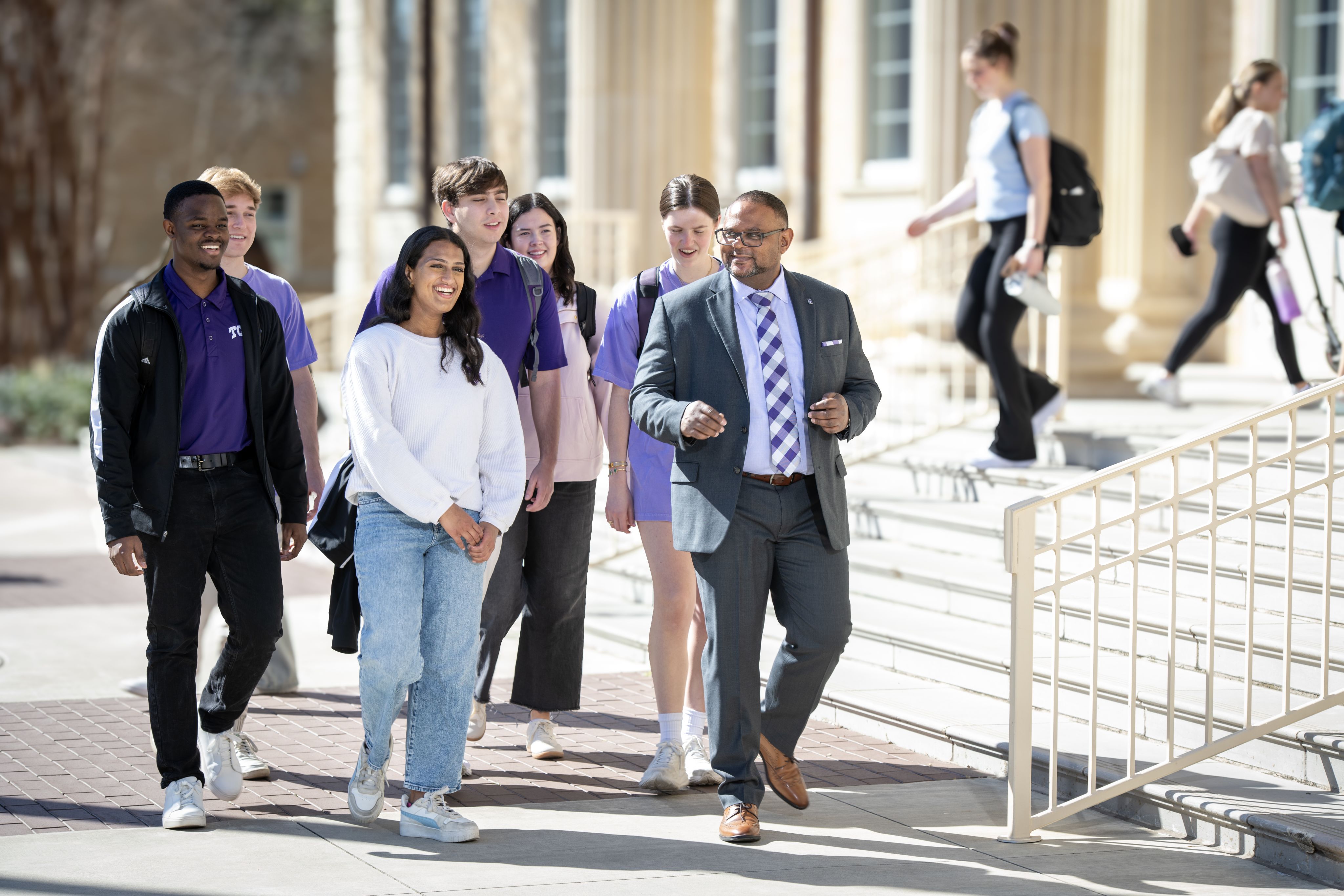
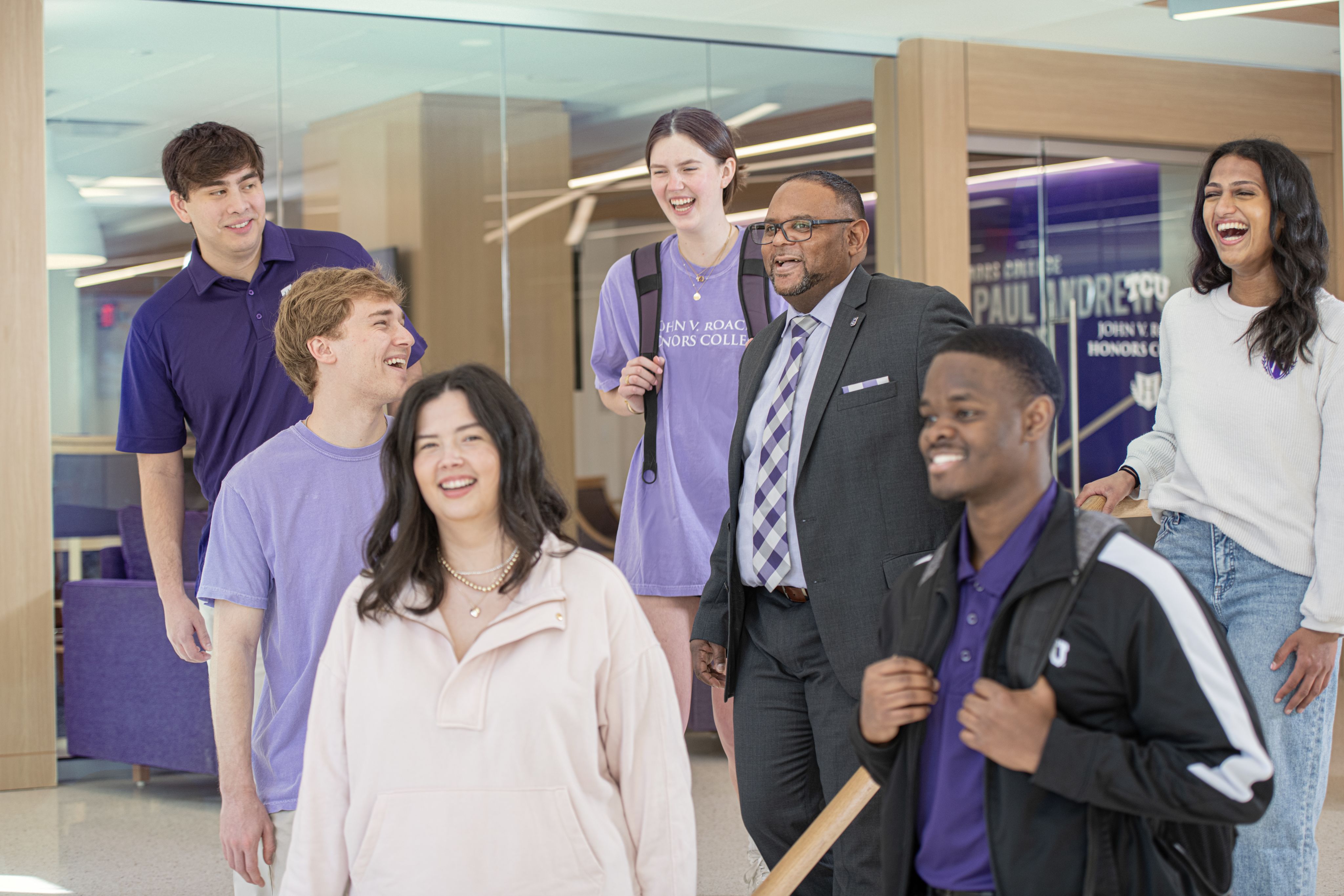
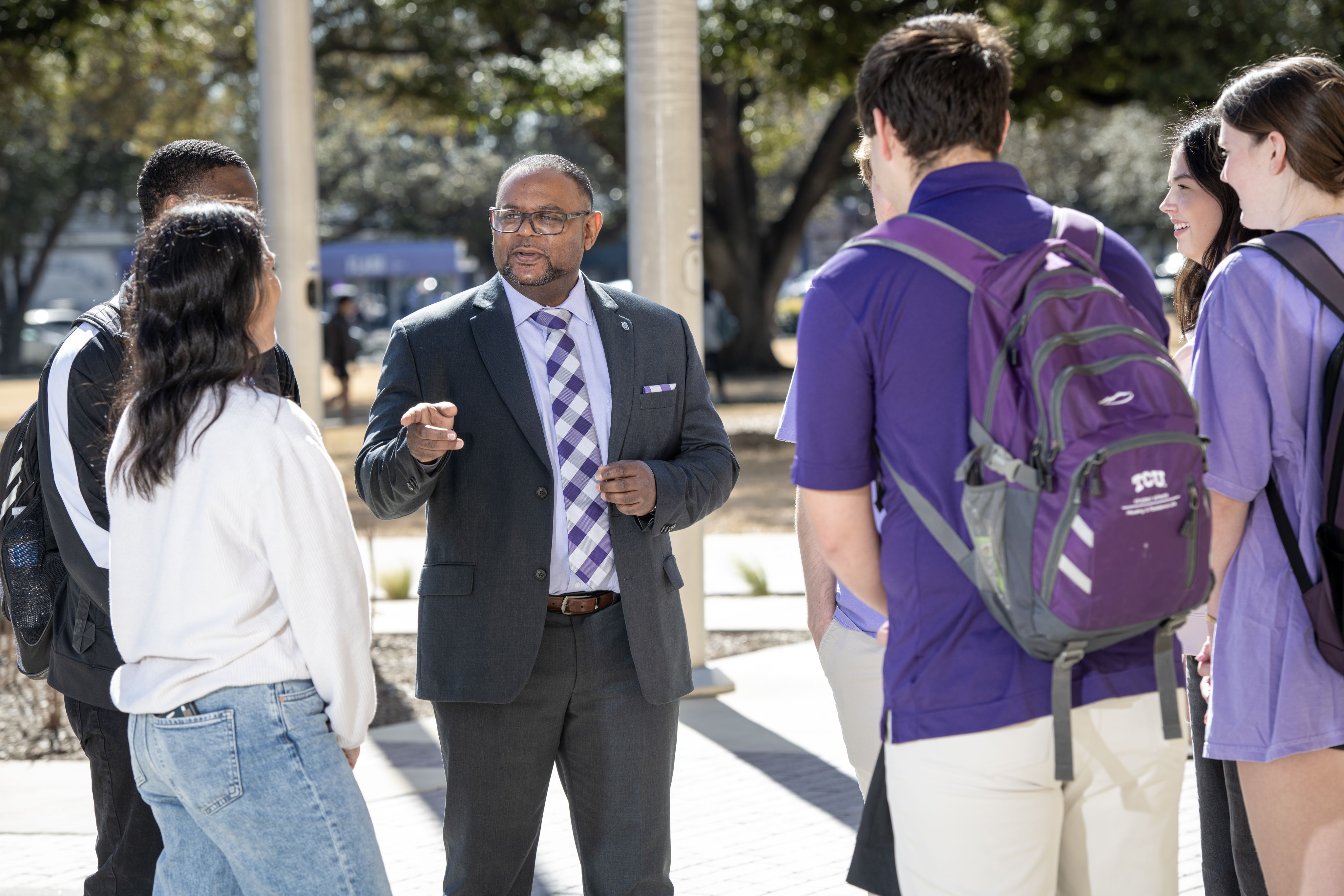
“TCU offers ample opportunities for students to work alongside their professors,” Wormley says. “Even with my responsibilities now as provost, I enjoy interacting with young minds and sharing my excitement for science with future scientists.”
Once students are engaged in scholarship, the university offers support. The university provides seed funding for undergraduate student projects and offers support for faculty to engage with undergraduate students in research. Each semester includes special events for students to showcase their work, such as a Research and Creative Activities Week each fall.
When senior Vinisha Inaganti first visited the TCU campus as a prospective student, a student tour guide talked about how professors are laser-focused on student success, prioritizing both student mentorship and their own scholarly research.
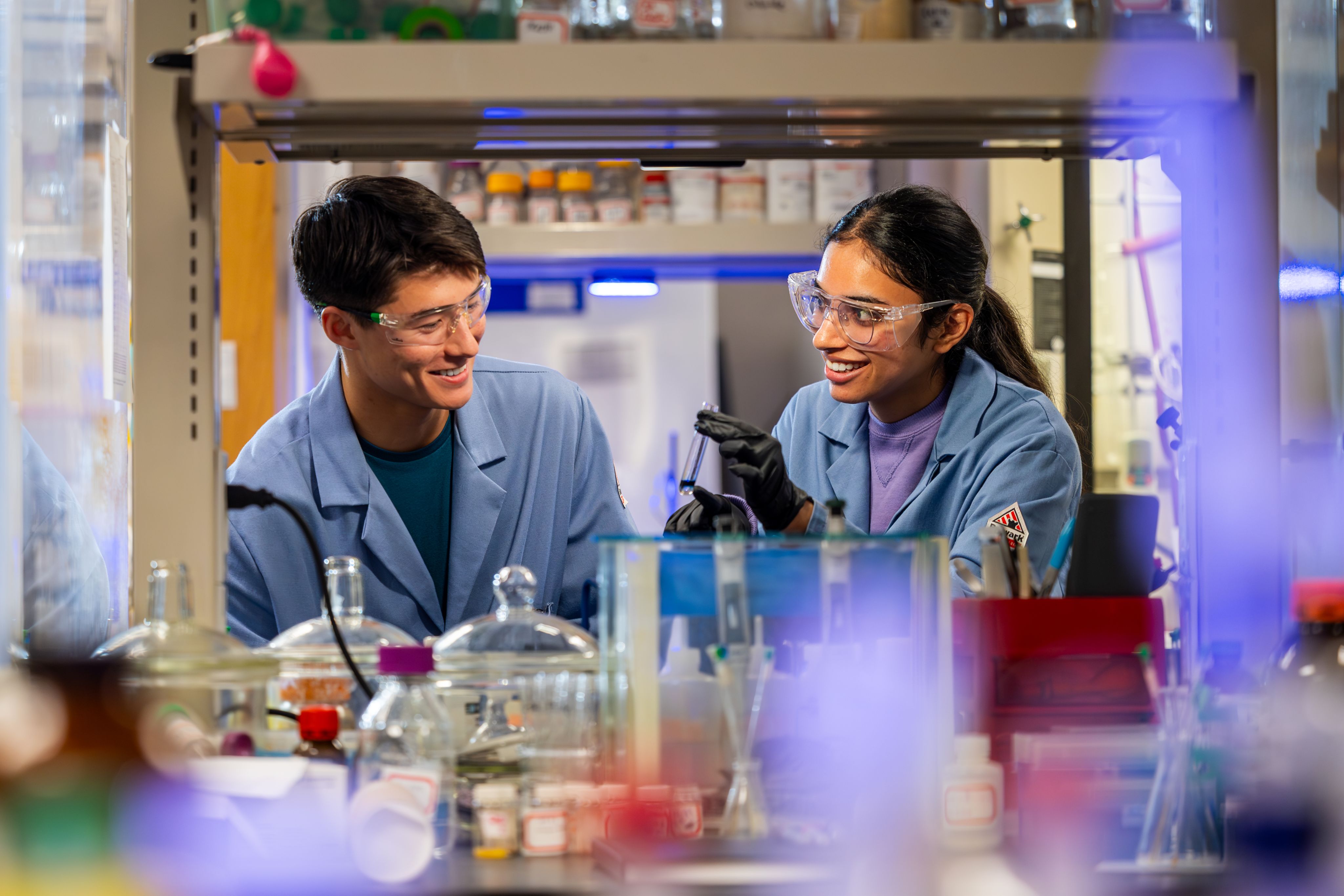
Four years later, Inaganti, a neuroscience major, can affirm that research-centric college experience with prospective students, having engaged in research across her time at the university with Wormley as one of her mentors.
She currently is leading her own two-year independent project, for which she secured funding through the university, to build better intake assessments for people with substance-abuse issues seeking medical treatment. Inaganti explains, “Everyone at TCU is engaging in amazing work, amazing research.”
Students like Inaganti benefit when faculty engage in scholarly activity and share their zeal and insights in the classroom, sparking new ideas that guide future scholarly activity, Wormley says. Getting comfortable with data gathering and analysis, critical thinking, and collaborating with others gives the university’s students an edge in their professional development.

3. Think of Research Beyond the Lab
Scientific lab work usually comes to mind when people hear the words “scholar” or “research.” Under TCU’s teacher-scholar model, scholarship extends beyond traditional science lab settings to encompass creative activities and experiential learning across disciplines. All faculty, staff, and students are encouraged to participate in the teacher-scholar model, Wormley says.
“A university education should provide an academic environment that sets up students for success as leaders in the workforce, for graduate school or professional school,” Wormley says. He explains that it’s not just about offering the best education, but also the best cultural enrichment. “We are investing in the highest level of research, scholarship, and creative activity so that our faculty can provide the best environment for experiential learning for our students to thrive.”
In practice, that means faculty across social sciences, arts, business and, yes, traditional sciences, actively contribute to the university’s intellectual pursuits as they support students. Examples include a recording project for TCU’s wind symphony, which included current and former students, and an exploration of artificial intelligence’s impact on fashion merchandising in upper-level product development classes.
The university’s Child Hearing, Language, Literacy and Deafness Lab provides regular opportunities for undergraduate and graduate students to work with children who have hearing loss. In the business school, professors enlist major international corporations to provide real business challenges for students to devise and present solutions.
Molly Weinburgh’s lab is often a middle school classroom. Weinburgh, a TCU professor and director of the Andrews Institute for Research in Mathematics and Science Education, conducts research on expanding interest in science among children. She sends TCU juniors and seniors to a local middle school to mentor students while identifying factors that influence whether the middle schoolers see themselves as future scientists or health-care professionals.
“My job is to interact with my students on an ongoing basis, do my research, and interweave that with service,” Weinburgh says. “At TCU, I'm truly able to do that.”
4. Empower Your Faculty to Excel at Both
For Wormley, research and teaching are complementary forces that can foster greater institutional impact. The university hires faculty who are both highly trained in their academic field and passionate about teaching.
“Undergraduate teaching and building relationships with students are as important as faculty conducting research that — full circle — they bring back into the classroom,” Wormley says.
Under Wormley’s leadership, TCU has strengthened its commitment to supporting faculty so they can succeed in both their scholarly pursuits and in the classroom. His expansion of the university’s Office of Research provides start-up funds and assists in securing external funding for intellectual activities in every discipline across campus.
In October, TCU joined the Social Science Research Council, which advances research-led public innovation. Membership reinforces the university’s commitment to scholarship across all disciplines, including the social sciences, which frequently receives less funding compared to life sciences.
“Joining the council enables our faculty and students to collaborate on addressing critical challenges while benefiting from new opportunities for funding and mentorship,” Wormley says.
Student engagement in the classroom as well as in research and creative activities contributes to the university’s high retention rate for first-year students, Wormley says. “Studies for decades have shown that when you get students involved in purposeful work, they have much more of a sense of connection and belonging to the university.”
5. Reward Faculty for Excellence
“Because our faculty work hard to excel in teaching and scholarship, we make it a priority to recognize their extraordinary accomplishments,” Wormley says.
That balance is reinforced through the promotion process, where faculty are encouraged to perform strongly in both arenas.
Tangible rewards, such as incentives, awards, and recognition, are part of the equation. Tenured-track and non-tenure-track professors are all in the running for a variety of awards that honor their commitment to the teacher-scholar model. Winners clearly demonstrate a significant influence in their discipline and on students with exceptional dedication to teaching and support, Wormley says.
University administrators also seek ways to recommend faculty for external awards. In 2023 and 2024, for example, TCU faculty members were named Piper Professors, which annually recognizes an exclusive selection of notable professors across Texas for their outstanding scholarly achievement and dedication to teaching.
Weinburgh, who is one of the university’s Piper Professors, says she can’t imagine saying “no” to a student who asks for mentorship or support on a project. Across her nearly two dozen years at the university, the teacher-scholar model has guided everything she’s done — inside and outside the classroom.
“I had never heard that term, teacher-scholar, until I came here to TCU, and then I heard it over and over again,” Weinburgh says. “It just became a part of my existence and has been key in staying sharp and connected to what each student cohort needs academically.”

The Ultimate Goal: Setting Up Students for Success
As Inaganti prepares to graduate, she credits the university’s teacher-scholar model for sharpening her growth and strengthening her medical school applications. During admission interviews, she spoke confidently about the structural challenges in the healthcare system — insights she gained through her research. Now, with multiple medical school offers in hand, she’s weighing her next steps.
Wormley sees her success as a testament to TCU’s approach to teaching and scholarship. He’s proud of both Inaganti’s achievements and the collaborative atmosphere on campus that helped propel her forward — all outcomes of the university’s strong commitment to the teacher-scholar model.
That sense of support and engagement, he notes, extends far beyond academics. Not only is it buffering TCU from many of the challenges facing colleges and universities today, it’s shaping a campus culture where students thrive and graduate well-prepared for what’s next.
“Year after year, our students have amazing outcomes — they land top jobs in their fields and we have high grad-school placement rates. On top of that, they’re consistently ranked among the nation’s happiest students,” Wormley says. “Our students are successful because we have all these opportunities, a sense of belonging and a connection on campus. We work to bring people together, so they not only get what they need academically, but to make them ready for the world. People just want to be here, and they’re excelling.”

This content was paid for and created by Texas Christian University. The editorial staff of The Chronicle had no role in its preparation. Find out more about paid content.
 Built with Shorthand