


On a recent Thursday afternoon, the Vanderbilt University campus buzzed with student activity. Dozens of young people enjoyed the sunny fall weather, setting out blankets on Library Lawn, while a handful of others played Spikeball and a DJ flipped through a record collection before her set.
Meanwhile, inside Kenneth MacLeish’s classroom in Calhoun Hall, a group of first-year students wrestled with how to make the best use of a finite life.
At the start of class, the students put away cell phones and other devices and wrote their thoughts in black Moleskine journals provided by the college. They then discussed their reflections as they related to the writings of Seneca, a Roman philosopher who urged people to live in the present and pursue purposeful relationships and meaningful work. Throughout the class, MacLeish, an associate professor of medicine, health and society, and anthropology, drew out comments from the undergraduates and connected the students’ occasionally disparate ideas.
The class is part of an overhaul to the core curriculum at Vanderbilt’s College of Arts and Science. Among the changes, starting in the 2025-26 academic year, all first-year students in the college are required to take two courses: “Being Human,” which MacLeish was leading a class in, and another titled “Science, Technology, and Values.”
The courses are meant to provide undergraduates a shared intellectual experience based on engaging philosophical texts and literature and are taught by a cross-disciplinary group of instructors.
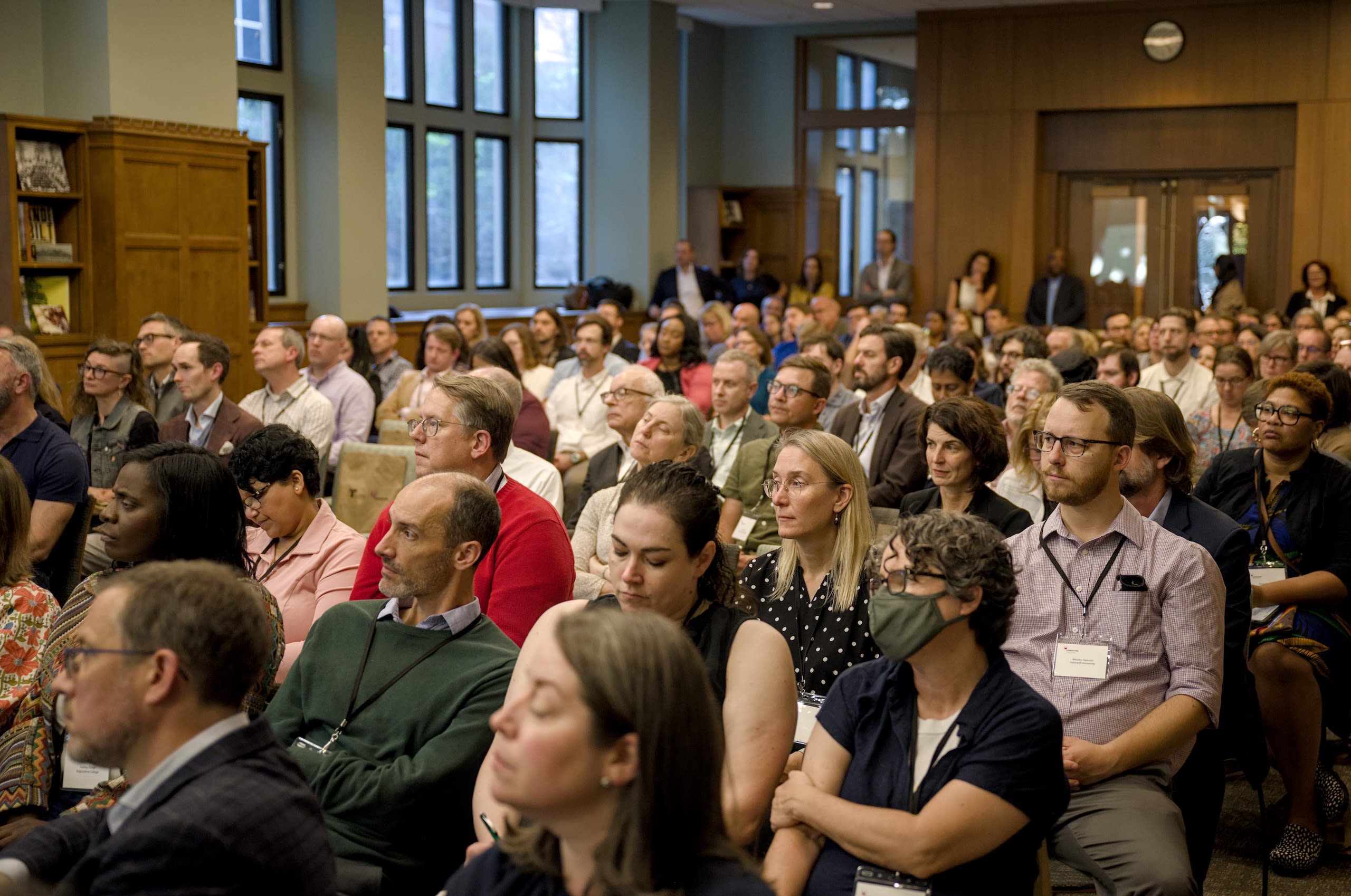
Vanderbilt’s effort received funds from the Teagle Foundation as part of its Cornerstone: Learning for Living grant program that seeks to revitalize the humanities in general education. In mid-October, the philanthropy brought more than 200 attendees from 80 institutions to Vanderbilt’s campus in Nashville to learn about the university’s approach and to discuss how to expand and sustain such work elsewhere.
The two-day conference included practical teaching advice, including a demonstration of how to run an organized debate in a classroom, a panel discussion with Vanderbilt students on their experiences with the new courses, and an interview about the power of storytelling with author Ann Patchett, who lives in the Nashville area.
The Chronicle interviewed Roosevelt Montás, a professor who spoke at the event, about the role general education can have in America’s debates about higher education and the trends he sees shaping liberal education generally. Montás, who previously taught at Columbia University, was appointed this year to a newly created position at Bard College, where he will lead a center focused on advocating for the benefits of liberal education.
The transcript has been edited for clarity and length.


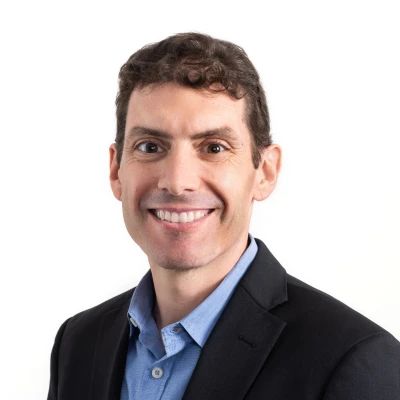
Ian Wilhelm
Deputy Managing Editor
The Chronicle of Higher Education

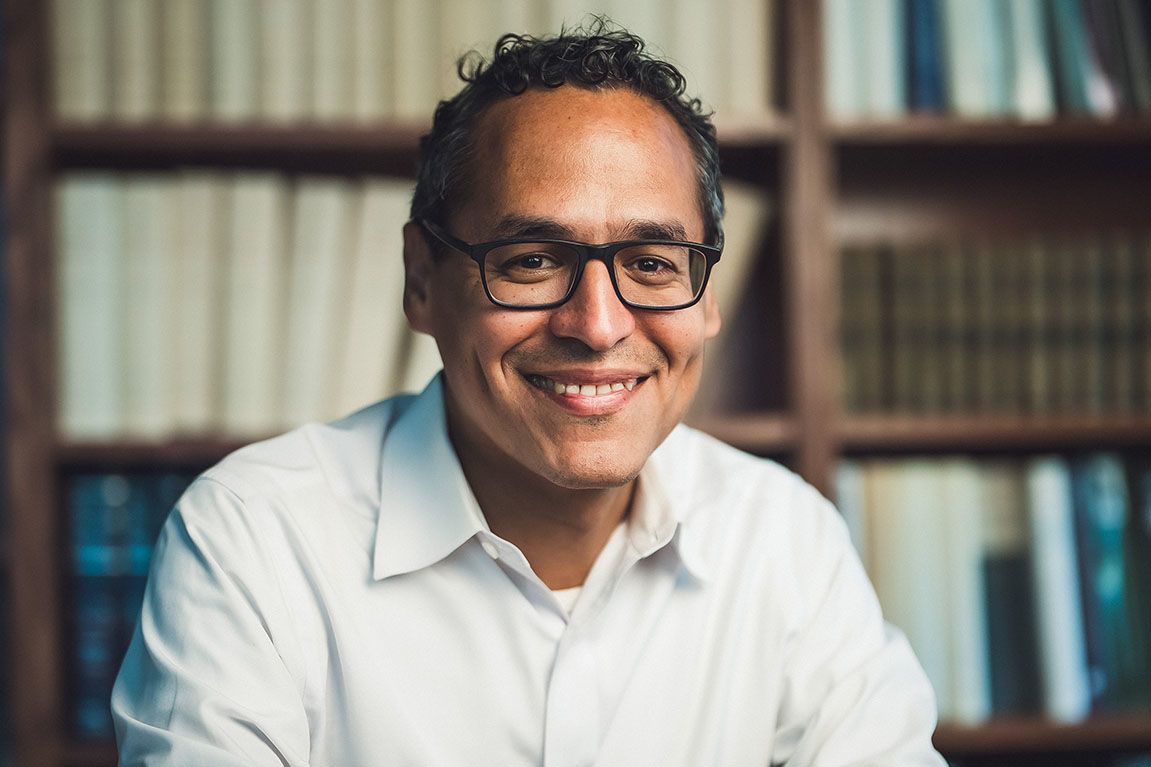
Roosevelt Montás
John and Margaret Bard Professor in Liberal Education and Civic Life
Bard College
Ian Wilhelm: For years you’ve written about the importance of a core curriculum that teaches books of major cultural significance and allows students to share an experience reflecting on these big ideas. Why does that approach have value in the politically polarized time we’re in?
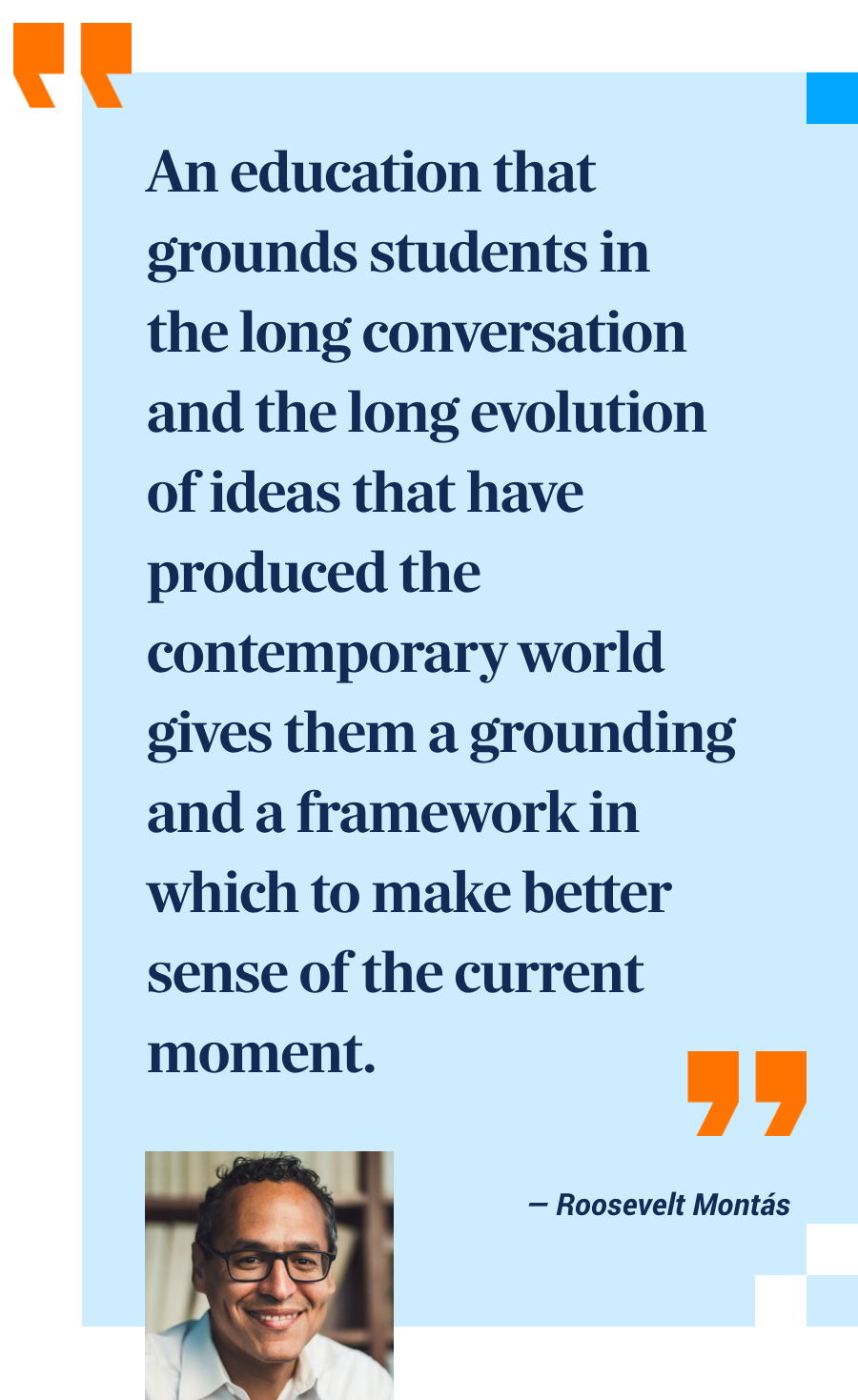
Roosevelt Montás: One of the things that characterizes our moment is the immediacy that information and attention takes. We are deluged with minutiae. It's hard, even for those of us who have had a coming of age in a different information environment to raise our heads above the water and look around. An education that grounds students in the long conversation and the long evolution of ideas that have produced the contemporary world gives them a grounding and a framework in which to make better sense of the current moment.
It also exercises them in this form of attention that is increasingly rare. It gives a kind of historical contextualization to their experience. They realize that the questions and issues that are urgent and in front of us today have a history, are not novel, do not come from nothing. That is extraordinarily valuable, and urgently so at a moment like this, where so much of the way we have lived is in flux.
Wilhelm: In Nashville, we talked about the survey data that shows many Americans have concerns about the value of higher ed. Do you think a resurgence in the type of general education can help improve public perception?
Montás: I think so. The idea that an education should do more than prepare a student for a narrow career has quite broad appeal. I think we misread the public when we think that they are merely interested in narrow technical education. I think that there can be an appearance of that when the alternative is some kind of esoteric, academic, incomprehensible body of knowledge, which, sadly, is very much how the humanities and the liberal arts have come across to the general public.
When you present general education as this form of education that prepares you for a life of citizenship or a life of engagement with your environment, and when it’s offered not as a replacement for a career-oriented education, but as its foundation, I think it is immediately appealing. And it could help restore credibility to universities.

Ian Wilhelm: For years you’ve written about the importance of a core curriculum that teaches books of major cultural significance and allows students to share an experience reflecting on these big ideas. Why does that approach have value in the politically polarized time we’re in?
Roosevelt Montás: One of the things that characterizes our moment is the immediacy that information and attention takes. We are deluged with minutiae. It's hard, even for those of us who have had a coming of age in a different information environment to raise our heads above the water and look around. An education that grounds students in the long conversation and the long evolution of ideas that have produced the contemporary world gives them a grounding and a framework in which to make better sense of the current moment.
It also exercises them in this form of attention that is increasingly rare. It gives a kind of historical contextualization to their experience. They realize that the questions and issues that are urgent and in front of us today have a history, are not novel, do not come from nothing. That is extraordinarily valuable, and urgently so at a moment like this, where so much of the way we have lived is in flux.
Wilhelm: In Nashville, we talked about the survey data that shows many Americans have concerns about the value of higher ed. Do you think a resurgence in the type of general education can help improve public perception?
Montás: I think so. The idea that an education should do more than prepare a student for a narrow career has quite broad appeal. I think we misread the public when we think that they are merely interested in narrow technical education. I think that there can be an appearance of that when the alternative is some kind of esoteric, academic, incomprehensible body of knowledge, which, sadly, is very much how the humanities and the liberal arts have come across to the general public.
When you present general education as this form of education that prepares you for a life of citizenship or a life of engagement with your environment, and when it’s offered not as a replacement for a career-oriented education, but as its foundation, I think it is immediately appealing. And it could help restore credibility to universities.


Wilhelm: In a 2021 essay for The Chronicle, you wrote: “Liberal education threatens to retreat to bastions of privilege with technical, vocational, or professional education, much of it online, for everyone else.” It’s been almost five years since you wrote those words. I'm curious if you think the trend lines have changed?
Montás: Those trend lines have continued. And I would add today that true liberal education has become harder to find, even in places that proudly declare themselves as liberal-arts institutions. That is, the idea of a liberal education has become shrouded, obfuscated by things like disciplinary specialization, and in some cases, the subordination of education to ideological pursuits, both on the right and on the left.
Wilhelm: On that note, there’s a push by the Trump administration and lawmakers in mostly conservative states to revitalize civic education, often establishing centers on public campuses. Do these efforts connect with the type of liberal education you're advocating for?
Montás: They go in the same direction, but similarly with what is sometimes referred to as viewpoint diversity, they have been framed pretty narrowly as responses to what's taken to be a kind of woke takeover of the academy. This is especially the case in the efforts to bring viewpoint diversity to campus, because it assumes that students and faculty have — and should have — a firmly decided viewpoint. Whereas liberal education is more interested in unsettling the certainties and the viewpoints, in raising the fundamental questions, and in complicating people's answers to the questions.
Anyone who teaches liberal education with the idea that they already have the answers to the big, important questions, and that an education is meant to lead students to those answers, is fundamentally misguided. A kind of reductive way of thinking about this interest in dialogue across differences and viewpoint diversity is to kind of put students or even faculty who disagree in the same room and let them sort of duke it out. But that is counterproductive. No one's ever persuaded in that form of interaction. No one changes their mind in the form of interaction.
Whereas liberal education sees us as engaged in a mutually enabling search for clarity and understanding. You and I, in that conversation, are partners in trying to elucidate and get closer to some shared understanding, rather than adversaries who are trying to refute or own the other.

Wilhelm: In a 2021 essay for The Chronicle, you wrote: “Liberal education threatens to retreat to bastions of privilege with technical, vocational, or professional education, much of it online, for everyone else.” It’s been almost five years since you wrote those words. I'm curious if you think the trend lines have changed?
Montás: Those trend lines have continued. And I would add today that true liberal education has become harder to find, even in places that proudly declare themselves as liberal-arts institutions. That is, the idea of a liberal education has become shrouded, obfuscated by things like disciplinary specialization, and in some cases, the subordination of education to ideological pursuits, both on the right and on the left.
Wilhelm: On that note, there’s a push by the Trump administration and lawmakers in mostly conservative states to revitalize civic education, often establishing centers on public campuses. Do these efforts connect with the type of liberal education you're advocating for?
Montás: They go in the same direction, but similarly with what is sometimes referred to as viewpoint diversity, they have been framed pretty narrowly as responses to what's taken to be a kind of woke takeover of the academy. This is especially the case in the efforts to bring viewpoint diversity to campus, because it assumes that students and faculty have — and should have — a firmly decided viewpoint. Whereas liberal education is more interested in unsettling the certainties and the viewpoints, in raising the fundamental questions, and in complicating people's answers to the questions.
Anyone who teaches liberal education with the idea that they already have the answers to the big, important questions, and that an education is meant to lead students to those answers, is fundamentally misguided. A kind of reductive way of thinking about this interest in dialogue across differences and viewpoint diversity is to kind of put students or even faculty who disagree in the same room and let them sort of duke it out. But that is counterproductive. No one's ever persuaded in that form of interaction. No one changes their mind in the form of interaction.
Whereas liberal education sees us as engaged in a mutually enabling search for clarity and understanding. You and I, in that conversation, are partners in trying to elucidate and get closer to some shared understanding, rather than adversaries who are trying to refute or own the other.
Wilhelm: When you talk about a partnership like that, it would seem to require a change in how faculty usually teach.
Montás: It requires a kind of culture change among the faculty, because the existing structure of the academic profession is all about expertise and mastery of a specified domain. But in liberal education, there is no specified domain. In general education, there is no demarcation of what is relevant and what is not. Everything has to be integrated. The important questions that ground our existence as human beings, as social beings, as political beings, don't have complete and definite answers. They present provocations and persisting dilemmas that we grapple with, that we live with, and that we resolve in specific circumstances and contexts. There is no domain-specific expertise, and the scientist and the literary critic professor both have to sort of divest themselves from their specific academic training.
It needs somebody who is skilled at managing a conversation, somebody who is skilled at encouraging different opinions to come to the fore, somebody who is skilled at creating an atmosphere of dialogue in which people can express themselves freely. Those are the skills of a general-education teacher, and they're not skills that are taught in graduate school.
It requires an institutional revaluation of what matters, of what is merit-worthy in a profession, what is recognized, what gets promotion, what gets prestige, what gets recognition in an institution.
Wilhelm: Not long ago, you were appointed the John and Margaret Bard Professor in Liberal Education and Civic Life at Bard College, which is a newly created faculty position. What are your goals at Bard?
Montás: I came to Bard to teach in its general-education classes and to launch a new center called the Chang Chavkin Center for Liberal Education and Civic Life. The mission of that center is to promote general-education reform across higher education. Bard has a history of doing this type of thing with their prison-education program, with their high-school/early college program, and with their liberal-arts campuses in various countries. So it is a fitting home for what we hope is going to be a revival of general education in the United States.
Wilhelm: At the conference, we heard from students who had taken Vanderbilt’s core-curriculum courses. What do you hear from students in these types of courses that you teach? How do they respond to them?
Montás: They don't know what to expect. Is this a literature class? Is this a philosophy class? And, I have found, for example, this semester, teaching in the first-year seminar at Bard, that some of the early weeks go into habituating students into this form of learning, into this kind of open inquiry into fundamental questions under the provocation of these texts. And what you find is this liveliness, this engagement, this genuine intellectual energy from the students. Students are hungry, you might even say that they're desperate, for an occasion in which these deep, existential, ethical, political questions can be discussed.

Wilhelm: When you talk about a partnership like that, it would seem to require a change in how faculty usually teach.
Montás: It requires a kind of culture change among the faculty, because the existing structure of the academic profession is all about expertise and mastery of a specified domain. But in liberal education, there is no specified domain. In general education, there is no demarcation of what is relevant and what is not. Everything has to be integrated. The important questions that ground our existence as human beings, as social beings, as political beings, don't have complete and definite answers. They present provocations and persisting dilemmas that we grapple with, that we live with, and that we resolve in specific circumstances and contexts. There is no domain-specific expertise, and the scientist and the literary critic professor both have to sort of divest themselves from their specific academic training.
It needs somebody who is skilled at managing a conversation, somebody who is skilled at encouraging different opinions to come to the fore, somebody who is skilled at creating an atmosphere of dialogue in which people can express themselves freely. Those are the skills of a general-education teacher, and they're not skills that are taught in graduate school.
It requires an institutional revaluation of what matters, of what is merit-worthy in a profession, what is recognized, what gets promotion, what gets prestige, what gets recognition in an institution.
Wilhelm: Not long ago, you were appointed the John and Margaret Bard Professor in Liberal Education and Civic Life at Bard College, which is a newly created faculty position. What are your goals at Bard?
Montás: I came to Bard to teach in its general-education classes and to launch a new center called the Chang Chavkin Center for Liberal Education and Civic Life. The mission of that center is to promote general-education reform across higher education. Bard has a history of doing this type of thing with their prison-education program, with their high-school/early college program, and with their liberal-arts campuses in various countries. So it is a fitting home for what we hope is going to be a revival of general education in the United States.
Wilhelm: At the conference, we heard from students who had taken Vanderbilt’s core-curriculum courses. What do you hear from students in these types of courses that you teach? How do they respond to them?
Montás: They don't know what to expect. Is this a literature class? Is this a philosophy class? And, I have found, for example, this semester, teaching in the first-year seminar at Bard, that some of the early weeks go into habituating students into this form of learning, into this kind of open inquiry into fundamental questions under the provocation of these texts. And what you find is this liveliness, this engagement, this genuine intellectual energy from the students. Students are hungry, you might even say that they're desperate, for an occasion in which these deep, existential, ethical, political questions can be discussed.ppealing. And it could help restore credibility to universities.


This Key Takeaways was produced by Chronicle Intelligence. Please contact CI@chronicle.com with questions or comments.
©2025 by The Chronicle of Higher Education Inc. All rights reserved. This material may not be reproduced without prior written permission of The Chronicle. For permission requests, contact us at copyright@chronicle.com.


Additional resources from The Chronicle


Chronicle article


 Built with Shorthand