



A New Approach in the Fight Against Cancer
How Adelaide University Is Reshaping the Way We Target Cancer Cells
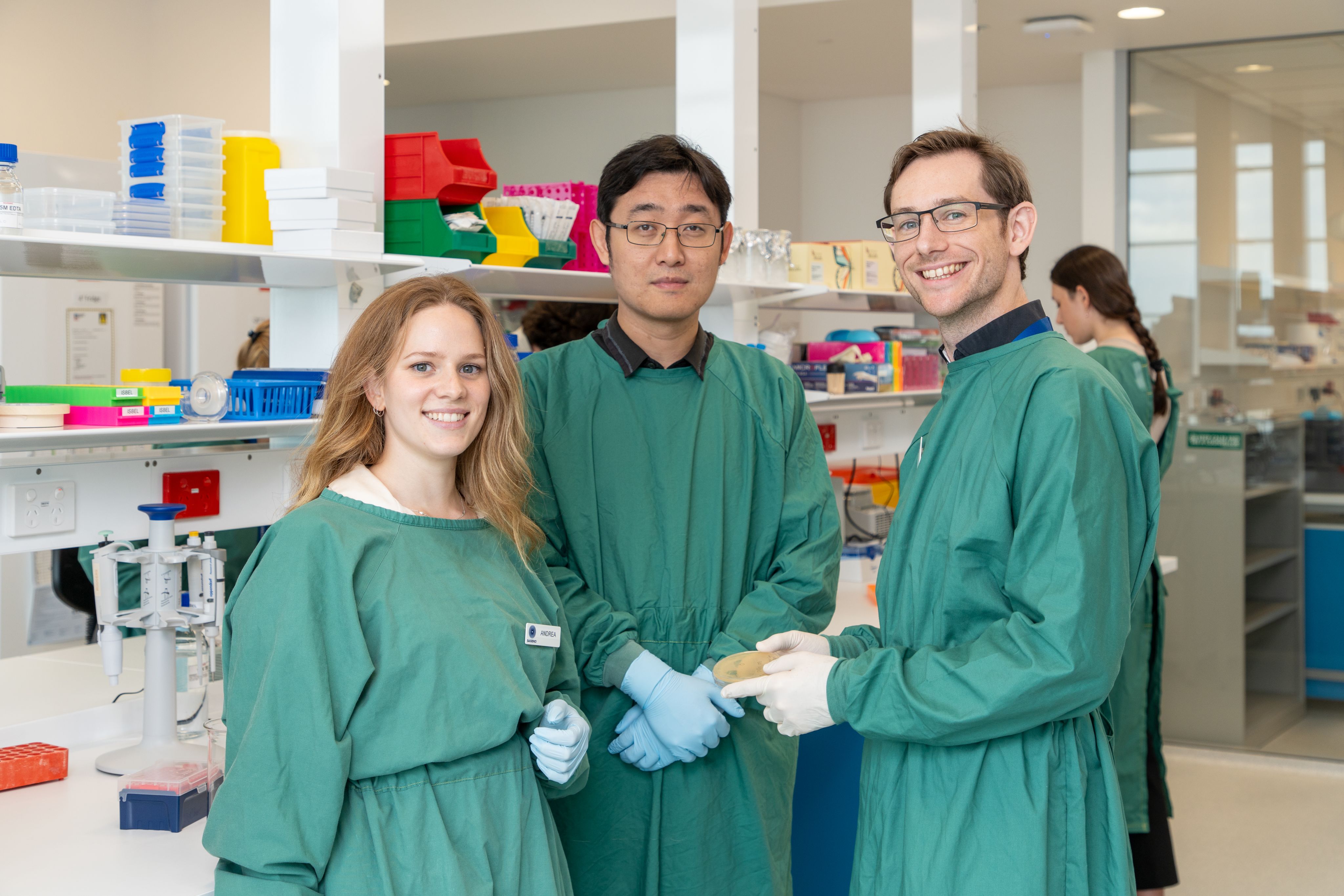

One of cancer’s key methods for growth is disabling the proteins that normally protect the body from tumour formation. Once mutated, these proteins were previously thought to be “undruggable,” meaning medicine couldn’t restore them to their original state. But Adelaide University molecular epigeneticist Dr Luke Isbel is now optimistic about a new approach to combatting cancer: targeting the disease’s most mutated protein, p53.
“Most direct therapeutics focus on turning off cancer‑promoting genes, called oncogenes, but p53 is the opposite; it suppresses tumours,’’ he explains.
“We think this protein could be cancer’s Achilles heel.”

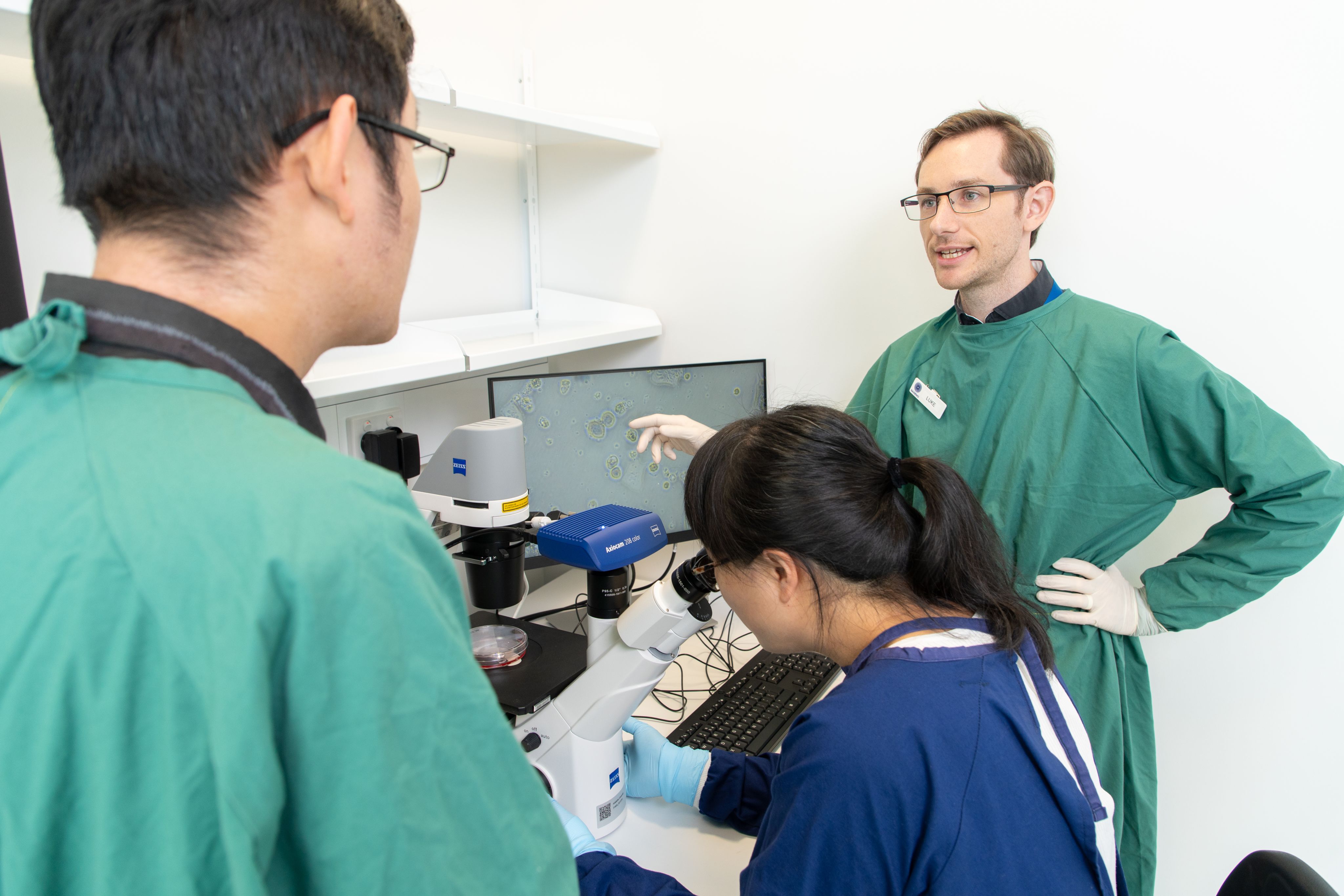
p53, the “perfect target,” is one of the top-level regulators of the genome; it helps cells respond to control DNA damage caused by cancer, control growth, and prevent tumours from forming. A new discovery has revealed a class of molecules known as ‘refolder compounds’ that can take mutant p53 and restore it to its usual shape—potentially allowing it to resume its tumour-suppressing role.
Dr Isbel believes medical research has historically overlooked tumour suppressors like p53 for a simple reason: “it’s easier to break something than fix it.” Now that researchers have identified the total spectrum of targets, both oncogenes and tumour suppressors, they’ll be able to attack cancer from both sides.
“I fully believe that when somebody finally cracks these processes, we will get as far as anyone has ever gotten toward curing cancer,” he says.
In Dr Isbel’s state-of-the-art epigenetics lab at the South Australian immunoGENomics Cancer Institute (SAiGENCI), where he also leads the Adelaide Centre for Epigenetics (ACE), he and his team are researching p53 by honing in on fundamental biology. They’re studying this protein and other drivers of genome activity to understand how they get activated initially, with the aim of translating these insights into curative advances.
“Only a fraction of our ~20,000 genes are active in any cell at any given time; the question is how,” Dr Isbel says.
“We think if we can get to the top of the hierarchy of how genes are switched on, then we can understand mechanisms with incredible therapeutic potential.”

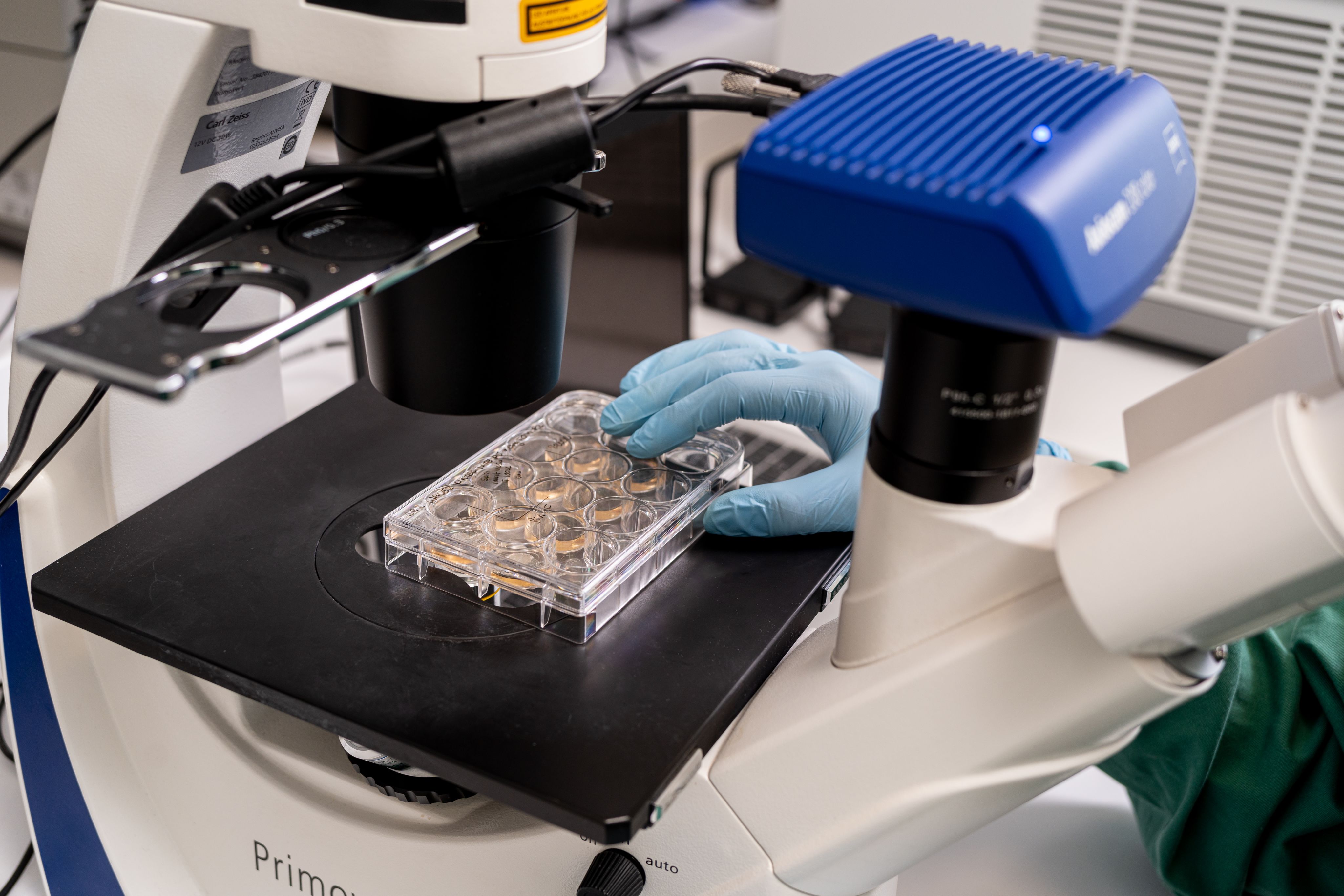
Dr Isbel notes that his team’s research has been supercharged by SAiGENCI’s “rich and effective’’ collaborations with the Centre for Cancer Biology. The two world-class institutions have long been neighbours in the Adelaide BioMed Precinct, and their ties have further strengthened since the start of 2026, when both became part of Adelaide University. With a joint mission “to challenge big questions’’, they are working together to research molecular drivers of cancer and deliver real-world impact.
Translation of discoveries into clinical practice is strengthened by the Centre for Cancer Biology’s proximity and close links with the Royal Adelaide Hospital and SAHMRI, and its alliances with leading pharmaceutical companies.
“We work with incredible translational and clinical researchers,’’ Dr Isbel explains.
“By collaborating, we can test our hypotheses in more translational settings where someone has already generated workflows and has access to those clinical connections.”
Surrounded by this network of collaborative cancer researchers, Dr Isbel considers himself to be in “the right place at right time” after relocating to Adelaide to establish his own laboratory in SAiGENCI in late 2023.
“It’s amazing to be in this new environment with the ability to shape our journey,” he says.
“It feels like there's no problem you could give us that we couldn’t solve. It’s a once‑in‑a‑lifetime opportunity.’’
Mentorship has been critical to Dr Isbel’s journey, and it informs how he runs his own laboratory, where he prizes creativity and communication. The researcher, who has gone on to win several prestigious awards including the 2024 Sylvia and Charles Viertel Senior Medical Research, says he “discovered I was an epigeneticist almost by accident.”
After getting inspired by a lecture by epigenetics pioneer Professor Emma Whitelaw at James Cook University, Dr Isbel went on to join her lab to start his PhD, which he completed at La Trobe University.
“After that, I asked Emma who she trusted most in the world to help me supercharge my science,’’ he recalls.
That is how he came to spend the next six years in the lab of distinguished German academic Professor Dirk Schübeler at the Friedrich Miescher Institute for Biomedical Research in Basel. Supported by the prestigious Marie Sklodowska-Curie Fellowship and CJ Martin Early Career Fellowship, his time in Europe was life-changing.
“My journey has been supported by amazing mentors, where my success was their success,’’ he says.
When he came to the realisation that he had “too many questions” and “only two hands”, Dr Isbel decided to move on to build his own lab.
“I interviewed across the world, and SAiGENCI stood out above all others. They had a vision and a shared communal goal. I could see myself doing amazing things,’’ he says.
“I want my legacy to be not just great science, but great people coming out of my lab. The biggest joy is seeing the light turn on when someone understands the ‘why’.”
Dr Isbel values outreach in the cancer community, to let those affected by the disease know that no stone is being left unturned.
“People often ask why we haven’t cured cancer yet. The answer is the biology is incredibly complex. Cells weren’t engineered to be understandable; they evolved to work.
“We know the genome is the blueprint to life, but we still don’t understand how the information is used.”
Fortunately, through the collaborative efforts and world-class research from Adelaide University’s South Australian immunoGENomics Cancer Institute and Centre for Cancer Biology, we’re growing closer to the answers.



This content was paid for and created by the Adelaide University. The editorial staff of The Chronicle had no role in its preparation. Find out more about paid content.
 Built with Shorthand