



Missouri S&T: Solving for Health
An Inside look at innovation and discovery at Missouri University of Science and Technology.
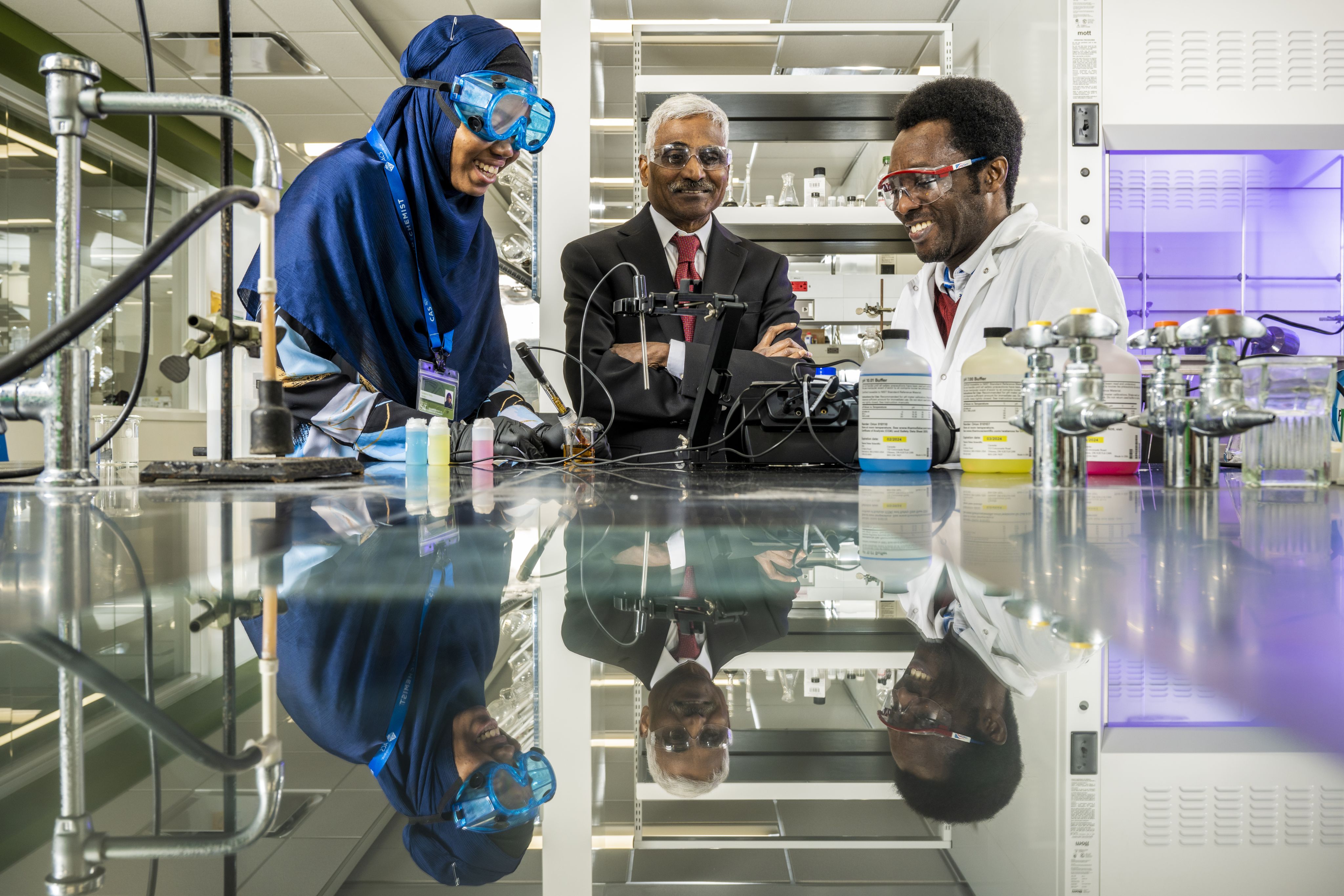

Bioconvergence — the juncture of the physical sciences, engineering, biological sciences, technology and medicine — is poised to become one of the greatest areas of academic and scientific research, and Missouri S&T is well-positioned to become a leader in this field.
One Step Closer to 3D-printing Human Organs
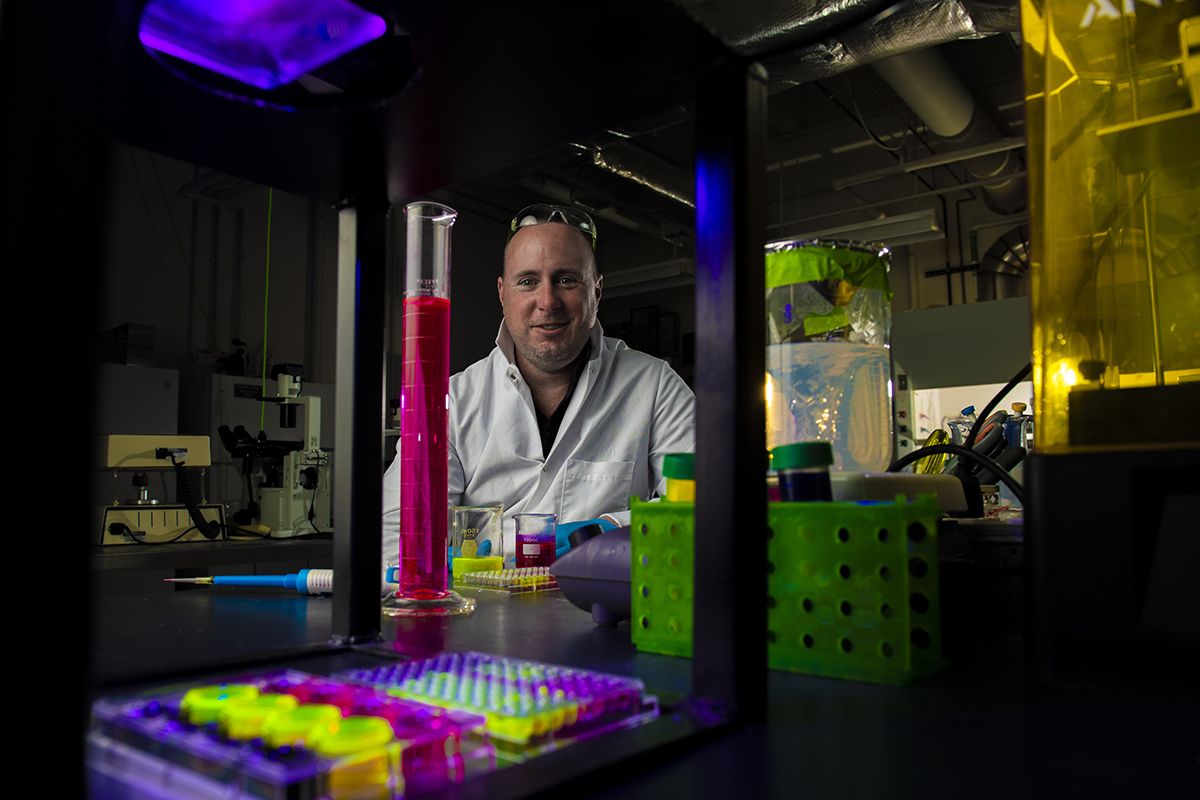
It may be decades before human organs can successfully be 3D-printed and transplanted, but Missouri S&T researcher Anthony Convertine, the Roberta and G. Robert Couch Assistant Professor of Materials Science and Engineering, has created a new type of nanomaterial that takes us one step closer.
Convertine and his colleagues have developed a water-synthesized material for 3D printing cells that's eco-friendly, faster, and more precise than traditional methods. It solidifies rapidly when exposed to light, ideal for 3D-printing cells with bioinks. This advancement aims to create complex tissues with capillaries for medical use, such as wound healing and targeted chemotherapy. What's unique is that it's solvent-free, produces no byproducts, and combines characteristics of glass and polymer materials.

Breathing the Future of Diagnostics
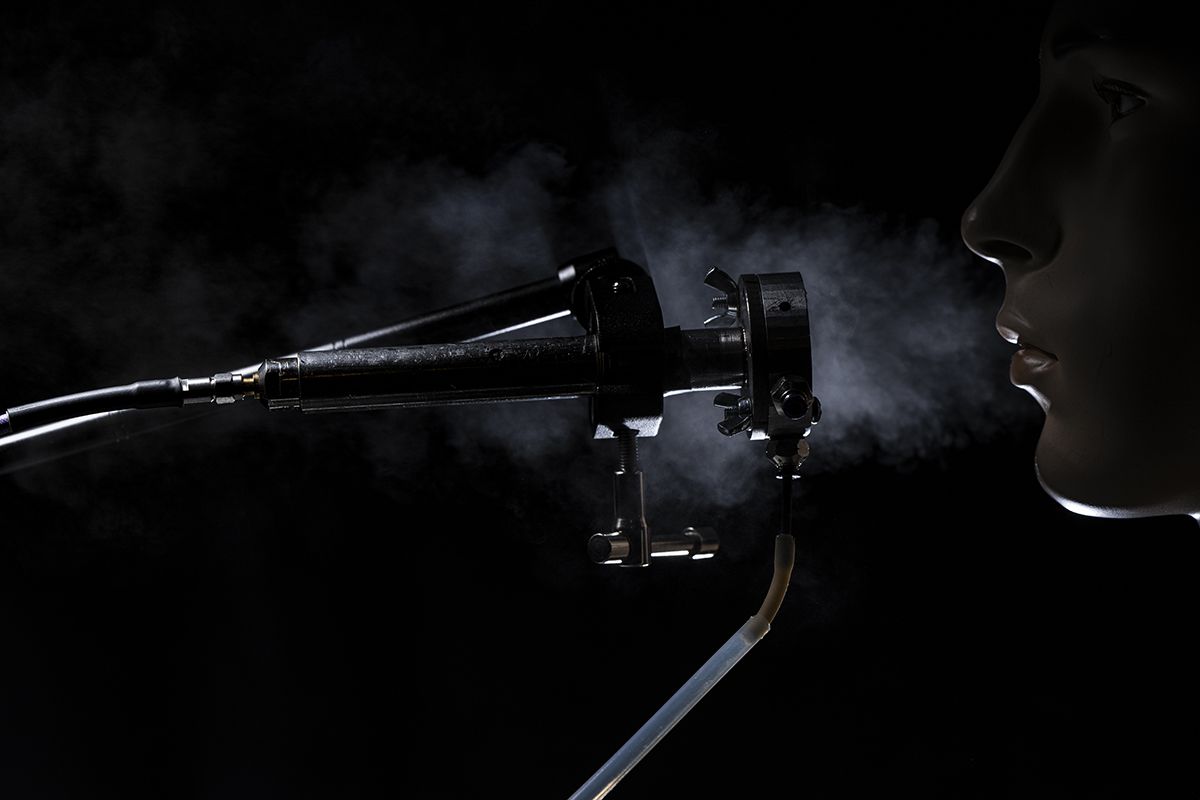
When an ill person schedules a doctor visit, bloodwork or other diagnostic testing is often needed before a physician can diagnose the problem. Jie Huang, the Roy E. Wilkens Endowed Associate Professor of Electrical Engineering at Missouri S&T, is developing a way to get the same results from a breath of air.
Huang and his team are developing a diagnostic tool that uses microwave sensors within a coaxial cable to analyze volatile organic compounds in a person's breath. They are ready for large-scale clinical trials, envisioning applications in detecting kidney disease, cancer, diabetes, and lung conditions. The system's high sensitivity allows for rapid disease detection by measuring specific compounds like acetone. It could also be used in crowded places like airports to identify contagious particles in breath profiles. This cost-effective technology, potentially under $1,000, could drastically change diagnostics compared to costly alternatives, thanks in part to prior funding from the National Institutes of Health.
AI: The Game Changer in Organ Transplants
With close to 100,000 people in the U.S. waiting for a kidney transplant and up to 20 percent of donated kidneys discarded for various reasons, fine-tuning the matchmaking between donated kidneys and transplant centers is a significant challenge. That’s why researchers at Missouri S&T are investigating the ways artificial intelligence can support the process.
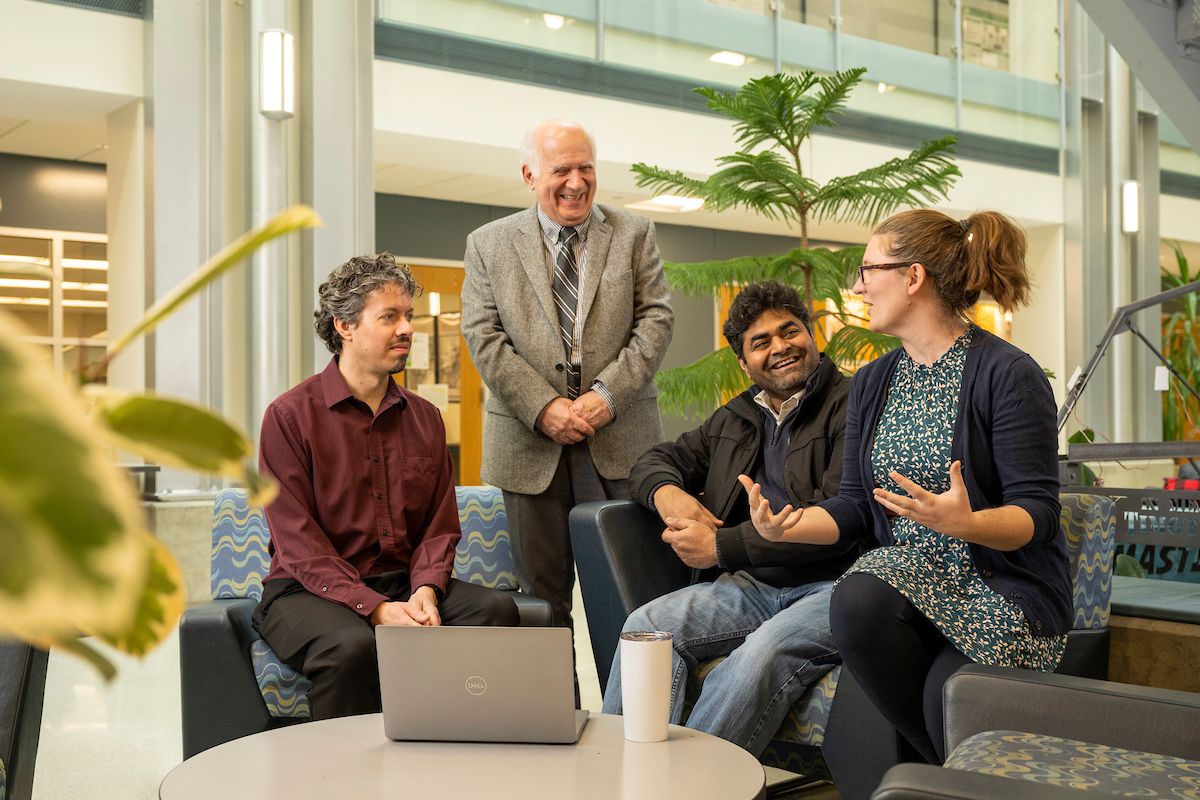
Assistant Professor Casey Canfield (pictured, far right) is leading a $1.8 million research project funded by the National Science Foundation to reduce kidney discard rates and improve transplant outcomes. It focuses on how surgeons decide whether to accept or reject a kidney offer and how organ procurement organizations find suitable transplant centers for challenging kidney cases. Delays and disagreements in this process can lead to kidney discard and patient complications. To address this, Canfield's team is developing an AI decision support system to enhance decision-making, increase fairness, and reduce risks in accepting kidneys.
Bioengineering: The Hope on Wheels
Access to medical specialists and customized cancer treatment often means a lengthy drive to a more urban area for people who live in rural areas. Missouri S&T Ph.D. candidate Alex Price has a solution.
Price, a medical physicist, is pursuing a Ph.D. in systems engineering at S&T. He's proposing a mobile radiation therapy unit, akin to mammogram vans, for rural areas. He is part of a team assessing the feasibility and challenges of such a unit through systems modeling and interviews with stakeholders. They aim to secure funding for a pilot program through the National Institutes of Health, with the goal of extending radiation therapy services to rural communities.
Quick facts - S&T’s leading research
Healing Burns with Spinach
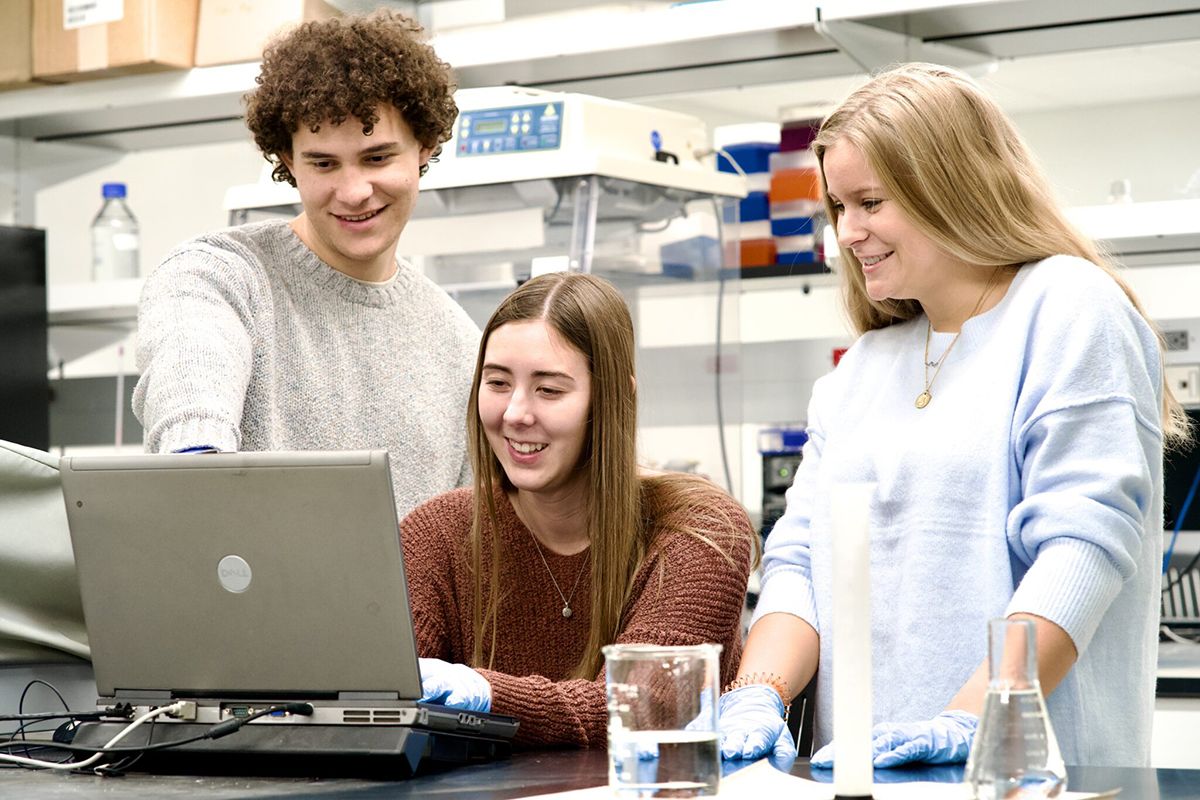
A team of three undergraduate students from Missouri S&T developed a way to use spinach leaves and stem cells to help burn patients and others with wounds that would require a skin graft. They call their invention Foliagraft.
What Can Worms Tell Us About Aging?
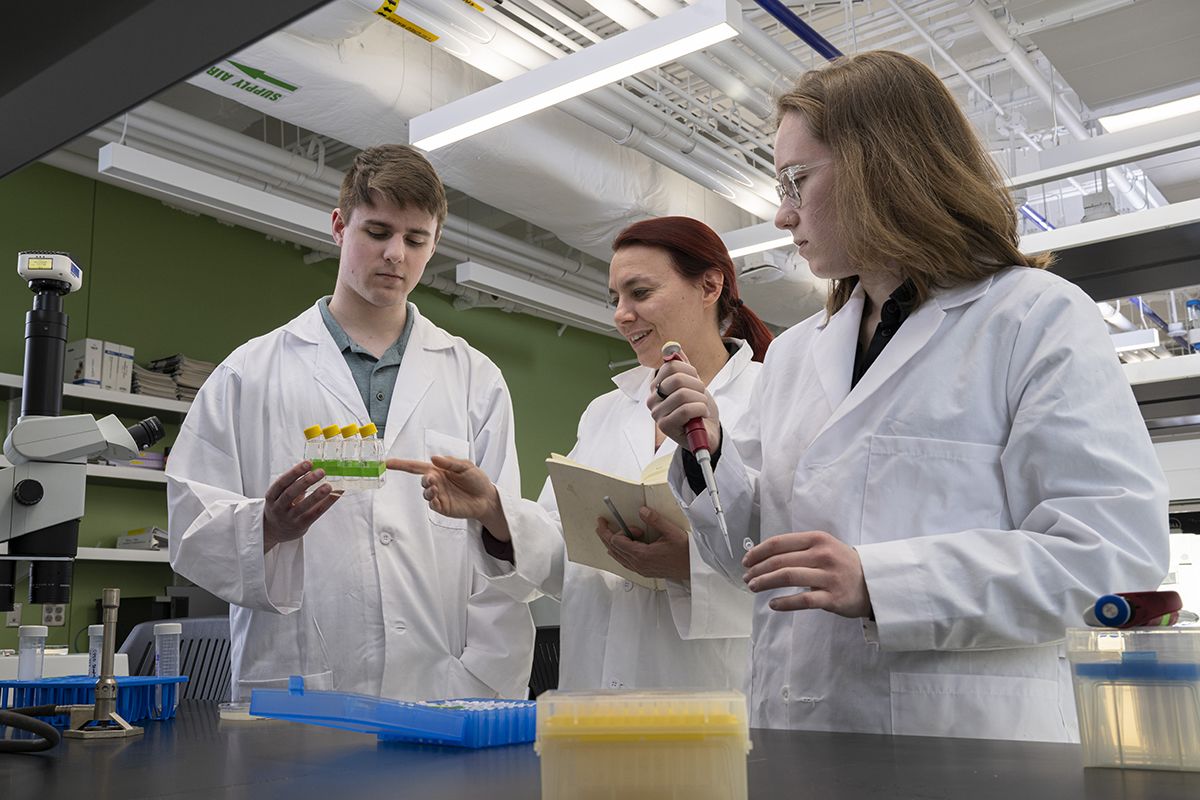
With age-related decline and disease affecting health care and the nation’s aging workforce, Missouri S&T students Erik Bergstrom and Molly Ripper (pictured with Assistant Professor Andrea Scharf) are researching the ways different reproductive and aging traits affect the way aging occurs.
Fighting Electric Vehicle Flames
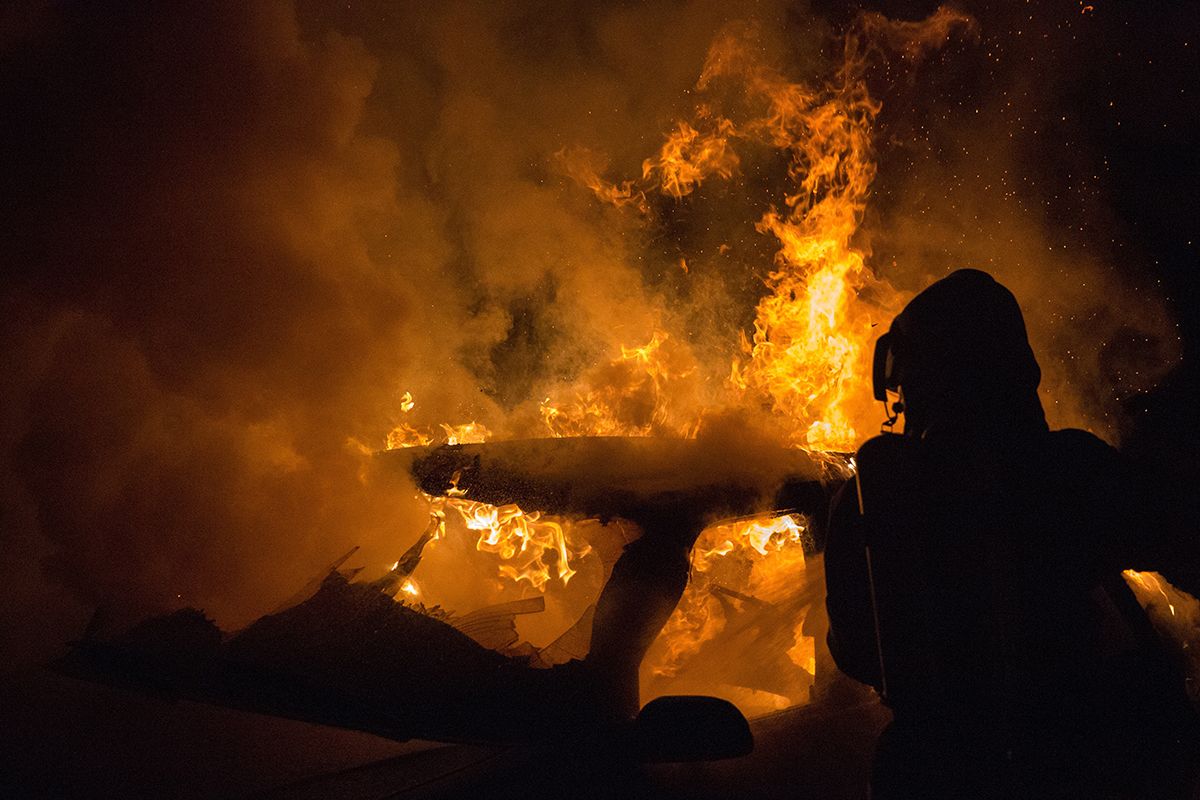
Like flames in the wall of a structure fire, fires in electric vehicle batteries burn unseen. Firefighters can squelch the visible flames, but chemicals inside the battery continue to burn because firefighters can’t reach their source. Missouri S&T researchers are finding ways to plan for and mitigate these fire risks.
Changing the Landscape for Local Utilities
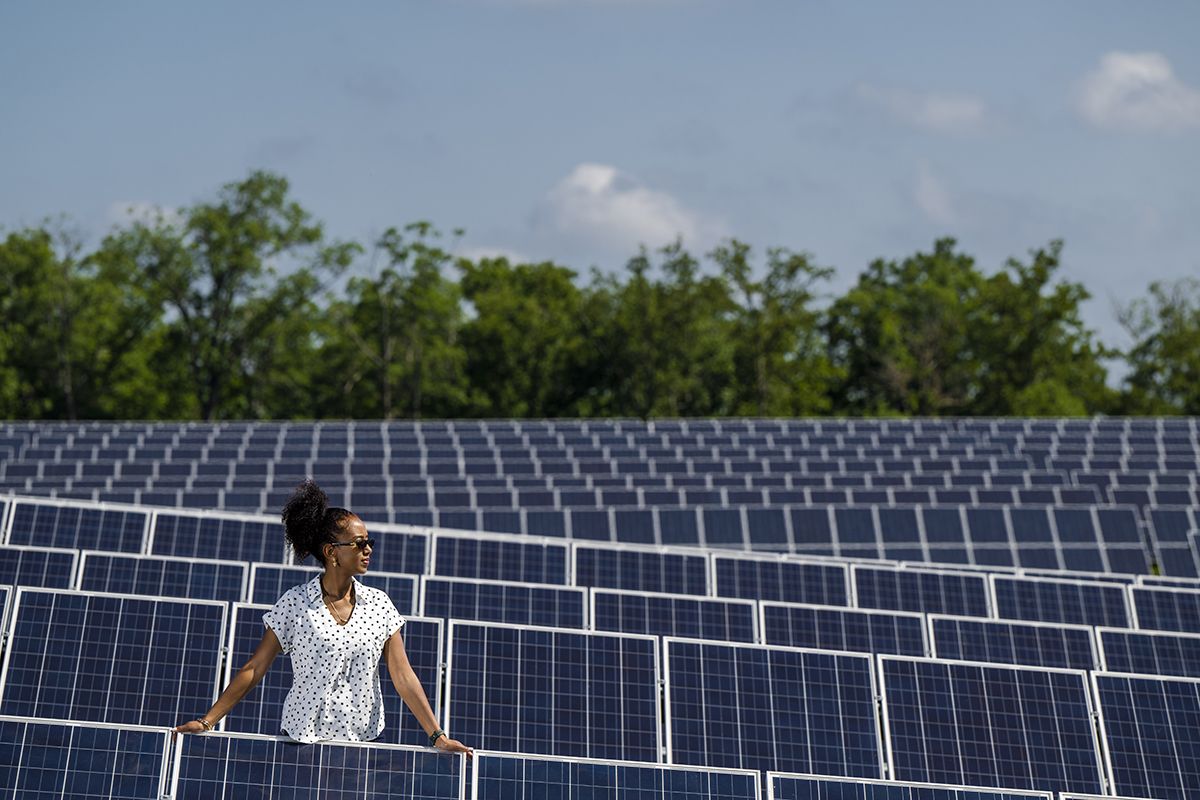
More businesses and households are using solar panels to generate their own electricity and selling the surplus power back to utility companies. This could cause company profits to drop and force utilities to consolidate. Changes in renewable energy integration and regulatory changes could also lead to shrinking profits and consolidations.


This content was paid for and created by Missouri University of Science and Technology. The editorial staff at The Chronicle had no role in its preparation. Find out more about paid content.
 Built with Shorthand