



Reimagining Higher Education for a New Era
By Antonio Merlo, PhD, President of Drexel University
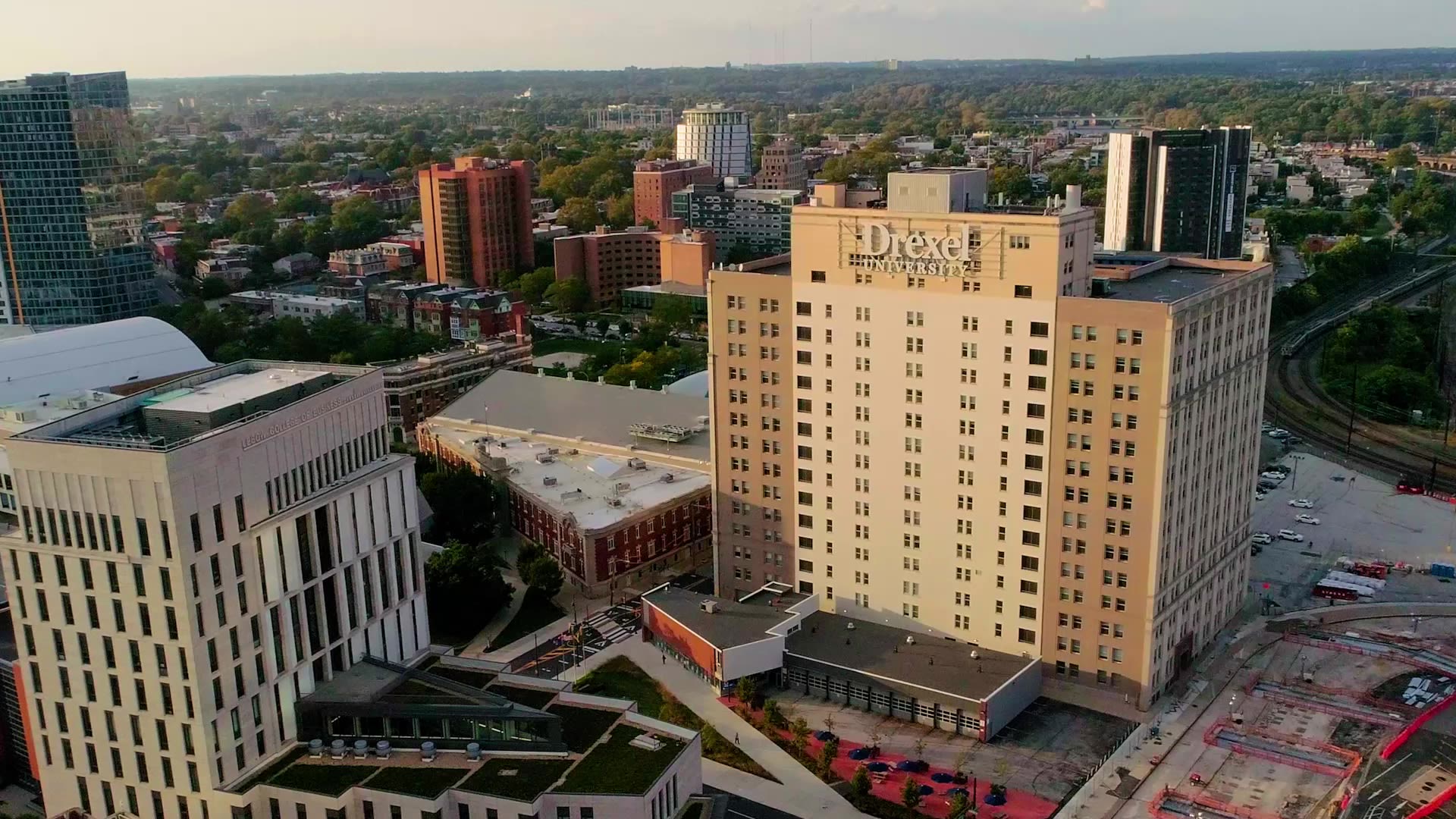

The challenges facing colleges and universities are real, but so are the opportunities. At Drexel, we are using this moment to transform our academic model and double down on experiential education, our core differentiator.
Higher education in America is confronting a period of rapid and uneven disruption, forcing institutions to reconsider long-standing assumptions about their missions, their models, and their futures. For generations, colleges and universities have been among the nation’s most durable economic and civic anchors, and they will continue to be if we as leaders rise to meet this moment. That requires more than reacting to change; it demands a bold reimagining of what our institutions can become.
At Drexel University in Philadelphia, we have placed on our “academic entrepreneur” hats and jumped headfirst into innovation. Before my arrival as president in July 2025, our University community developed a multi-year initiative — Academic Transformation — that fundamentally rethinks our academic model and curriculum. Through this effort, we are offering more flexibility, more interdisciplinarity, and sharpening what makes Drexel distinct. This is no time for any institution to rest on its laurels, and we take that charge seriously. Simultaneously, we are strengthening what we do that works, which is, most notably, our enduring dedication to experiential education.
Leadership in this era demands agility, courage, strategic vision, and an unwavering commitment to placing the evolving needs of students and society at the center of every decision we make.
Meeting Higher Education’s Moment
Headlines about higher education too often focus on obstacles. Declining enrollment, affordability concerns, and public skepticism are real and pressing issues — compounded by the rapid emergence of powerful artificial intelligence tools that are reshaping teaching, learning, and career pathways. Yet framing these forces only as crises limits the conversation. Effective leaders must instead recast them as catalysts for innovation and renewal.
The central question becomes: How can institutions leverage this moment to strengthen their distinct advantages? Many universities are finding the answer lies in doubling down on their core differentiators, whether research excellence, community engagement, or career preparation. At Drexel, experiential education, in which we bridge classroom theory with real-world practice, has been our defining feature for more than a century.
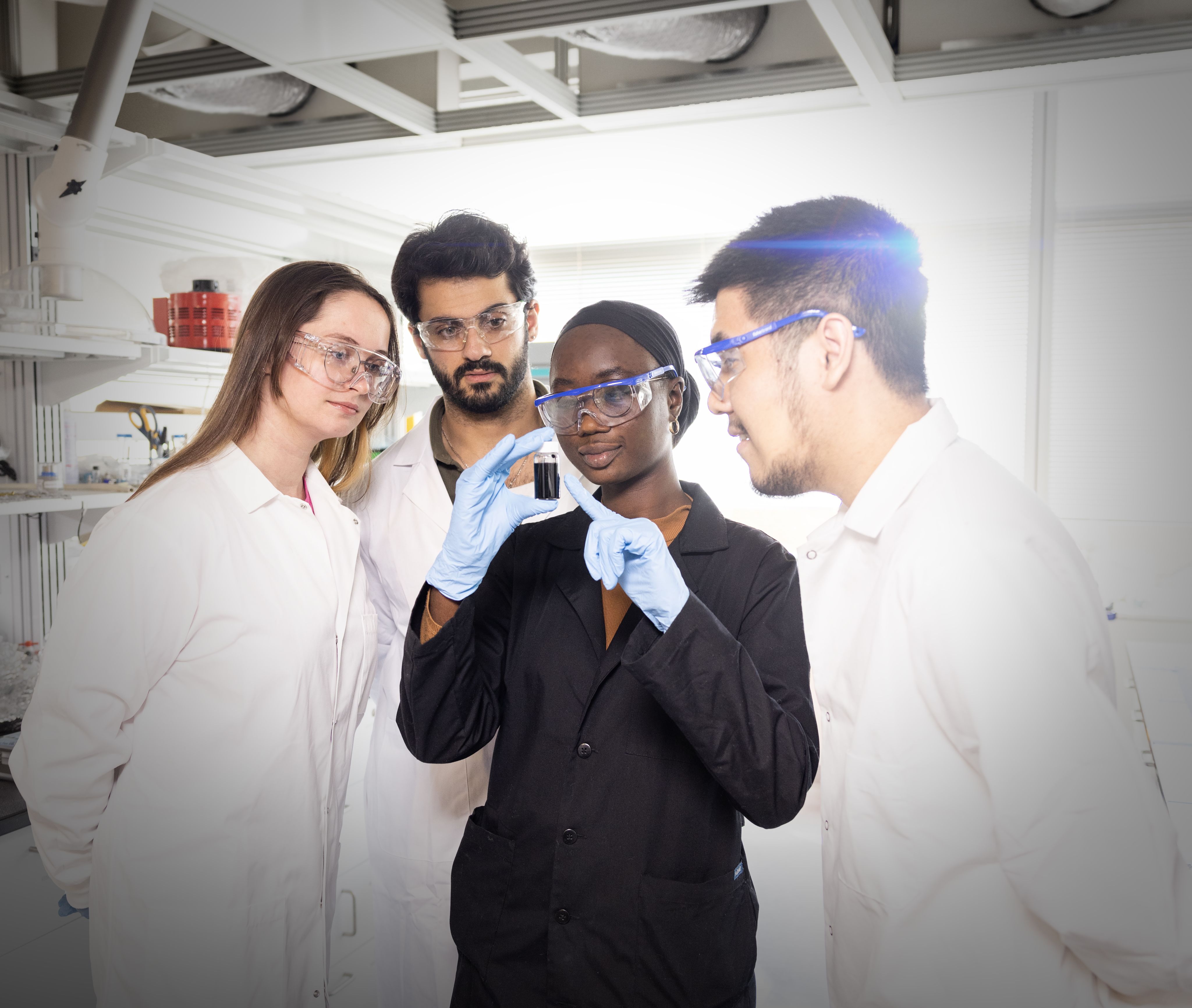
Cooperative (co-op) education is familiar to many, but its relevance continues to grow. In a labor market defined by uncertainty and rapid shifts in required skills, work-integrated learning offers opportunities for experimentation, meaningful preparation, and clear pathways to employment.
At Drexel, our student success numbers bear this out. Nearly all our students participate in co-op or an experiential learning opportunity, and about half get a job offer from their co-op employer. Within a year of graduation, 96% are employed or enrolled in graduate school, and our employer partners consistently report that Drexel students are not only well-prepared for work but that they would consider hiring them. Our graduates are among the top 3% in lifetime earnings and make 6% more than the national average within a year of graduation. These outcomes matter not only for recruitment but for institutional accountability to the students and families who are carefully evaluating the return on their investment in higher education.
Our challenge, and our opportunity, is to effectively communicate the unique runway toward successful careers we provide our students, and to ensure our academic infrastructure can best support them as they explore interests, test academic paths, and chart their course toward a degree, rewarding future, and fulfilling life.


Student Success at the Forefront
Today’s college students face mounting financial pressures and an uncertain labor market. Making sure their time at a university or college is worthwhile, efficient, supported, and intellectually compelling is therefore essential. At Drexel, our Academic Transformation initiative represents a once-in-a-generation opportunity to place student success — more deliberately and systematically than ever before — at the center of our academic mission.
In our earliest stages of implementing Academic Transformation, we have already begun aligning academic offerings to optimize the Drexel student experience, making the ability to access and explore academic paths more flexible. We are also preparing to transition from our known quarter system to one that is semester-based to increase our opportunities for collaboration with other institutions of higher learning and co-op partners.
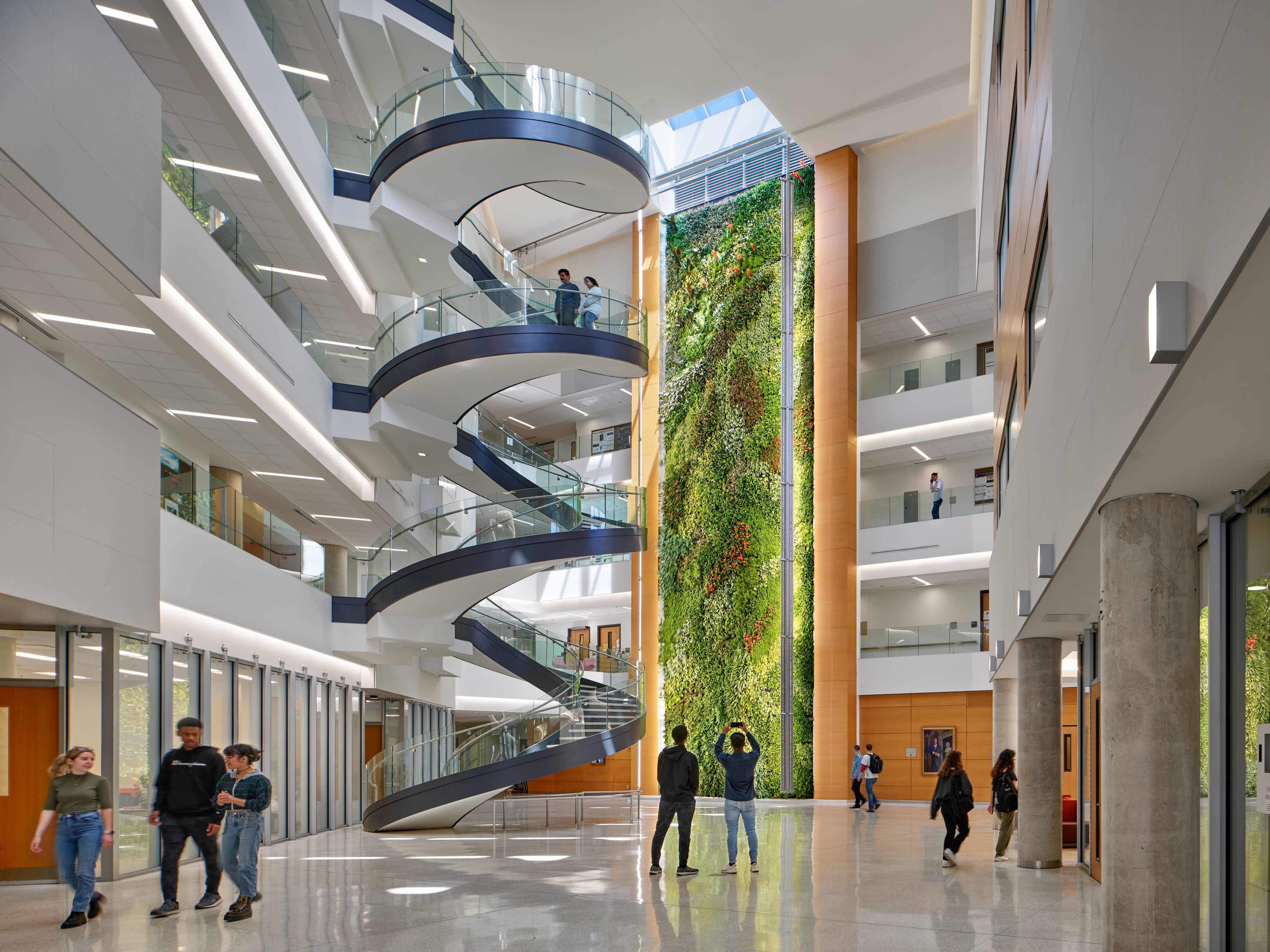
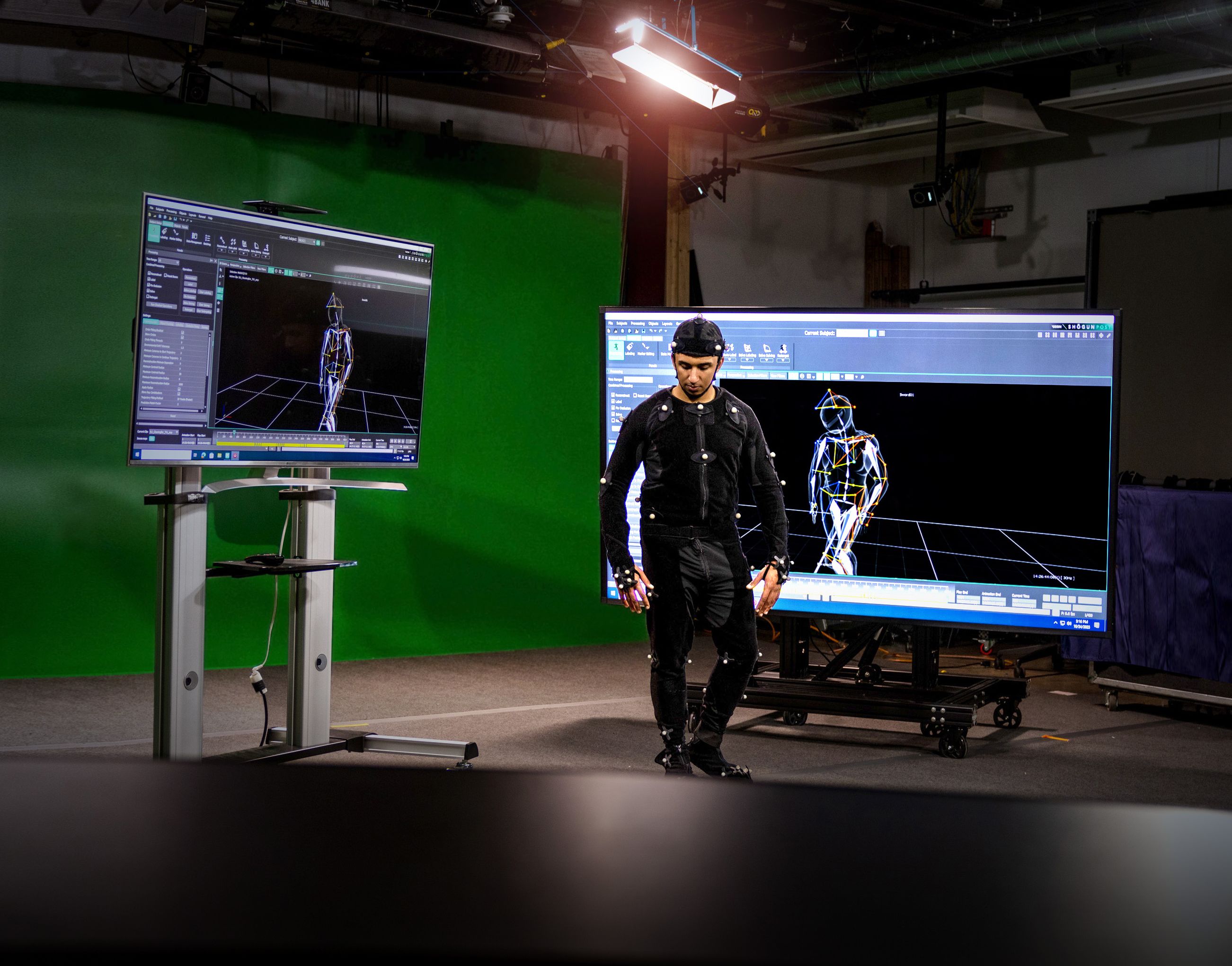
Additionally, we are undertaking a comprehensive overhaul of our curriculum. Every academic unit within our University is being re-envisioned and strengthened to elevate learning outcomes and better prepare graduates for emerging fields. This effort includes incorporating three core competencies across all Drexel programs: Inquire and Analyze, Collaborate and Integrate, and Apply and Engage. These competencies help to ensure every student develops the critical thinking, problem-solving, and adaptability skills needed for the workplace of today — and tomorrow. At the same time, we are infusing project-based learning and hands-on experience in every corner of our University.
Drexel has long understood innovation to be a responsibility. From its founding, the University was built with the expectation that it would evolve alongside a changing world. Academic Transformation renews that early promise at a moment when reinvention is no longer optional for most institutions — it is essential.


Leading with Agility and Transparency
In my first year at Drexel, I have paired my formal responsibilities with an extensive campus-wide listening tour. Each month, I lead office hours with groups of faculty, staff, and students. I am also meeting directly with teams across all our departments and attending as many campus events as possible.
I’ve made this engagement a priority because meaningful, lasting change — of the kind we are undertaking at Drexel — depends on trust. And trust is built through sustained openness, accessibility, and responsiveness. In moments of uncertainty, our shared values serve as our north star, offering the clarity we need for thoughtful, principled decision-making.

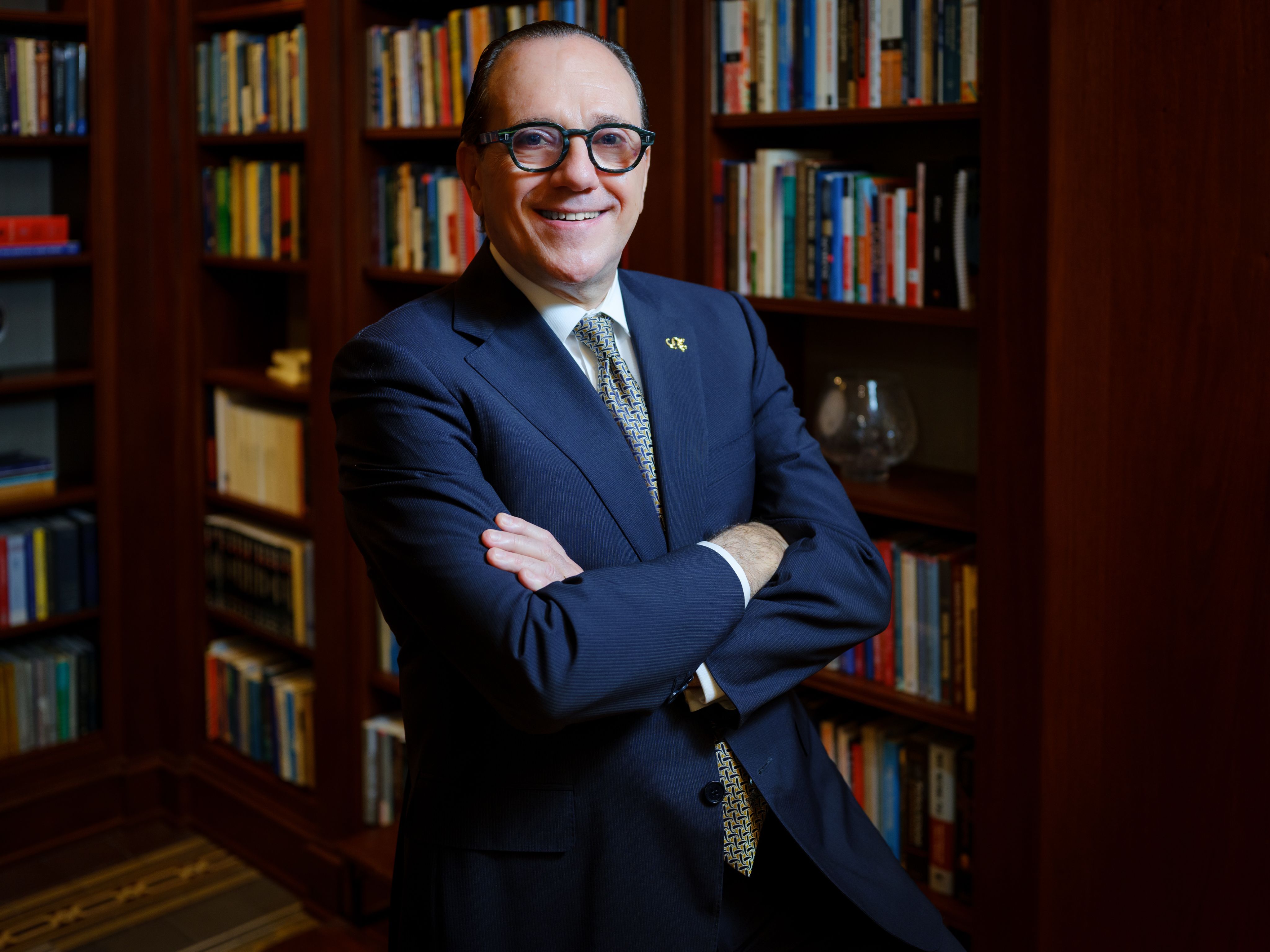
Antonio Merlo is Drexel University’s 16th presidentnokjlkkj kmlkml;mkj kmlkml;l;ml
Looking Ahead
The role of the university president is evolving as rapidly as the institutions we lead. Our charge today is to reexamine long-standing models, anticipate change, and guide our campuses through transformation with clarity, confidence, trust, and courage.
Institutions that embrace this moment with intention, urgency, and imagination will not only survive but help shape the next era of higher education. That future must be student-centered, mission-driven, and open to continual reinvention.
Leading with Agility and Transparency
In my first year at Drexel, I have paired my formal responsibilities with an extensive campus-wide listening tour. Each month, I lead office hours with groups of faculty, staff, and students. I am also meeting directly with teams across all our departments and attending as many campus events as possible.
I’ve made this engagement a priority because meaningful, lasting change — of the kind we are undertaking at Drexel — depends on trust. And trust is built through sustained openness, accessibility, and responsiveness. In moments of uncertainty, our shared values serve as our north star, offering the clarity we need for thoughtful, principled decision-making.
Antonio Merlo is Drexel University’s 16th presidentnokjlkkj kmlkml;mkj kmlkml;l;ml
Looking Ahead
The role of the university president is evolving as rapidly as the institutions we lead. Our charge today is to reexamine long-standing models, anticipate change, and guide our campuses through transformation with clarity, confidence, trust, and courage.
Institutions that embrace this moment with intention, urgency, and imagination will not only survive but help shape the next era of higher education. That future must be student-centered, mission-driven, and open to continual reinvention.



This content was paid for and created by Drexel University. The editorial staff of The Chronicle had no role in its preparation. Find out more about paid content.
 Built with Shorthand