



Co-Creating Community:
An Innovative Approach to Healing Divided Societies
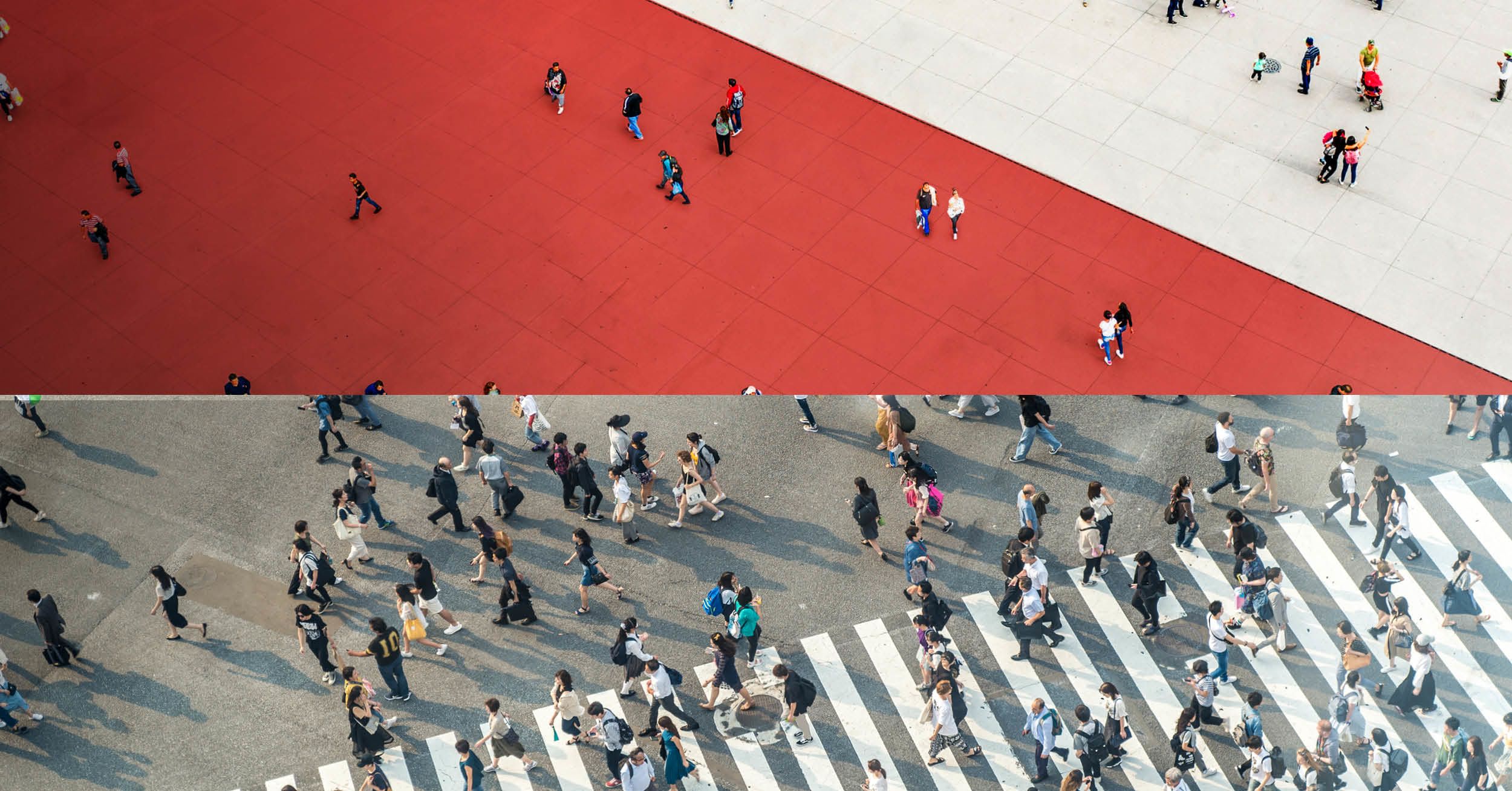

Researchers at Queen's University Belfast are pioneering innovative approaches to heal divided societies, from shared education initiatives to collaborative history projects. These groundbreaking methods offer a blueprint for fostering cohesion in conflict-affected regions worldwide.
The importance of confronting the past in divided societies is how researchers at Queen’s University Belfast are bridging divides in post-conflict societies. By engaging communities in co-creating their histories, researchers are contributing to the transformation of divided societies into more cohesive communities.
Professor Olwen Purdue's research focuses on the impact of engaged public history in divided societies. Working with museums and communities in Northern Ireland, Jordan, and the US, she is exploring ways to engage diverse audiences in co-producing their own pasts and those of others.
Professor Purdue's work with the Public Record Office of Northern Ireland is particularly noteworthy. The collaborative oral history project focusing on life around Belfast's peace walls is creating a shared archive that bridges communities traditionally separated by physical and ideological barriers. This initiative not only preserves valuable historical information but also promotes cross-community understanding and dialogue.
The impact of this research is fostering tangible change in communities affected by historical divisions. By engaging diverse groups in co-creating historical narratives, the research is helping to break down entrenched binary perspectives that have long dominated Northern Irish society.
The Queer Northern Ireland Project


The Queer Northern Ireland project is similarly impactful, bringing to light previously marginalized LGBTQ histories. By partnering with artists and community groups, this research is expanding public awareness of Northern Ireland's diverse past, challenging narratives of the region's history. This AHRC-funded Queer Northern Ireland project, led by Drs Tom Hulme and Maurice Casey, has highlighted forgotten histories of LGBTQ life in Northern Ireland from the 1880s to the 1980s, providing audiences with a greater sense of the diversity of the Northern Irish past. The project is developing partnerships with artists and community groups to share histories of queer identity more broadly.
Confronting Historical Institutional Abuse


Professor Sean O'Connell's research on Magdalene laundries and mother and baby homes has had perhaps the most direct policy impact. By informing the creation of a Truth Recovery Independent Panel and providing evidence for a Public Inquiry, this work is contributing to a process of confronting historical institutional abuses. It demonstrates how academic research can directly influence governmental actions and societal healing processes in post-conflict contexts.
A key recommendation was the establishment of an integrated truth investigation, comprising two main components: an Independent Panel of experts and survivors, and a comprehensive Public Inquiry. In line with these recommendations, the non-statutory Independent Panel was appointed on April 27, 2023. This panel is designed to run parallel to the Public Inquiry, offering a unique platform for those directly affected by these institutions and practices. It provides survivors with an opportunity to share their testimonies in a supportive, non-adversarial environment.
Communicating and Understanding the Past


Researchers at the Centre for Public History at Queen's University are investigating how the past is communicated to and understood by public audiences, particularly in contexts where histories are contested, traumatic, or used to reinforce division. In deeply divided societies, history can be seen as part of the problem, often used to perpetuate division or reinforce views of the past.
Such collaborative public engagement ensures that more nuanced historical narratives are jointly told both by academics who research this history and by those who shaped it and live with its contemporary legacies. This approach is crucial in transforming divided societies into cohesive communities, offering a model that can be applied both locally and globally.


This content was paid for and created by Queens University Belfast. The editorial staff of The Chronicle had no role in its preparation. Find out more about paid content.
 Built with Shorthand