



Breaking Dementia Barriers
How UQ is fighting back against Australia’s leading cause of death
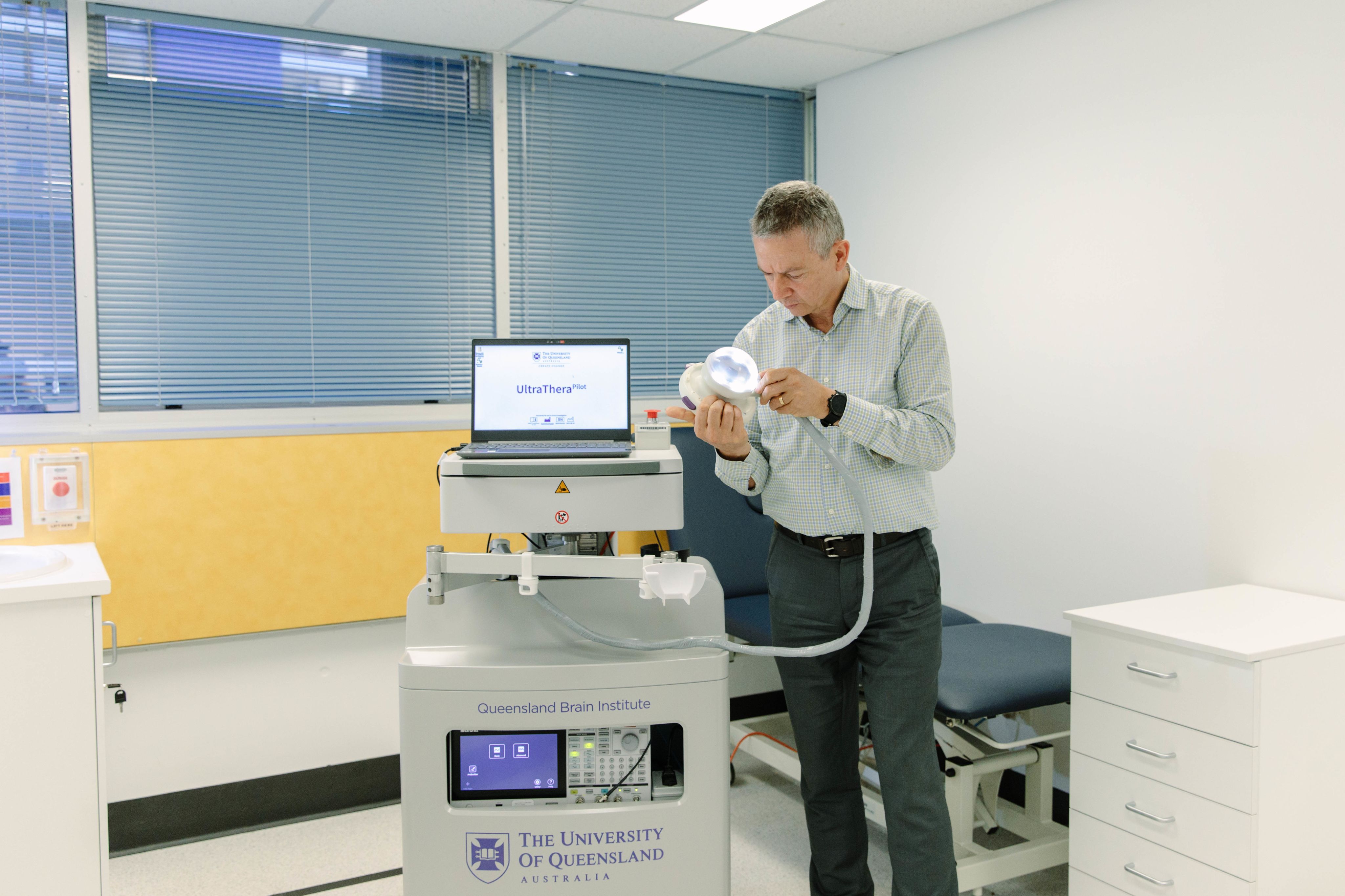

As dementia overtakes heart disease as Australia’s leading cause of death, promising scanning ultrasound therapy developed at The University of Queensland could advance treatment options for the devastating neurodegenerative brain disorder.
The technology uses targeted pressure waves from sound to help the brain increase neuronal signaling and connectivity in people with Alzheimer’s disease – the most common type of dementia.
“The non-invasive therapy restores memory and cognition by enhancing communication between brain cells,” UQ’s Foundation Chair of Dementia Research Professor Jürgen Götz said.
“When used as a transient blood-brain barrier-opening tool, ultrasound also targets and clears the build-up of toxic amyloid and Tau proteins by activating the brain’s intrinsic clearance mechanism.
“The treatment has potential across multiple neurological disorders including frontotemporal dementia, amyotrophic lateral sclerosis, disorders caused by brain tumors and mental illnesses.
“Given that ultrasound can be used non-invasively to safely and transiently open the blood-brain barrier, it can furthermore deliver therapeutic agents which either do not enter the brain at all or do so at very low levels – as is the case for therapeutic antibodies.”

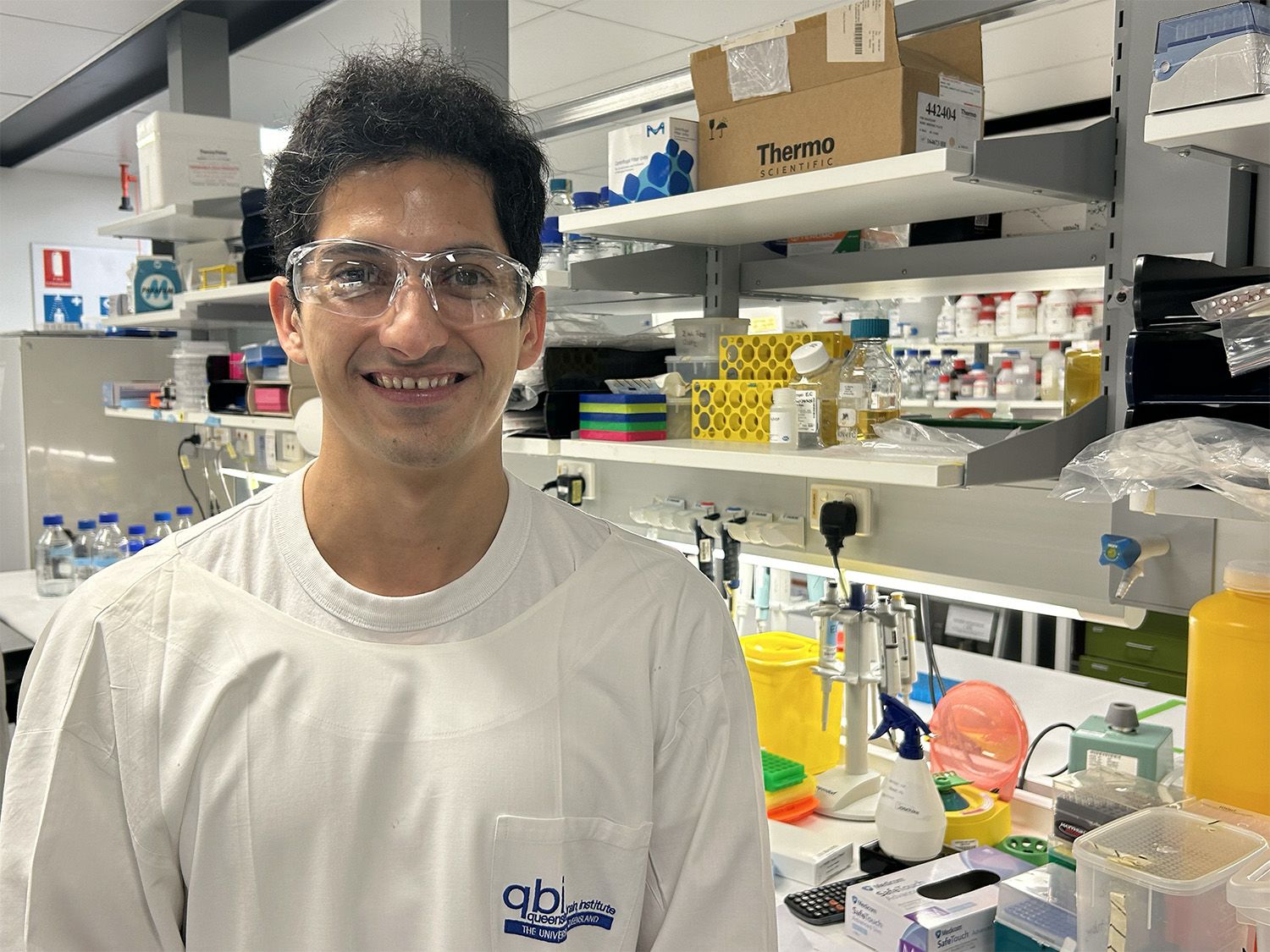
Dr Esteban Cruz Gonzalez from UQ’s Queensland Brain Institute.
Dr Esteban Cruz Gonzalez from UQ’s Queensland Brain Institute.
Professor Götz and his colleague Dr Esteban Cruz Gonzalez at UQ’s Queensland Brain Institute’s (QBI) Clem Jones Centre for Ageing Dementia Research have also generated a promising Tau antibody as a potential immunotherapy treatment that targets harmful protein aggregates in Alzheimer’s disease and restores protein balance.
Alzheimer's disease has two major hallmark signs that appear in the brain – amyloid plaques and Tau tangles – that are toxic and cause many cellular processes to be dysregulated.
In a study published in Brain, the researchers generated and tested a novel Tau antibody, RNJ1, in mice with Alzheimer’s-like disease. This new antibody was benchmarked against the clinically tested Tau antibody tilavonemab and improvements in motor function and Tau build-up were carefully tracked.
Both antibodies demonstrated a reduction in Tau pathology following 14 weekly treatments, but the RNJ1 antibody was superior in restoring behavioral functions and inducing widespread changes in many other proteins, suggesting that the treatment helped rescue various cellular processes affected by Tau.
A key point of the study was a thorough analysis of over 6,000 proteins and their activity levels in normal mice, mice with Alzheimer’s-like disease, and those treated with the antibodies.
Dr Cruz said the findings revealed a key aspect in achieving a successful treatment outcome and highlighted its potential to significantly change the course of the disease.
“This detailed examination allowed us to identify many cellular processes affected by the Tau protein. We found that antibody treatment helped restore the balance of proteins in the brain, and this restoration was linked to the effectiveness of the treatment.”
While there are currently three antibodies recently approved for Alzheimer's disease that target amyloid plaques, several Tau-targeting antibodies are still in clinical development and have not yet been approved for clinical use.
Professor Götz said using low-intensity scanning ultrasound in conjunction with this new antibody may further improve therapeutic outcomes, highlighting the potential to integrate pharmacological and nonpharmacological approaches for Alzheimer’s disease treatment.
The team’s ultrasound technology has since been licenced to a startup spun out of the University and progressed towards clinical use by Ceretas, formed by UQ’s commercialisation company UniQuest in partnership with early-stage investors and co-founders Ryan Laws and Sam Wetzler.

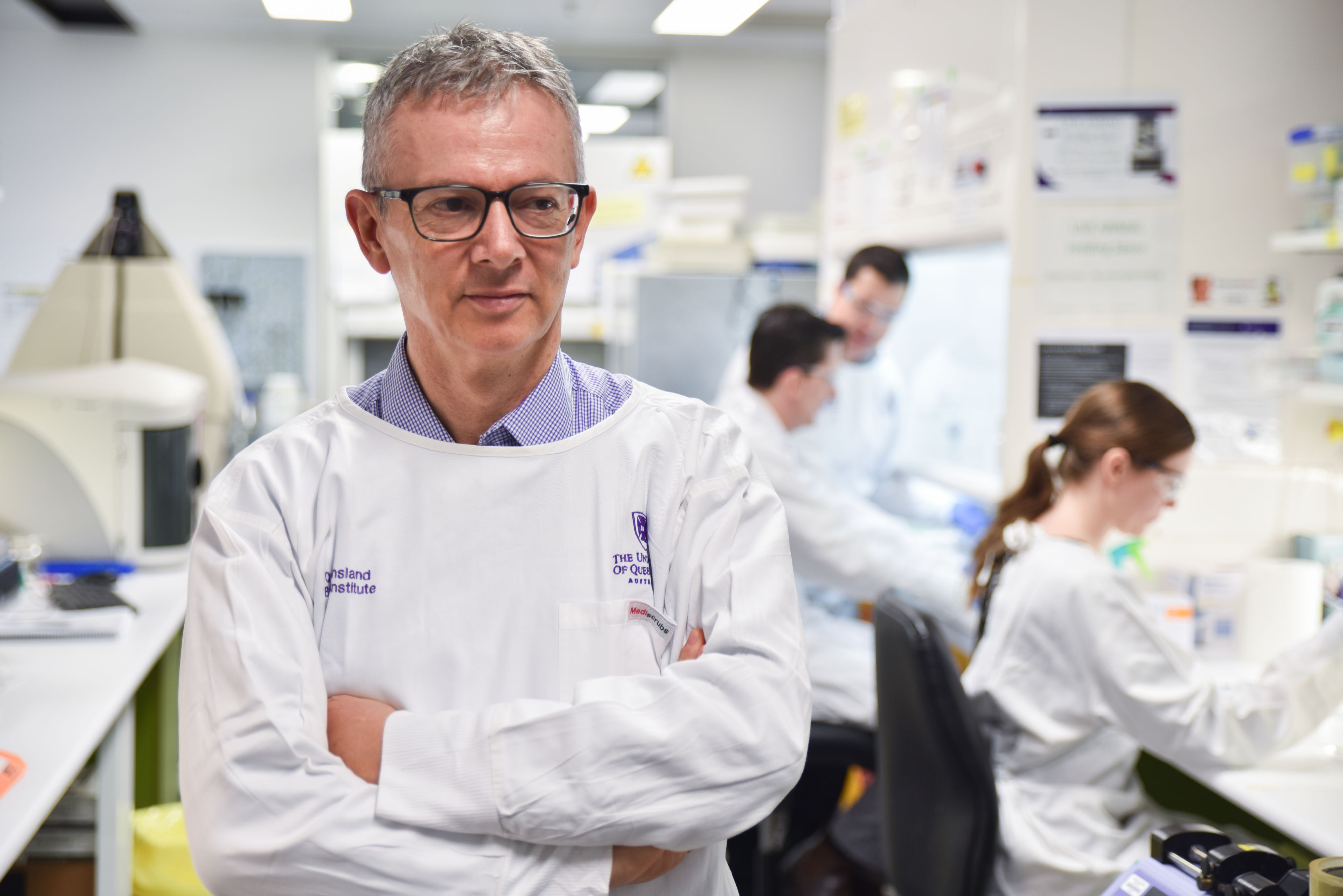
Professor Jürgen Götz with the scanning ultrasound therapy developed at The University of Queensland.
Professor Jürgen Götz with the scanning ultrasound therapy developed at The University of Queensland.
Unlocking More Secrets Behind Neurodegenerative Brain Disorders

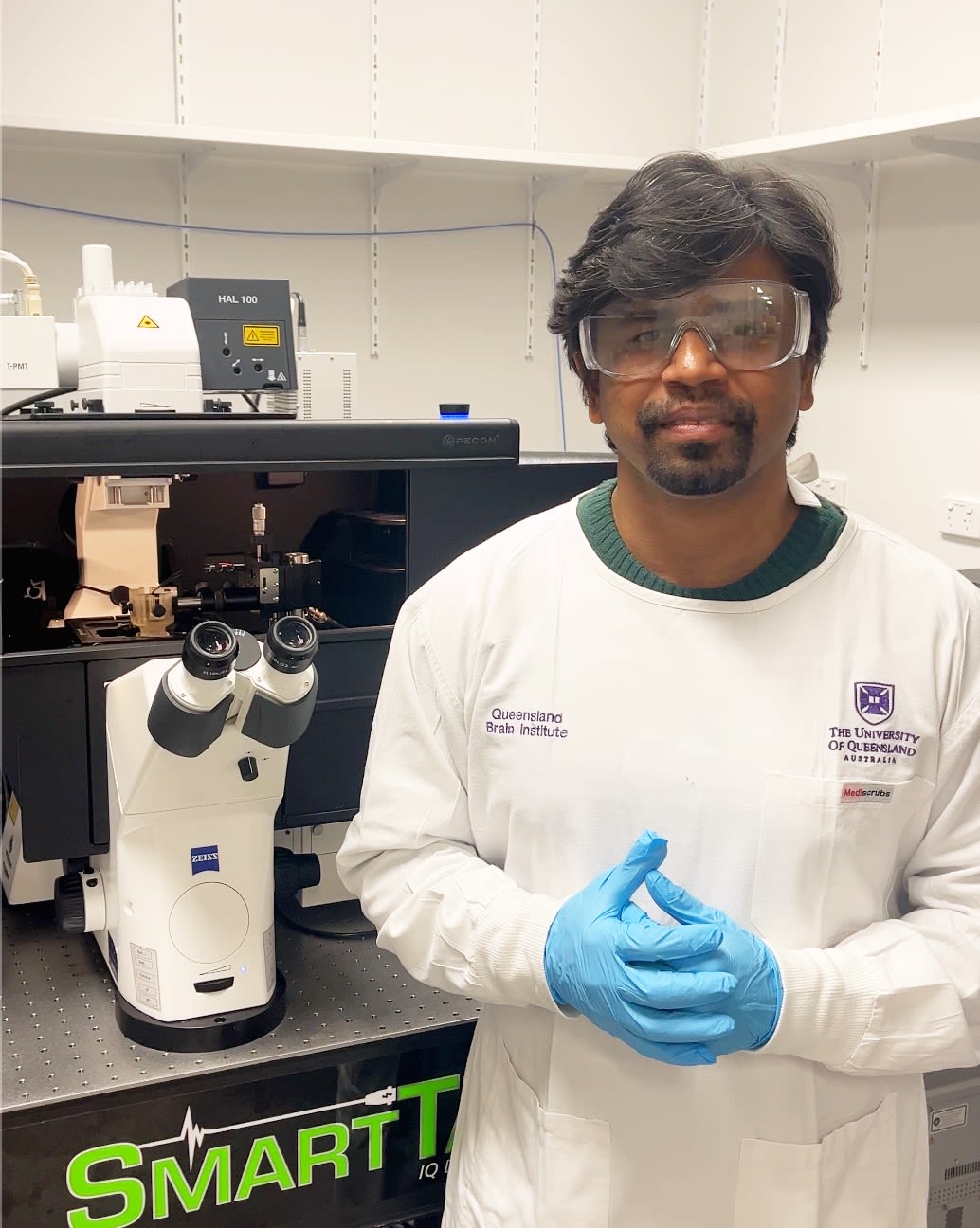
Dr Pranesh Padmanabhan, who's team has developed a new device that allows real-time observation of individual cells in culture after ultrasound treatment.
Dr Pranesh Padmanabhan, who's team has developed a new device that allows real-time observation of individual cells in culture after ultrasound treatment.

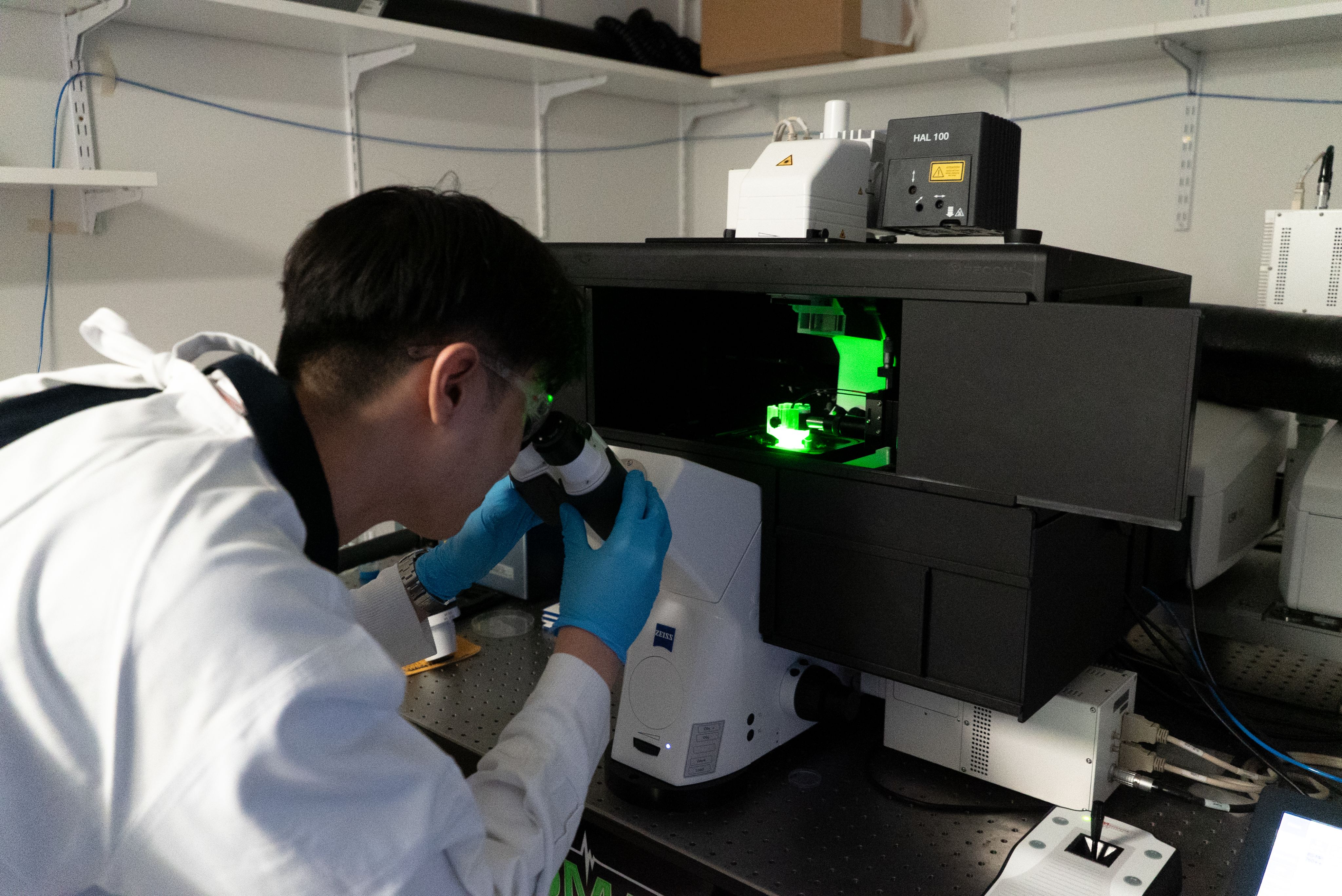
While scientists are yet to fully understand how scanning ultrasound therapy opens the blood-brain barrier to assist with drug uptake, Dr Pranesh Padmanabhan at UQ’s School of Biomedical Sciences and QBI is using advanced microscopy techniques to investigate an underexplored mechanism known as sonoporation, by which ultrasound creates pores and tunnels to allow drugs to enter cells.
Dr Padmanabhan and his team have developed a new device that allows real-time observation of individual cells in culture after ultrasound treatment.
Developed over 5 years, the device provides crucial information for how a model drug enters a cell in response to ultrasound.
“The blood-brain barrier prevents most drug uptake into the brain,’’ Dr Padmanabhan said.
“However, the custom-built device will examine sonoporation-based drug delivery, which involves ultrasound-based treatment combined with injected ‘microbubbles’.
“In this process, sound waves interact with the microbubbles, causing them to vibrate and exert force on the blood-brain barrier to create a tiny pore at the cell surface.
“The device will allow researchers to identify and map changes in treated cells and observe how they respond and recover.”
The research has been published in the Journal of Controlled Release, and Dr Padmanabhan said the device will enable scientists to understand how ultrasound-based treatments work at the single-molecule and single-cell levels,’’ he said.
“Insights will help inform ultrasound treatment protocols and establish a balance where uptake of drugs into the brain is effective, yet still safe.”
Fellow UQ scientists are also leading the way in potential treatments for other neurodegenerative brain disorders that have remained elusive for more than a century.
At the Neuroinflammation Laboratory within UQ’s School of Biomedical Sciences, a team led by Professor Trent Woodruff is developing a promising new anti-inflammatory drug that could accelerate treatments for Parkinson’s disease.
And, for the first time, the team is using advanced imaging to watch their effects unfold inside the living brain.
Parkinson’s disease is one of the fastest-growing neurodegenerative disorders with no effective treatments to modify its progression, however tests in mice models showed the new-generation oral drugs blocked inflammation in the brain and helped improve motor and cognitive function.
Dr Eduardo Albornoz Balmaceda from the School of Biomedical Sciences said inflammation progressively damages the neurons that produce dopamine – the chemical which controls movement.
“Our study showed one of these drugs, which targets part of the immune system called ‘inflammasomes’, reduced brain inflammation and prevented the disease from killing more neurons, therefore stopping its progression.
“What’s most exciting is we could see these changes happening in the living brain using advanced simultaneous positron emission tomography (PET) and magnetic resonance imaging (MRI), performed within UQ’s Centre for Advanced Imaging.
“This imaging approach gives us a safe and powerful tool to track and target engagement and disease progression, which is essential for designing future human clinical trials.”


This content was paid for and created by The University of Queensland. The editorial staff of The Chronicle had no role in its preparation. Find out more about paid content.
 Built with Shorthand