



3 Ways to Boost Student Success From Enrollment to Post-Grad
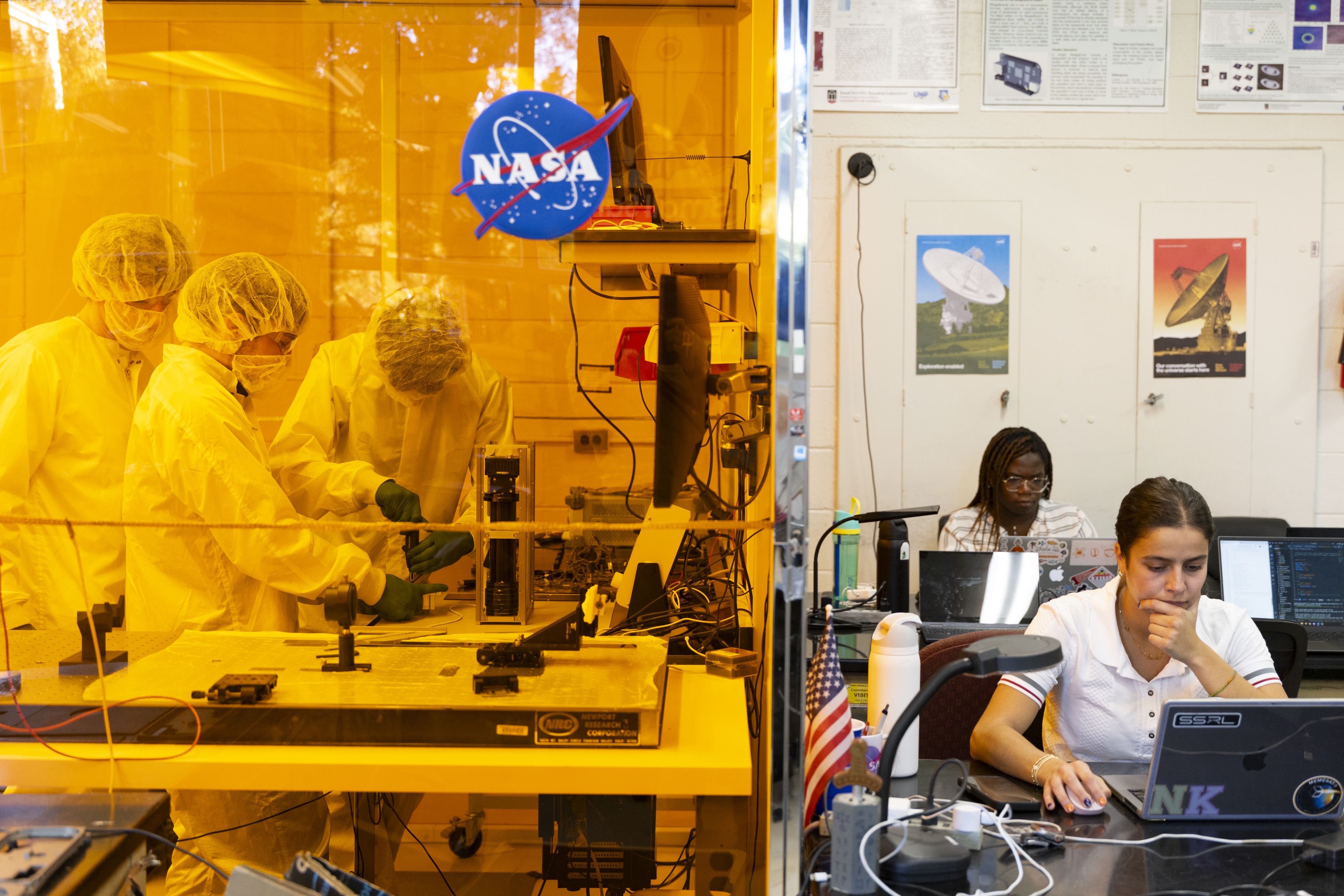

Student success is more than a catchphrase, buzzword, or a single metric. But what is it, exactly? At the University of Georgia, we define student success with a holistic view of students’ academic achievement, well-being, professional development, return on investment, and whatever contributes to their personal, professional, and academic growth.
To promote success in all areas, we’ve found that a structured, progressive approach works best, one that considers each phase of the student journey and builds programming to meet their needs over time.
With this approach, UGA has reached a 94% first-year student retention rate; a 90% six-year graduation rate (something only nine other public universities have accomplished); corresponding growth in retention and graduation rates for specific cohorts like first-generation, rural, and Pell-eligible students; and a 93% career-placement rate after graduation.
While every higher education institution should adapt to their student body’s unique needs, here’s how student success works at UGA.
1. Actively Help Students Plug In
To ensure long-term success, educators first need to consider students’ initial hours, days, and weeks at their university. During this critical transition period in their lives, educators set the stage for the future.
First-Year Engagement
To foster engagement and a lifelong love of learning, even large research institutions should encourage new students to connect with faculty members and peers.
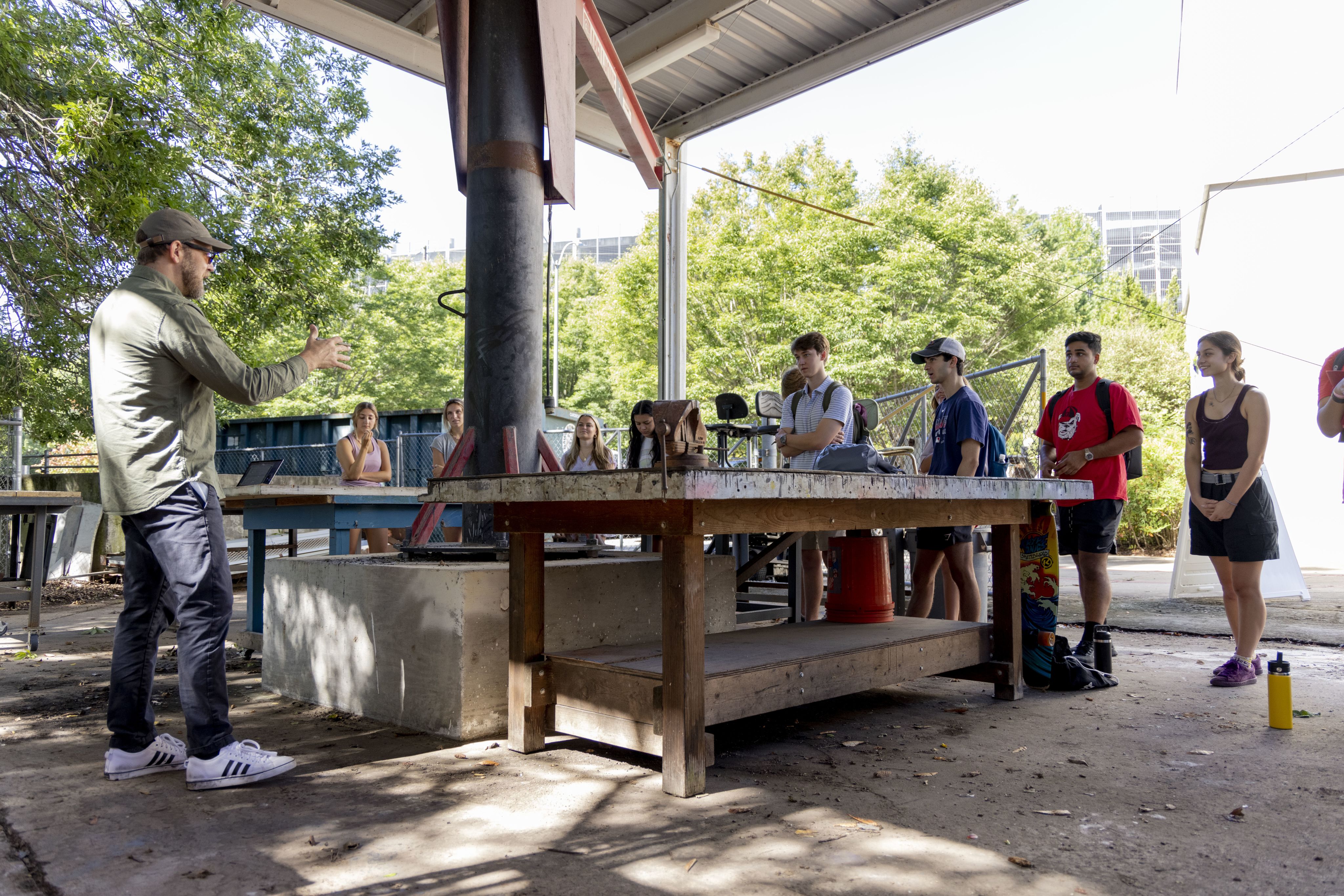
At UGA, we require every undergraduate to take one of our First-Year Odyssey Seminars—small, faculty-led courses that ease the transition to college. Since 2011, more than 75,000 students have enrolled in hundreds of seminars on subjects ranging from viral diseases to robotics. In addition, students must attend at least three arts and cultural events on campus and have access to seminars on exercise, relationships, and overall well-being.


Early Introductions to Global Engagement
It seems counter-intuitive, but one way to get students invested in their on-campus education is to send them abroad early. By creating study away programs for first-year students, we can broaden their horizons to a wider range of opportunities available for their later years.
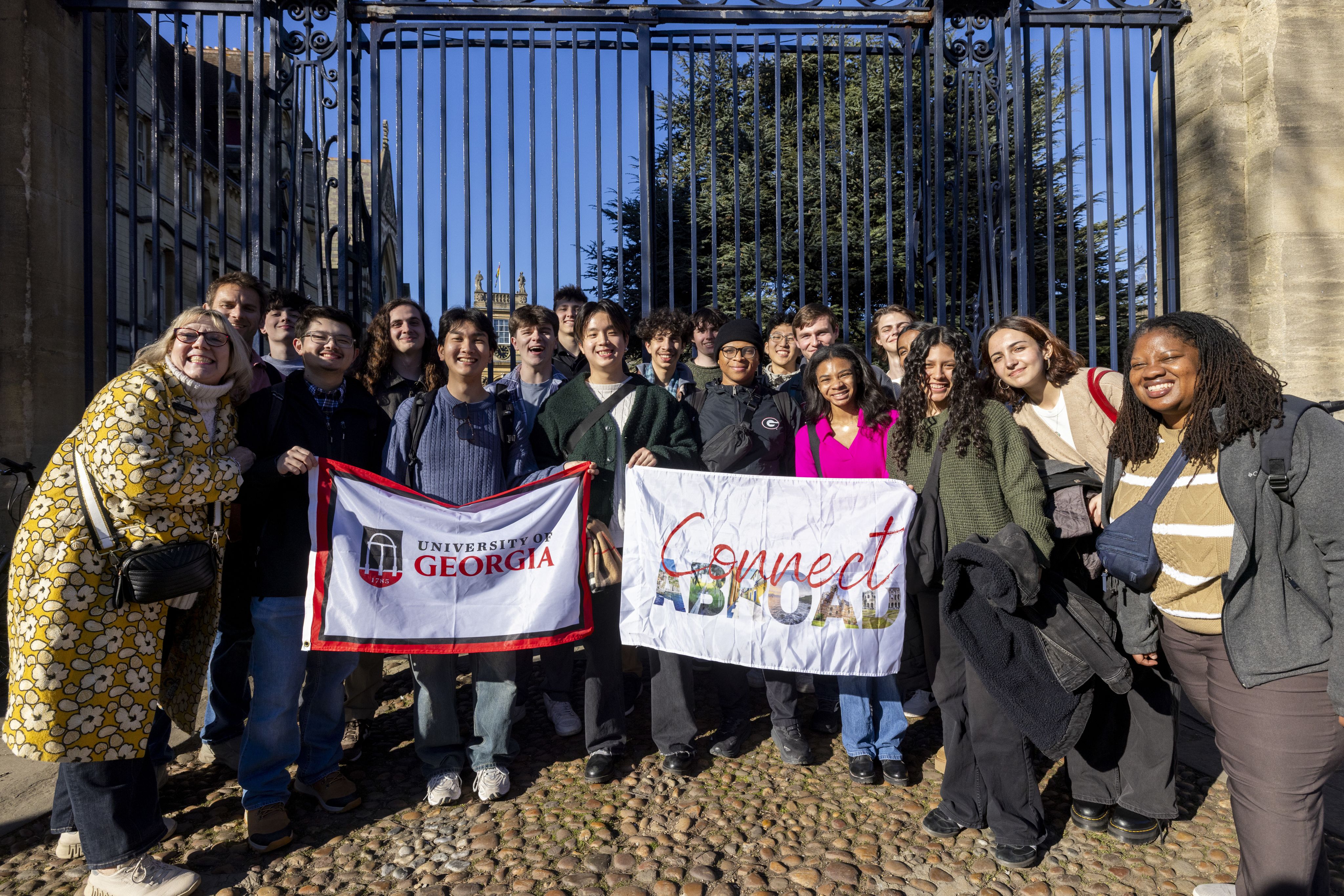
In addition to our traditional semester-long study abroad programs (which rank No. 5 in the nation overall), we now offer a new, highly popular Connect Abroad program that provides short-term study abroad experiences for first-year undergraduates during winter, spring, and summer breaks.
By combining experiential learning and global awareness, Connect Abroad helps students see the global applications of their education from the start, increasing engagement in their long-term academic journey. Students love the program—since it was introduced in 2024, we’ve seen a fourfold increase in first-year study abroad participation, and 77% of Connect Abroad students have already studied abroad again.
Guide the Transfer Experience
To help students begin their academic career on the right footing, every college needs to meet each student where they are.
Compared to traditional first-year students, transfer students can have a harder time settling into a new campus. Building connections is critical; that’s where our Transfer Launch Seminars come in. Similar to the First-Year Odyssey, this program offers one-credit, small-group seminars that help create meaningful connections with faculty and peers right away.
Consider specialized initiatives like these to meet transfer students’ needs or similar initiatives for rural or first-gen students on your campus.
2. Learning Through Experience
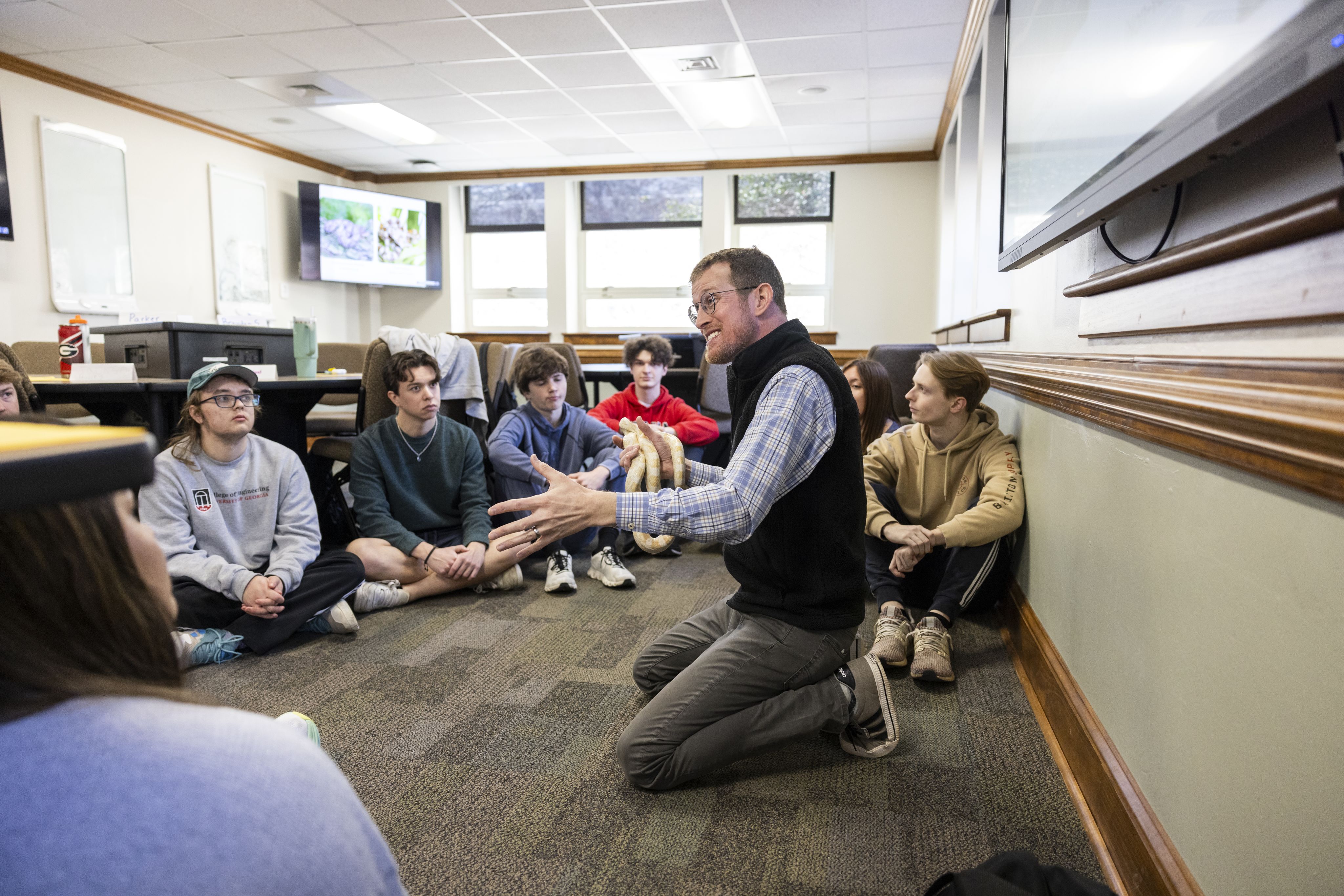
Today’s students want an education that clearly connects to their careers. In addition, they need community more than ever, especially when considering the impacts of the COVID-19 pandemic on their secondary educational experience and the drawbacks of a highly digitized world. At UGA, we address these needs through programs that prioritize in-person community, project-based learning, and real-world experience.

Encourage Peer-Based Learning
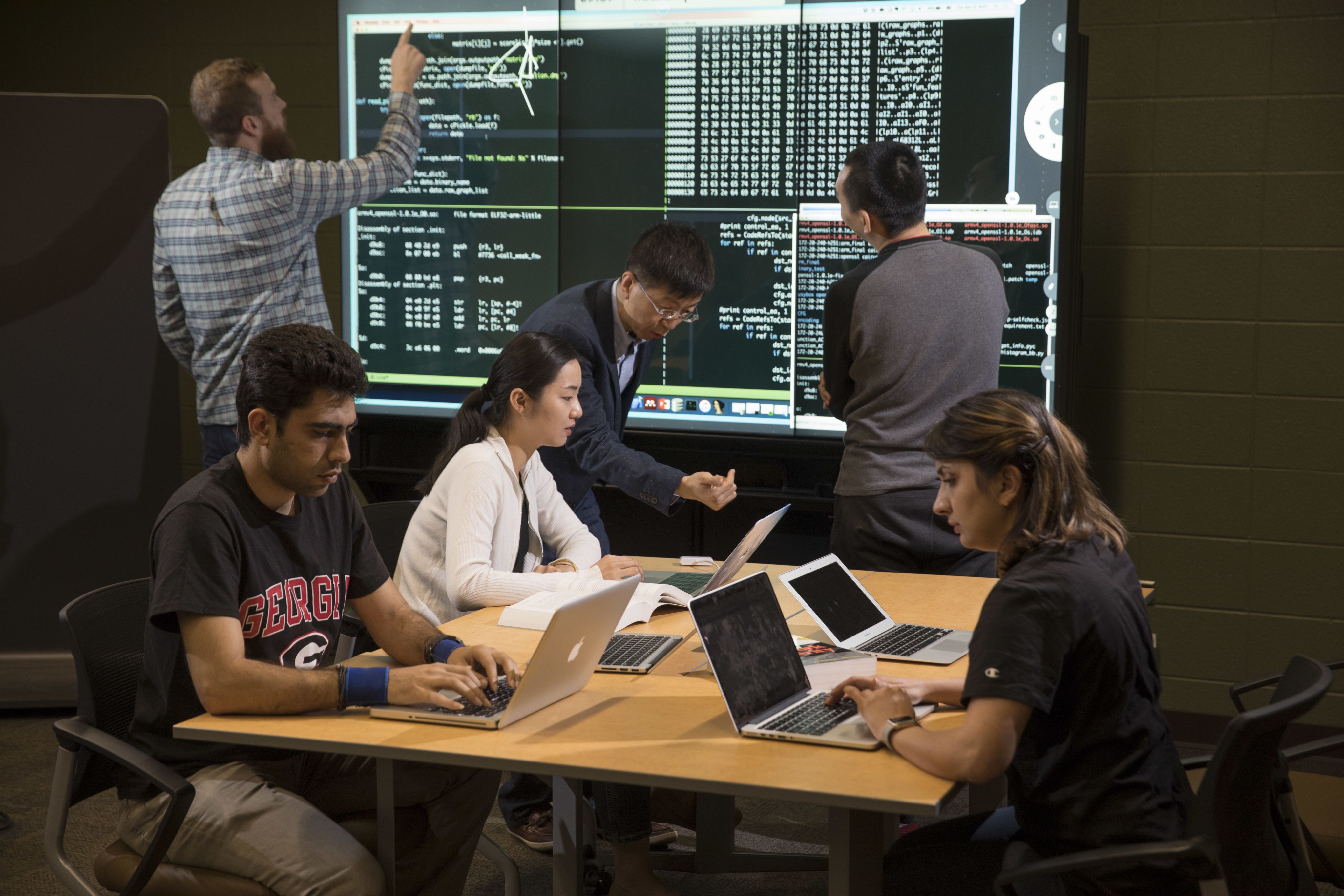
One of the best ways for students to internalize information is to teach it to others. To encourage on-campus community and facilitate this internalization, we train Peer Learning Assistants (PLAs), students who have successfully completed a course and return to support other students.
The PLA program is a cornerstone of our Active Learning Initiative, which emphasizes student engagement and collaboration to reach stronger academic outcomes. PLAs partner with instructors to facilitate discussions in each class, especially those with large enrollments.

Facilitate Early Industry Connections
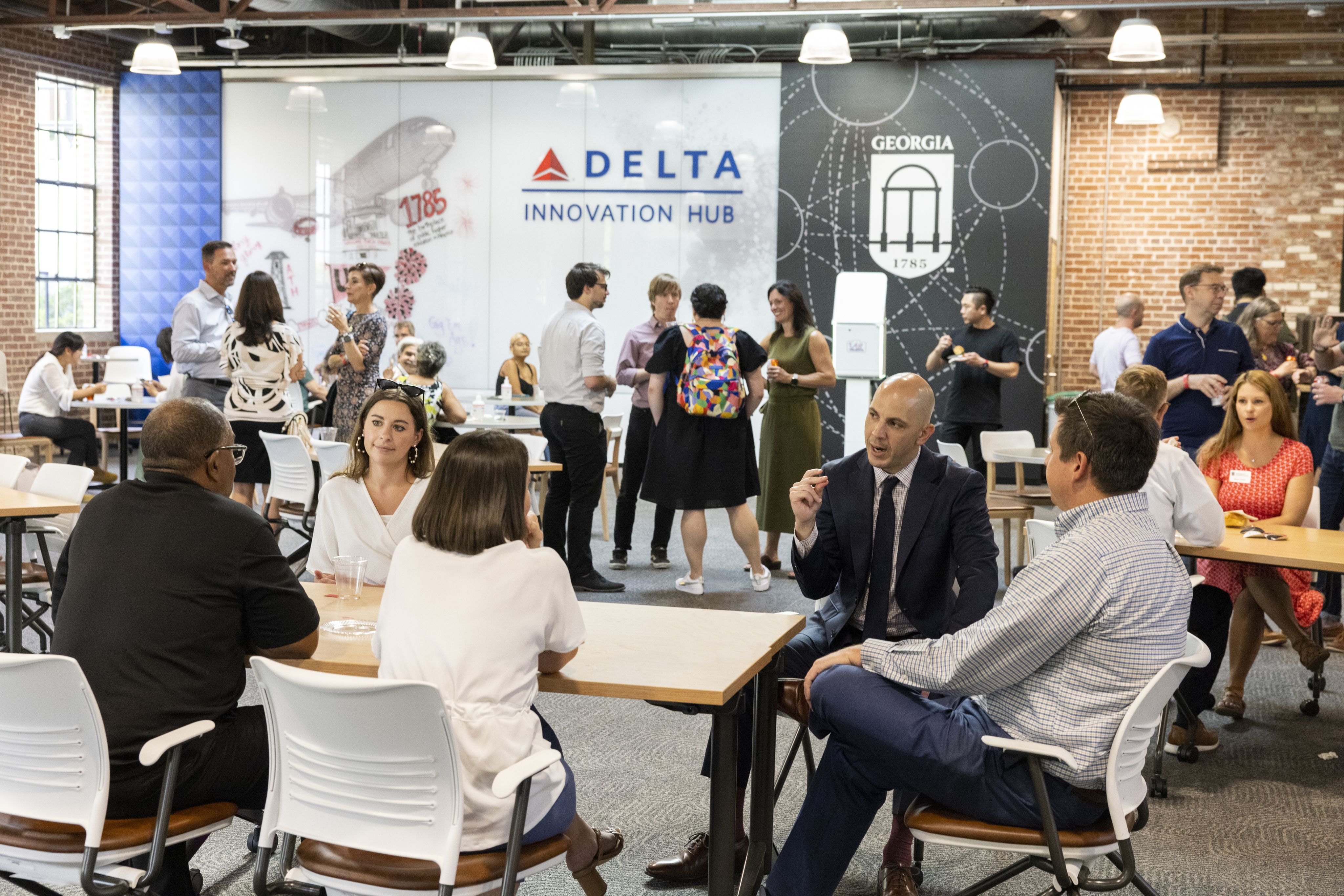
Students hope to develop their knowledge and expand their professional opportunities while at college—why not do both with one program? By partnering with industry leaders, we facilitate project-based learning to achieve that goal.
At UGA, undergraduate and graduate students can become Student Industry Fellows with industry partners like Chick-fil-A and Delta Air Lines. Part of our Innovation District ecosystem, this experiential learning program requires students to complete real-world projects with multidisciplinary teams each semester.
By combining project-based learning, formal executive development, and industry networking opportunities, this program prepares top student talent for industry leadership roles and better professional prospects, with program graduates achieving a 100% job placement rate.
Introduce Undergraduates to Research
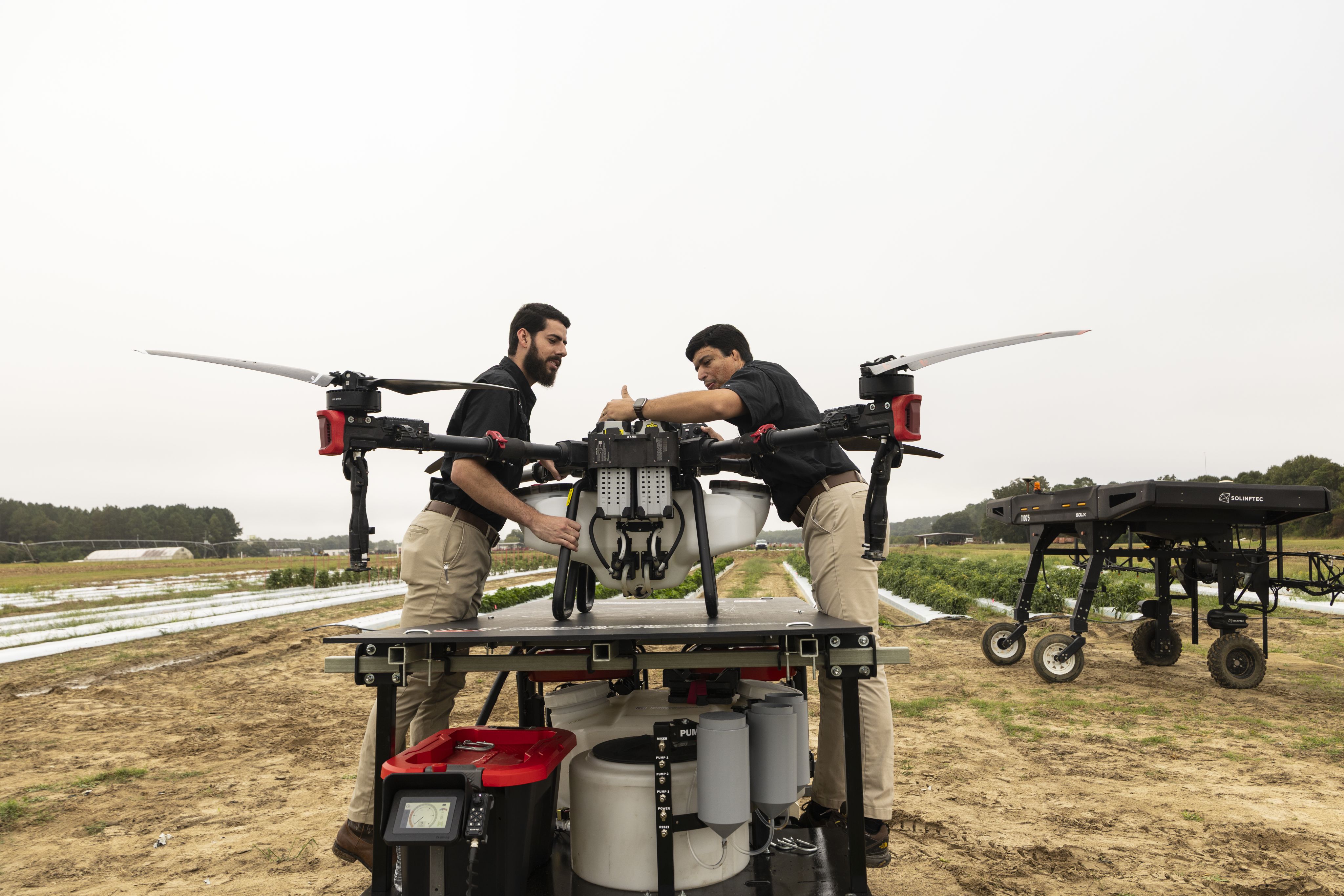
Bringing undergraduates into graduate research environments may seem unconventional, but it can help them engage more deeply with their coursework, communities, and future scholarship.
Through UGA’s Vertically Integrated Projects for Research (VIPR) program, undergraduates build lasting connections, gain collaboration experience, and contribute to impactful discoveries by joining faculty-led research teams alongside graduate students and postdoctoral researchers. Outside that program, undergraduates can also pursue faculty-mentored research through our Center for Undergraduate Research Opportunities as early as their first year.
3. Prepare Students for the Future
Translate Academics to In-Demand Skills
The traditional academic transcript conveys success in class but often fails to show the full breadth of a student’s personal and professional abilities.
To fill this gap, we collaborated with faculty and industry partners to identify the skills students need for post-grad success, resulting in our new Comprehensive Learner Record (CLR). This new tool tracks students’ progress in courses and activities through a digital credential, validating the skills hiring managers demand: critical thinking, analytical thinking, communication, social awareness and responsibility, creativity and innovation, and leadership and collaboration.
We introduce the CLR to incoming students immediately so they can use it to connect each step of their learning journey to future career opportunities.


Robust AI Resources
It’s no secret that AI innovations have transformed the professional world. To prepare students for post-graduation success, they need to build confidence and competence with this rapidly evolving technology.
That’s why we created a central online hub of AI resources like university policies, lists of recommended tools, and information about AI research centers on campus. We have also launched two AI certificates, one in computing and model development and one in business decision-making, and are investing $800,000 in a pilot program to provide thousands of student licenses for premium AI tools like ChatGPT and Gemini Pro.
All together, these initiatives enable students to use AI responsibly for their academic, personal, and professional productivity.
More Than a Buzzword
Student success requires a holistic view of student growth and achievement. At UGA, championing that success led to the establishment of these programs for each phase of a student’s journey. Where will it lead you?

This content was paid for and created by the University of Georgia. The editorial staff of The Chronicle had no role in its preparation. Find out more about paid content.
 Built with Shorthand