


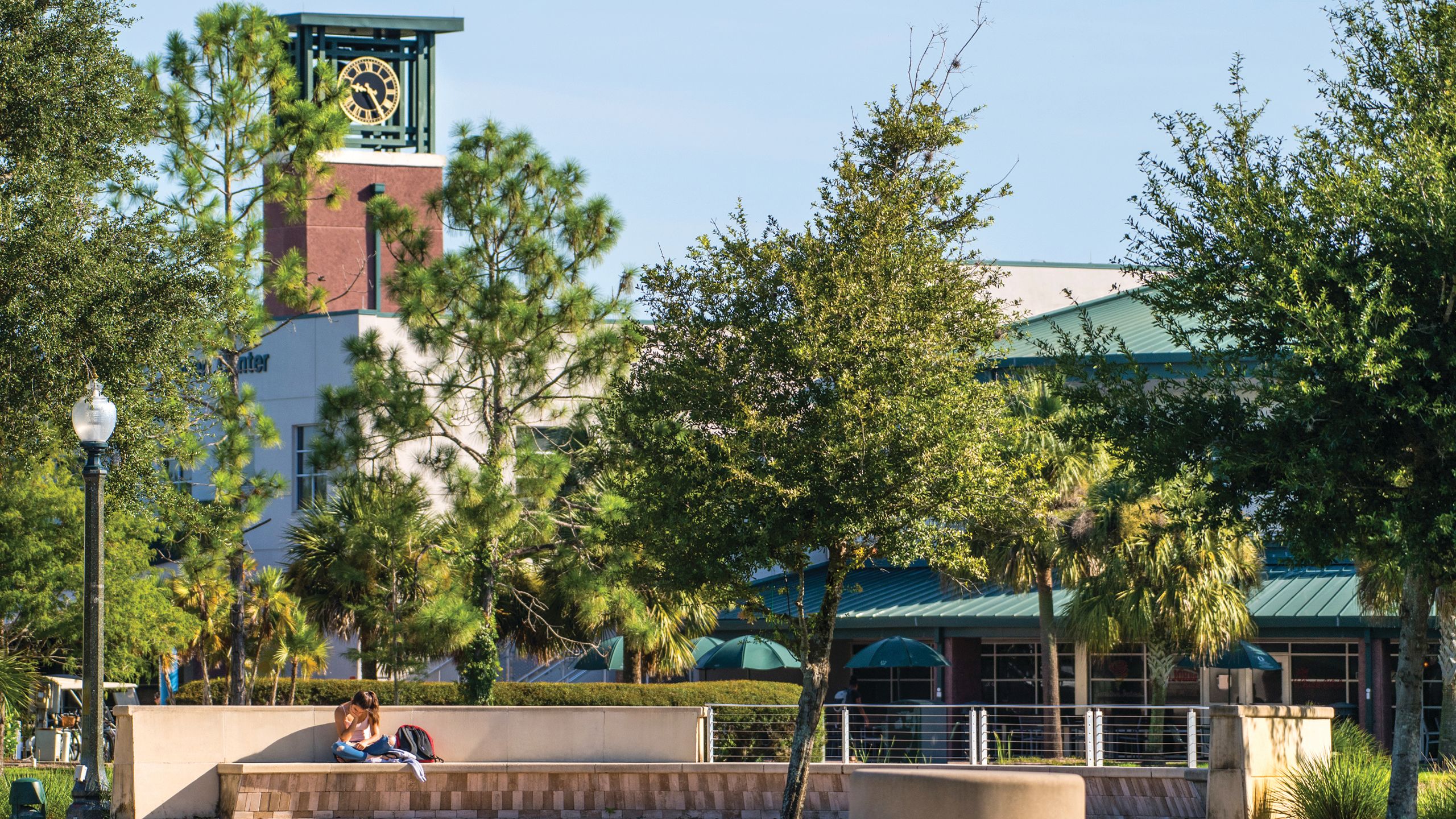
Built to Think Bigger: Inside FGCU’s School of Entrepreneurship
From business partnerships to high-survival student startups, FGCU fuels innovation, community resilience and economic mobility.

Built to Think Bigger: Inside FGCU’s School of Entrepreneurship
From business partnerships to high-survival student startups, FGCU fuels innovation, community resilience and economic mobility.

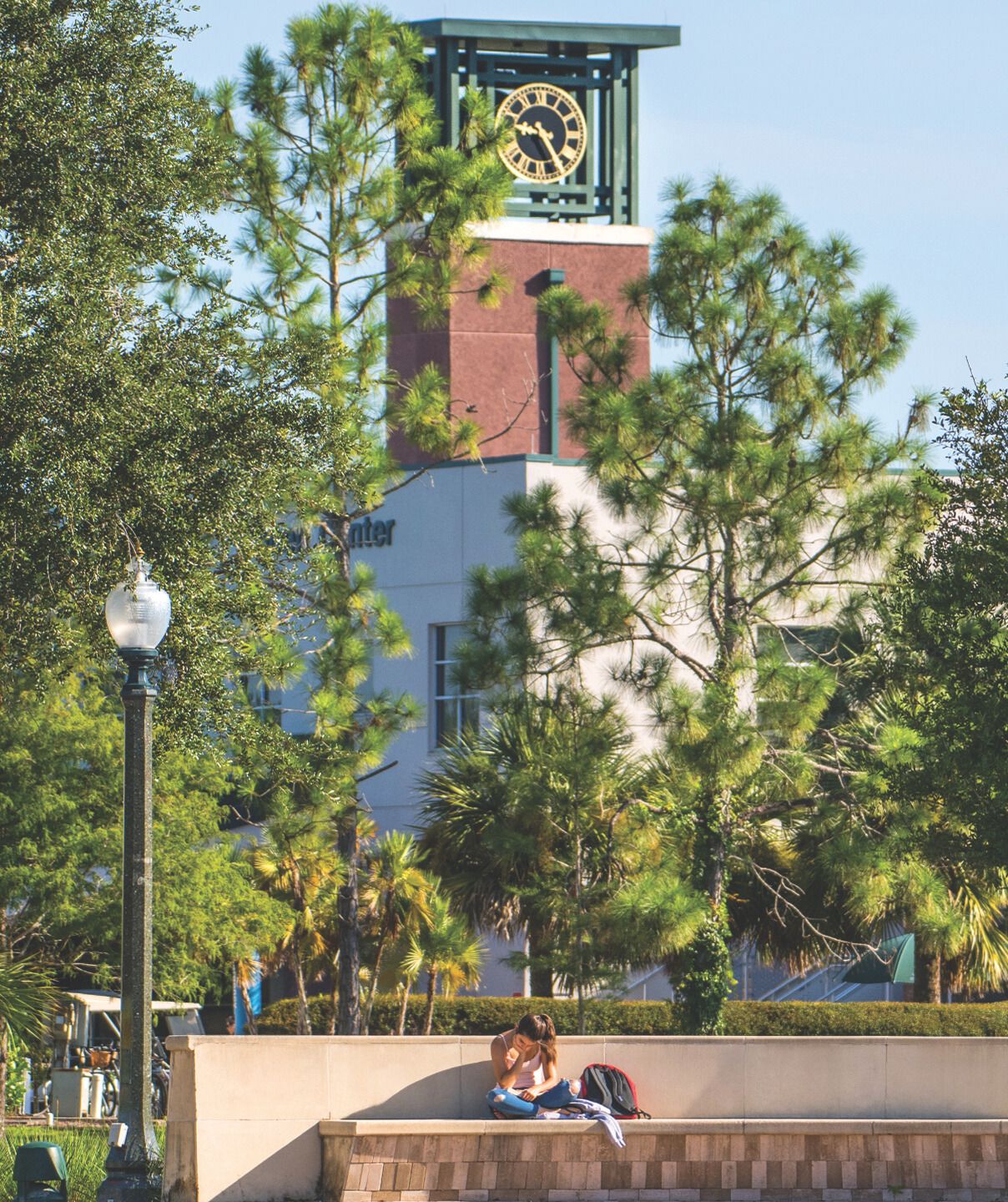
At a time when higher education is being asked to prove its value in new ways, the Daveler & Kauanui School of Entrepreneurship at Florida Gulf Coast University in Fort Myers stands out as a model for what a university can build when it fully commits to innovation.
“It’s not a department. It’s not a center. It’s a school. It’s one of the major units of this campus. Everybody sees this as an integral part of what FGCU is,” said Bill McDowell, Mark Ain Endowed Chair of Entrepreneurship and the entrepreneurship school’s dean.
Since fall 2017, enrollment in the bachelor’s degree program has soared 710%, with 648 entrepreneurship majors and 107 minors taking classes this semester.
From collaborative projects boosting community resources to funding student startups with staying power, FGCU’s School of Entrepreneurship shows how higher education can fuel regional resilience and economic mobility. By guiding students on the path to turning ideas into impactful ventures, the school also supports FGCU’s role as a regional comprehensive university with a strategic plan that elevates innovation, community partnership and student success.

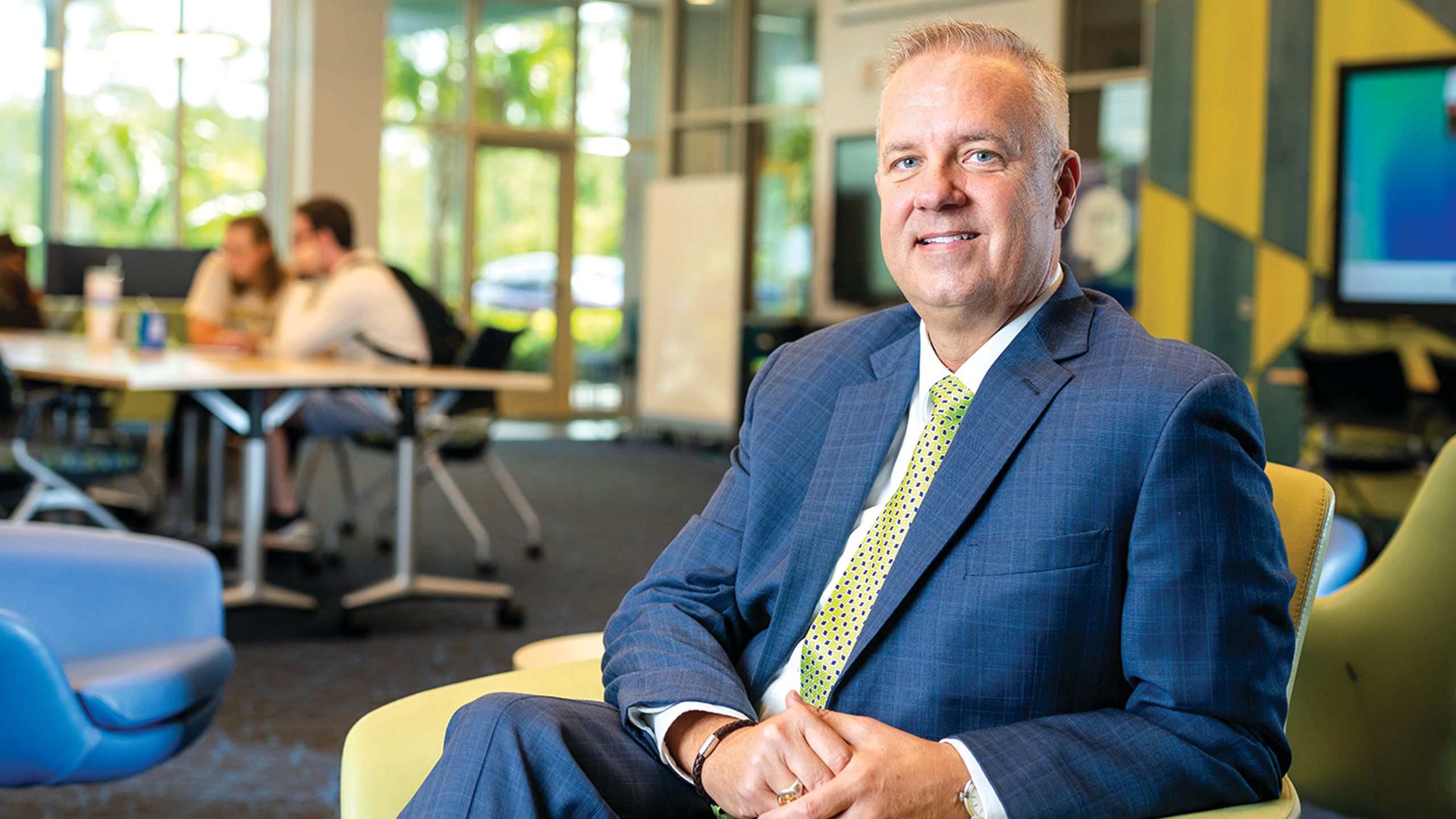
“Everybody sees this as an integral part of what FGCU is.”

A Boost for Veterans to Succeed in Business
The Veterans Florida Entrepreneurship Program at FGCU supports area service members transitioning from the armed forces into civilian careers. The award-winning program, now part of FGCU’s Rist Family Foundation Institute for Entrepreneurship, helps veterans thrive personally, succeed in business and contribute to the local economy.
One of the program’s greatest strengths is its comprehensive, hands-on support — including access to equity-free seed funding. The program has awarded more than $1 million to veteran-owned businesses, made possible by generous donors such as the Richard M. Schulze Family Foundation. This funding helps participants launch or scale their ventures and invest directly in their growth.
Guidance and Seed Money Help Student Ventures Soar
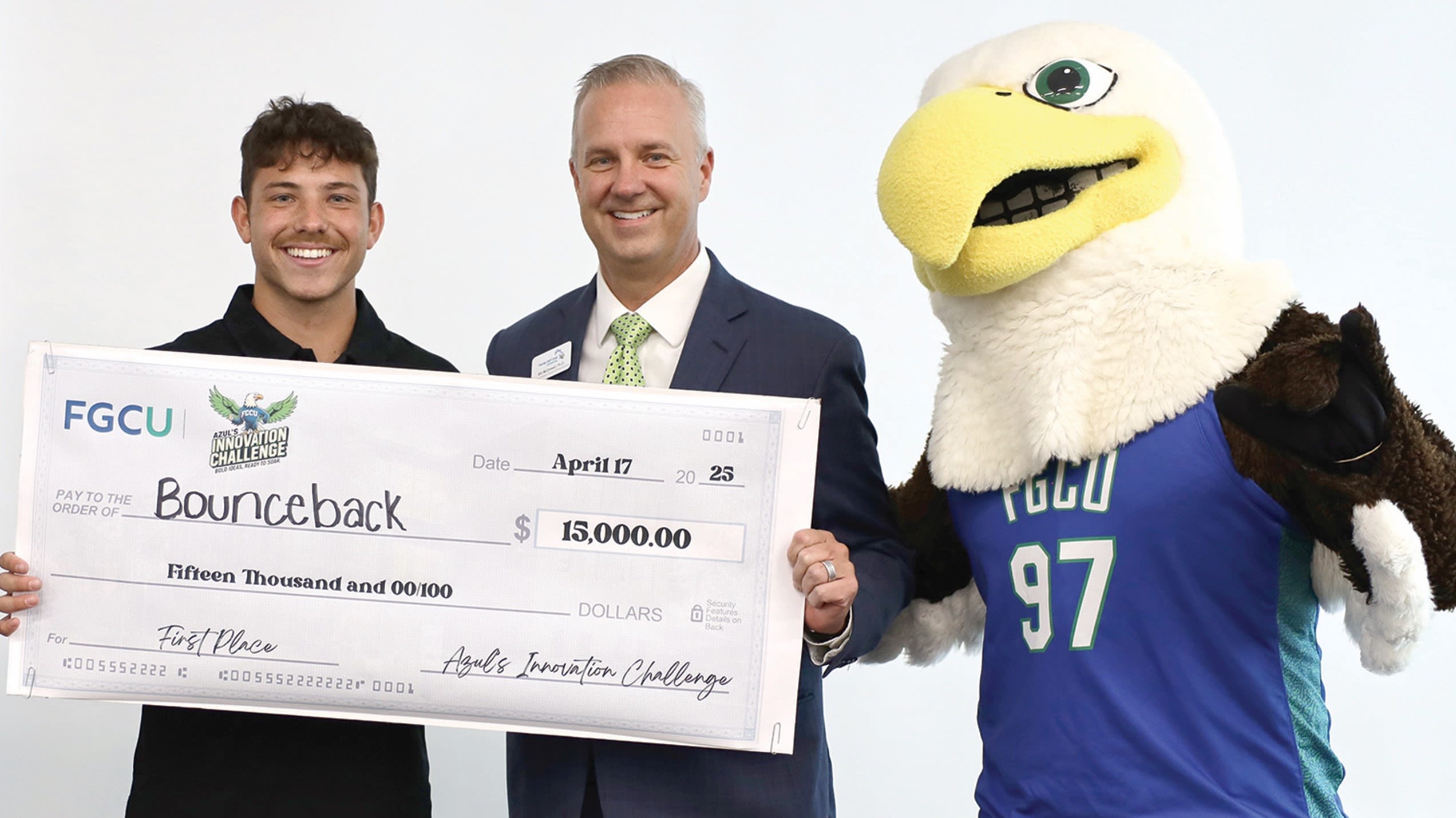
FGCU’s Runway Program nurtures entrepreneurial spirit as a student and alumni business incubator. Participants develop business ideas, receive feedback and learn about manufacturing, distribution, financials and more. Each semester ends with a pitch event where they can compete for equity-free donor-funded awards. More than $1 million has been awarded in 10 years.
Businesses from the program have achieved relatively high success rates compared to national averages, according to Scott Kelly, program manager. “We have between 50 to 80 businesses launch in the Runway Program every year, and of those, we have over a 70% survival rate over a five-year period,” he said. “The average is that 10% of businesses will survive that startup phase.”


Technology Plus Partnership Yields Smarter Civic Planning
Mark Ain, the late founder and former CEO of Kronos Incorporated, believed strongly in the Daveler & Kauanui School of Entrepreneurship, donating $2 million to create the Ain Technology & Design Hub. Through student-driven projects like the Sanibel Solutions dashboard, the hub helps FGCU elevate community partnerships.
After hurricanes devastated Southwest Florida in 2022 and 2024, post-recovery data for Sanibel Island was scattered across multiple sources. To solve this, FGCU faculty led a team of six students in creating Sanibel Solutions, an AI-powered dashboard that tracks the island’s recovery based on verified data. It provides civic leaders, residents and businesses with information and analysis on key indicators to support strategic planning for housing, infrastructure, tourism and the economy.
Eric Pfeifer, a broker and owner of Pfeifer Realty Group on Sanibel, believes the community could not have made the progress it has without the Ain Hub students. “We feel they acknowledged that we are all one big community.”
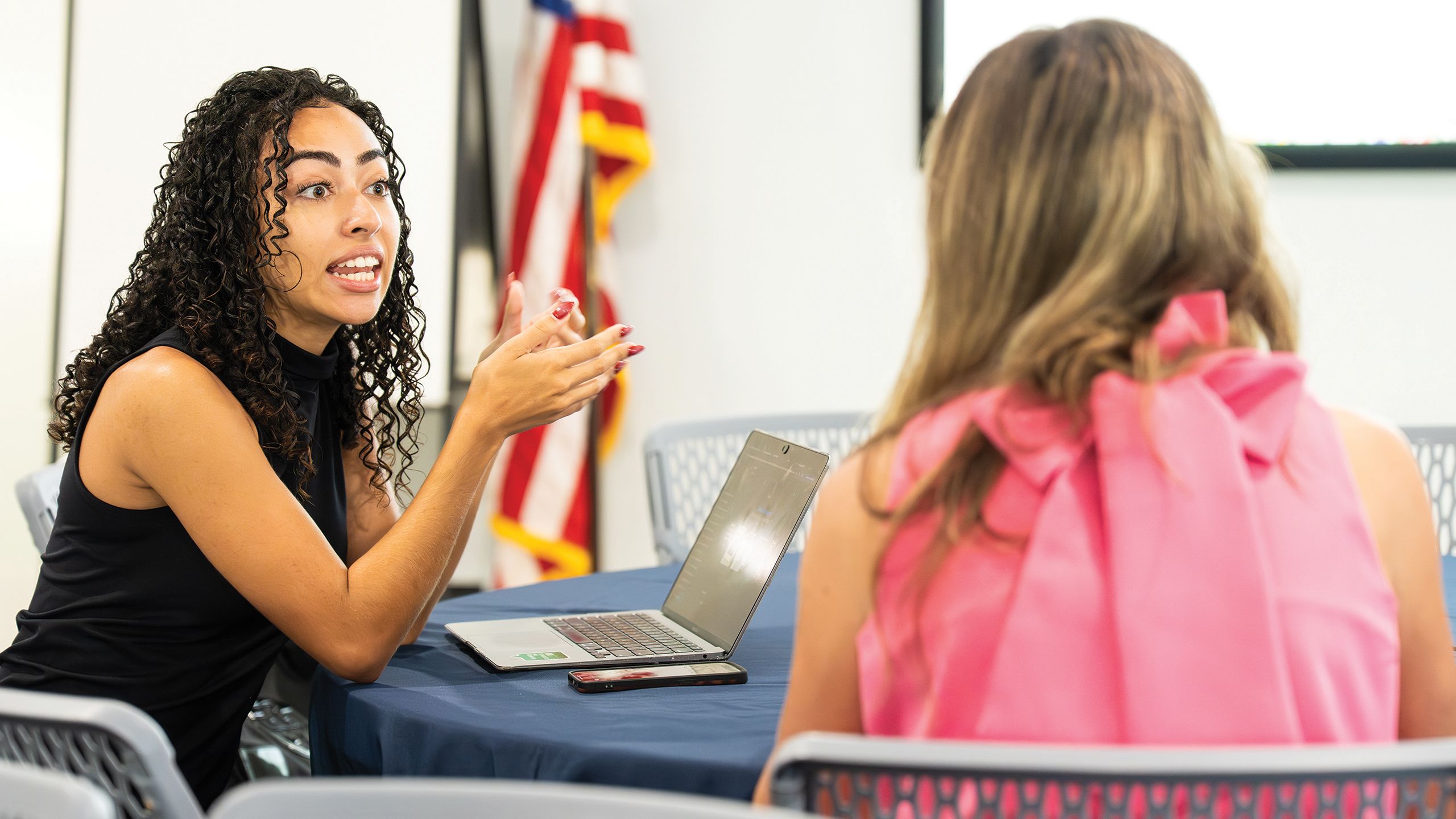
“One big community” and one university built to think bigger: Florida Gulf Coast University. Working together, we prove that higher education fuels innovation, community resilience and economic mobility.
Learn more at fgcu.edu
Technology Plus Partnership Yields Smarter Civic Planning
Mark Ain, the late founder and former CEO of Kronos Incorporated, believed strongly in the Daveler & Kauanui School of Entrepreneurship, donating $2 million to create the Ain Technology & Design Hub. Through student-driven projects like the Sanibel Solutions dashboard, the hub helps FGCU elevate community partnerships.
After hurricanes devastated Southwest Florida in 2022 and 2024, post-recovery data for Sanibel Island was scattered across multiple sources. To solve this, FGCU faculty led a team of six students in creating Sanibel Solutions, an AI-powered dashboard that tracks the island’s recovery based on verified data. It provides civic leaders, residents and businesses with information and analysis on key indicators to support strategic planning for housing, infrastructure, tourism and the economy.
Eric Pfeifer, a broker and owner of Pfeifer Realty Group on Sanibel, believes the community could not have made the progress it has without the Ain Hub students. “We feel they acknowledged that we are all one big community.”
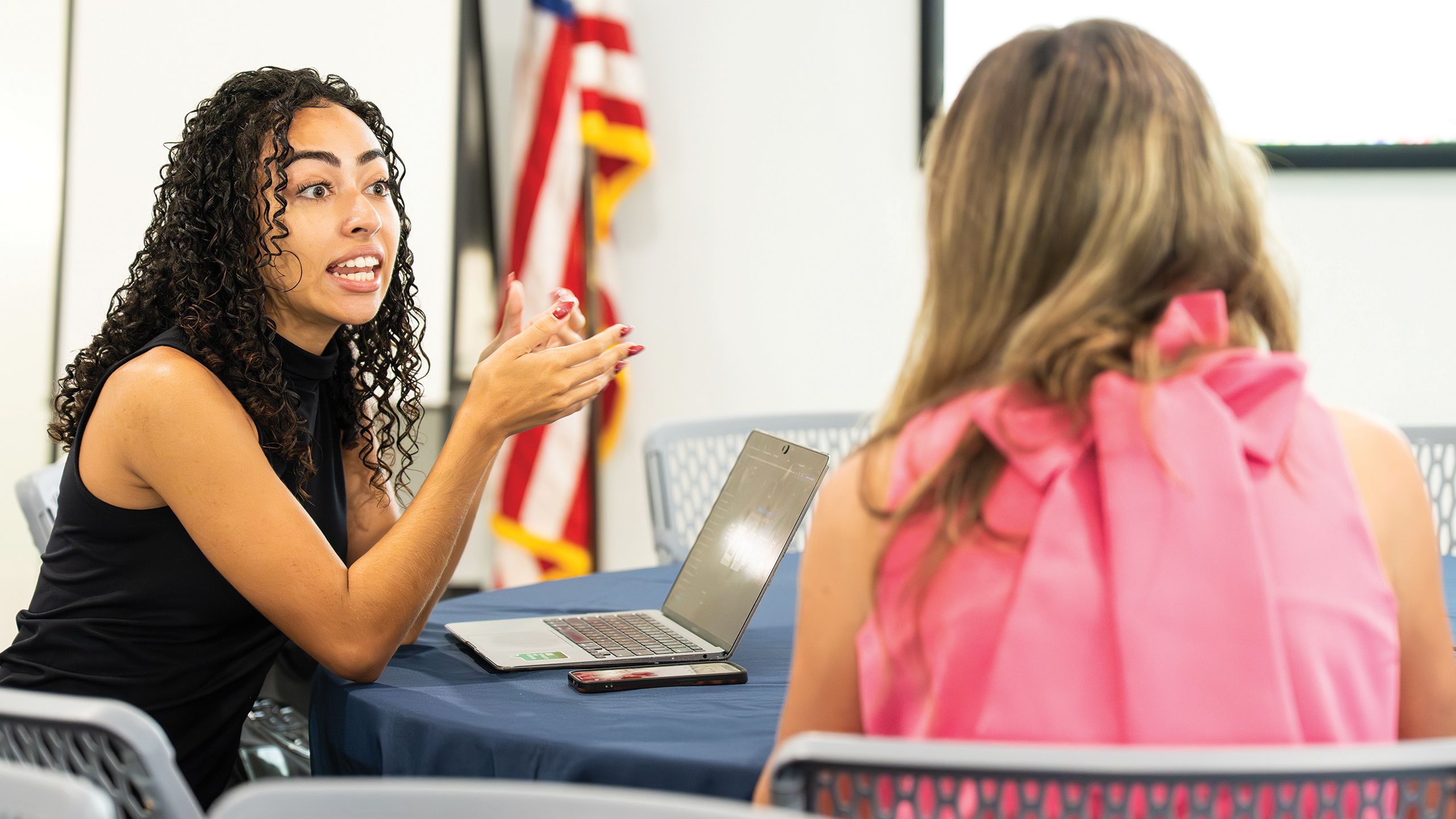
“One big community” and one university built to think bigger: Florida Gulf Coast University. Working together, we prove that higher education fuels innovation, community resilience and economic mobility.
Learn more at fgcu.edu

This content was paid for and created by Florida Gulf Coast University. The editorial staff of The Chronicle had no role in its preparation. Find out more about paid content.
 Built with Shorthand